Managing plant and airflow noise before it turns into programme risk, rework, and reputational pressure
Mechanical contractors do not set out to become noise specialists. Yet time and again, when noise complaints surface, the call comes back to the mechanical team.
It might be a rooftop unit that seemed fine on commissioning. A plantroom that met airflow targets, but now carries further than expected. A discharge path that transfers noise across a boundary.
On paper, everything worked. On-site, it’s a different story.
For contractors across Australia, HVAC noise is not always part of the original scope. But it often becomes their responsibility.
Why noise complaints land with the mechanical contractor
HVAC systems create movement. Movement creates vibration. Vibration travels.
Noise can escape through:
- Intake and discharge openings
- External louvres
- Lightweight plantroom walls
- Duct penetrations, or
- Structural elements that carry vibration further than anticipated.
When neighbours complain, when occupants cannot concentrate, or when workers raise concerns, the mechanical contractor is usually the first point of accountability.
That accountability carries real implications for Health, Safety, Productivity and reputation.
Rooftop plant and boundary pressure
External plant is one of the most common triggers for complaints. A standard blade louvre may provide weather protection and airflow, but it does little to manage breakout noise. And once plant is installed, retrofitting acoustic control can be costly and disruptive.
Planning conditions and EPA requirements are not abstract risks. They can result in:
- Project delays
- Further acoustic reporting
- Variations and rework
- Client dissatisfaction
Addressing noise paths before installation is significantly more predictable than correcting them later.
Plant rooms that look compliant but are not
Internal plant rooms can create a different type of issue. Mechanical equipment may meet performance expectations within the room itself, yet breakout noise travels through walls or ceiling cavities into offices, production areas, or adjacent tenancies.
This affects more than just comfort. It can influence:
- Worker concentration
- Communication on site, and even
- The perceived quality of the build.
When complaints arise after handover, the fix often falls outside the original mechanical allowance.
Where HVAC noise control makes the difference
There are two common intervention points that change outcomes:
1) Managing airflow noise at intake and discharge
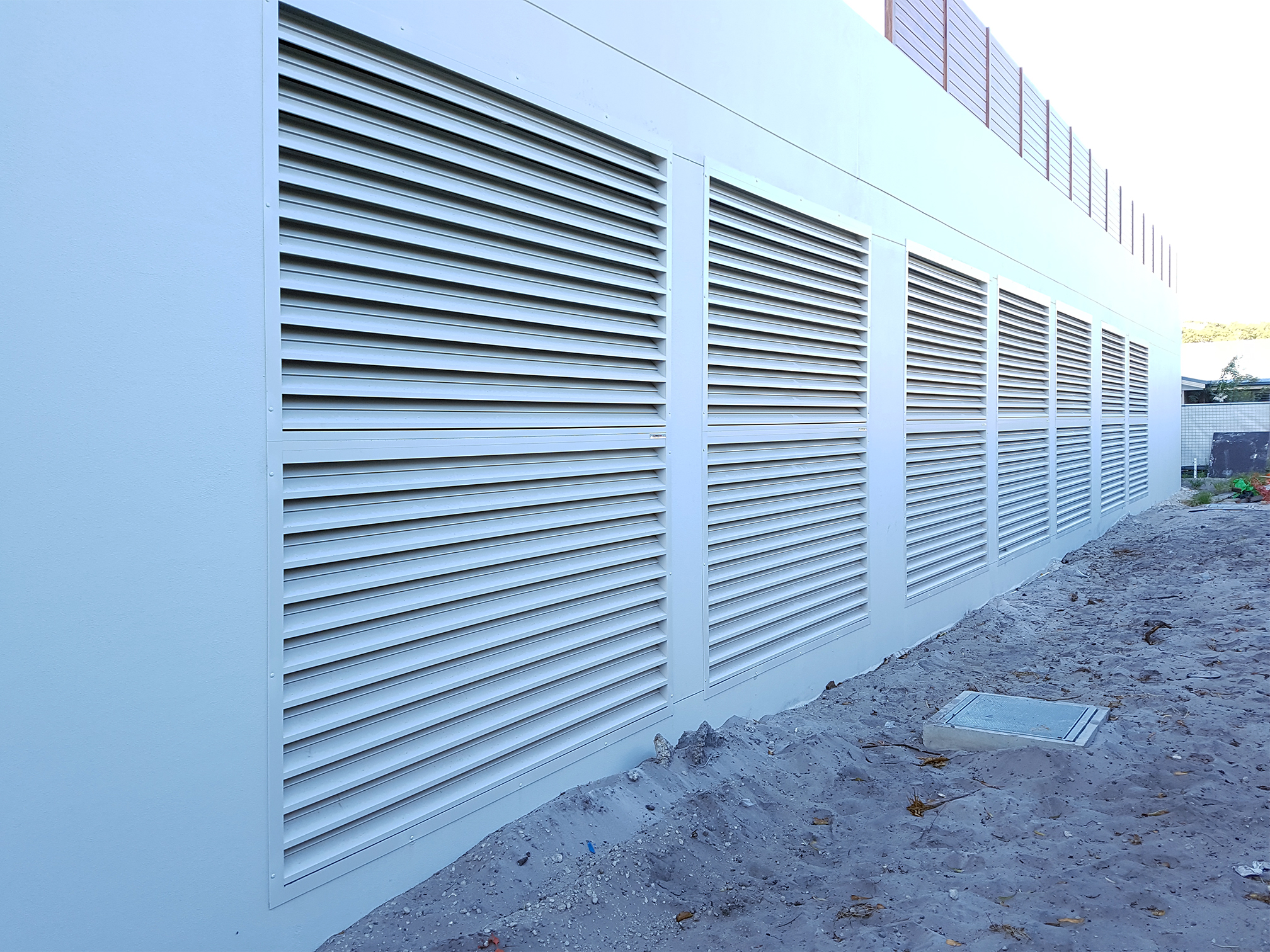
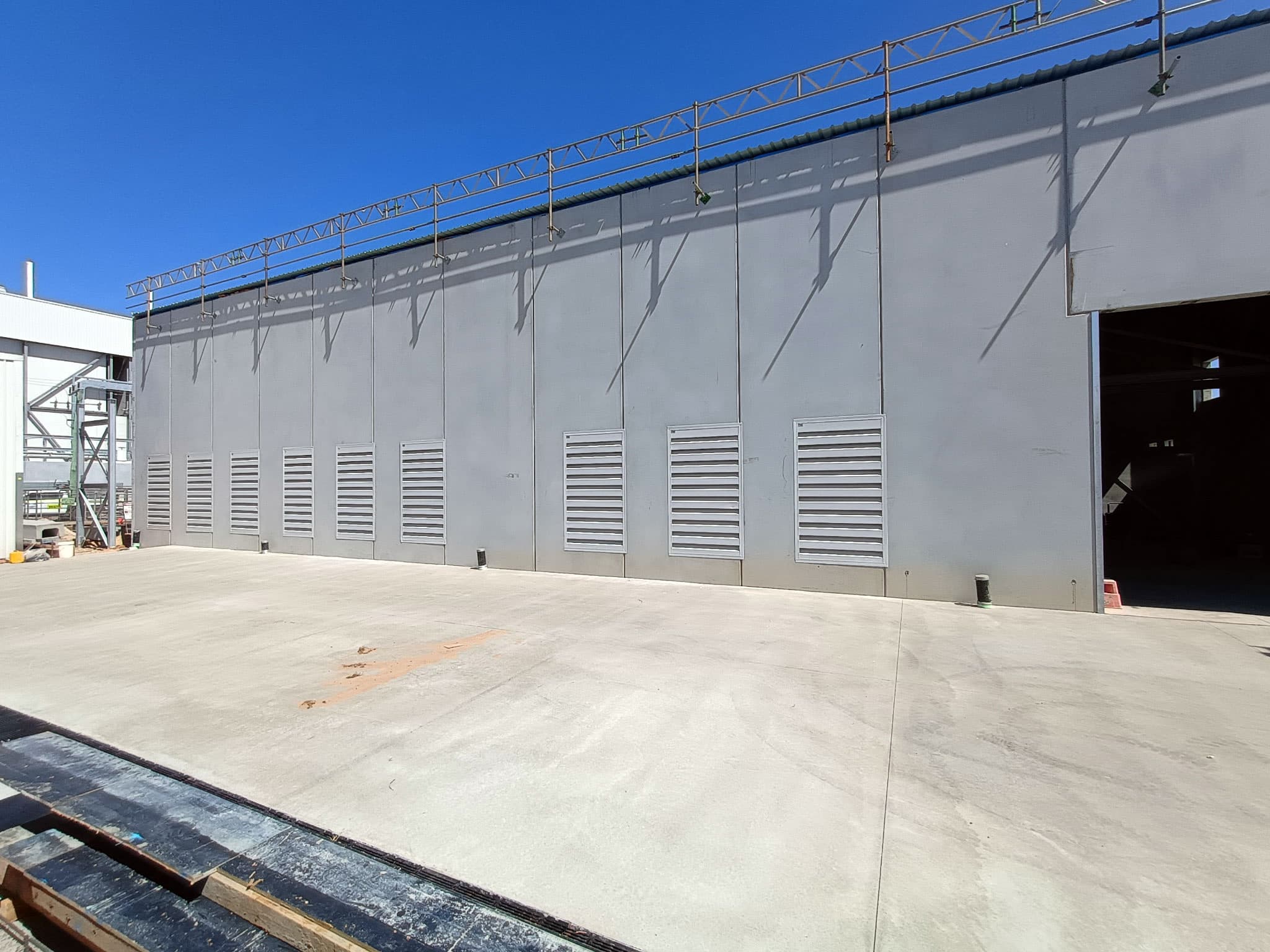
Sonic Series acoustic louvres are designed to manage airflow noise without compromising necessary ventilation.
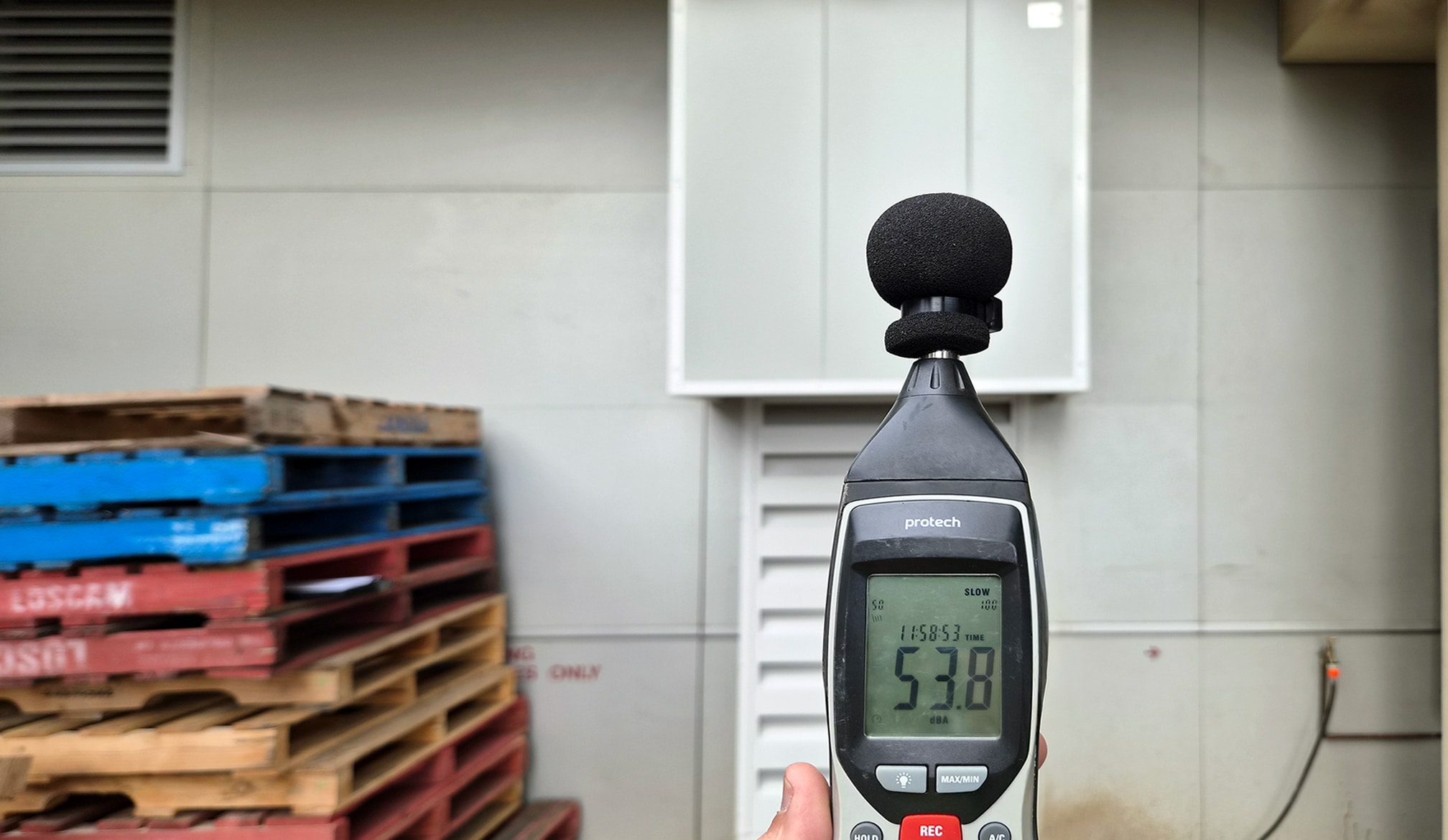
Instead of treating louvres as architectural trim, they are treated as engineered components within the HVAC system. Tested acoustic data provides confidence during specification and sign-off.
2) Controlling breakout from plant rooms
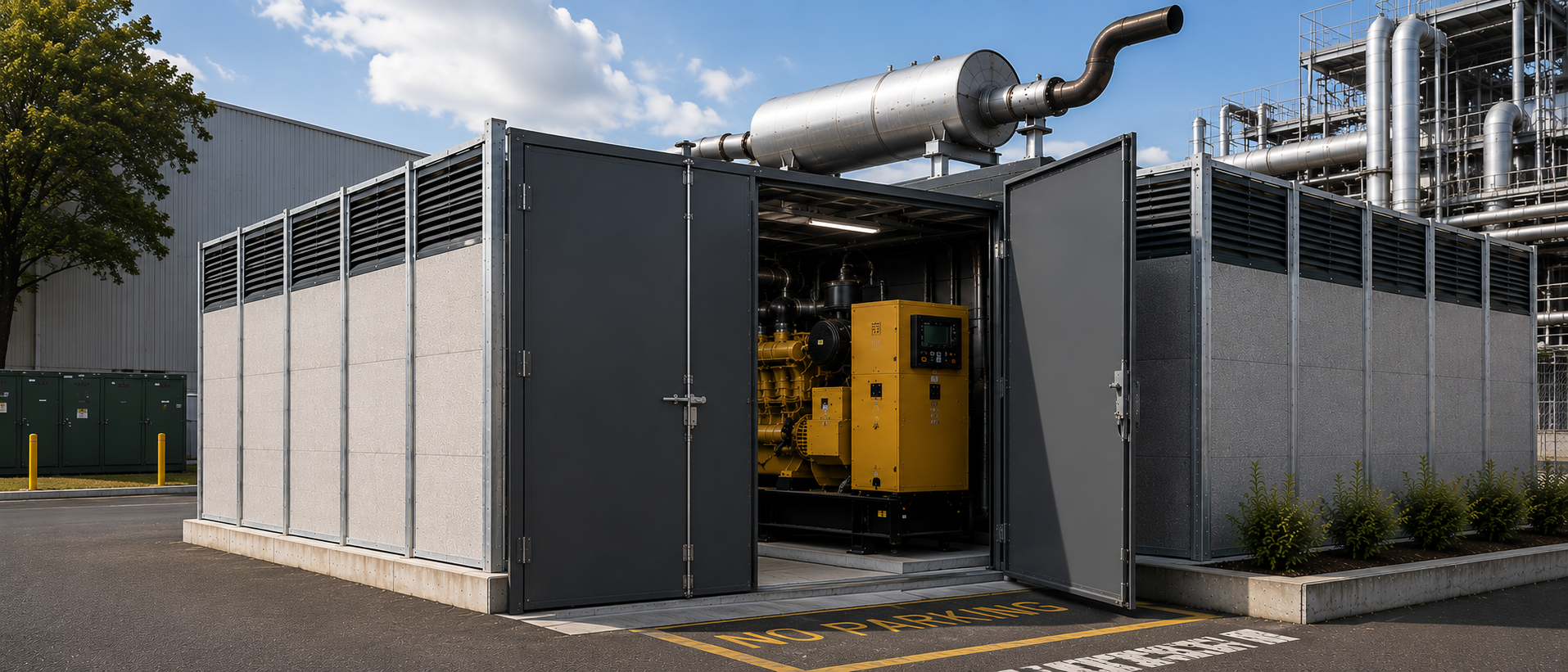
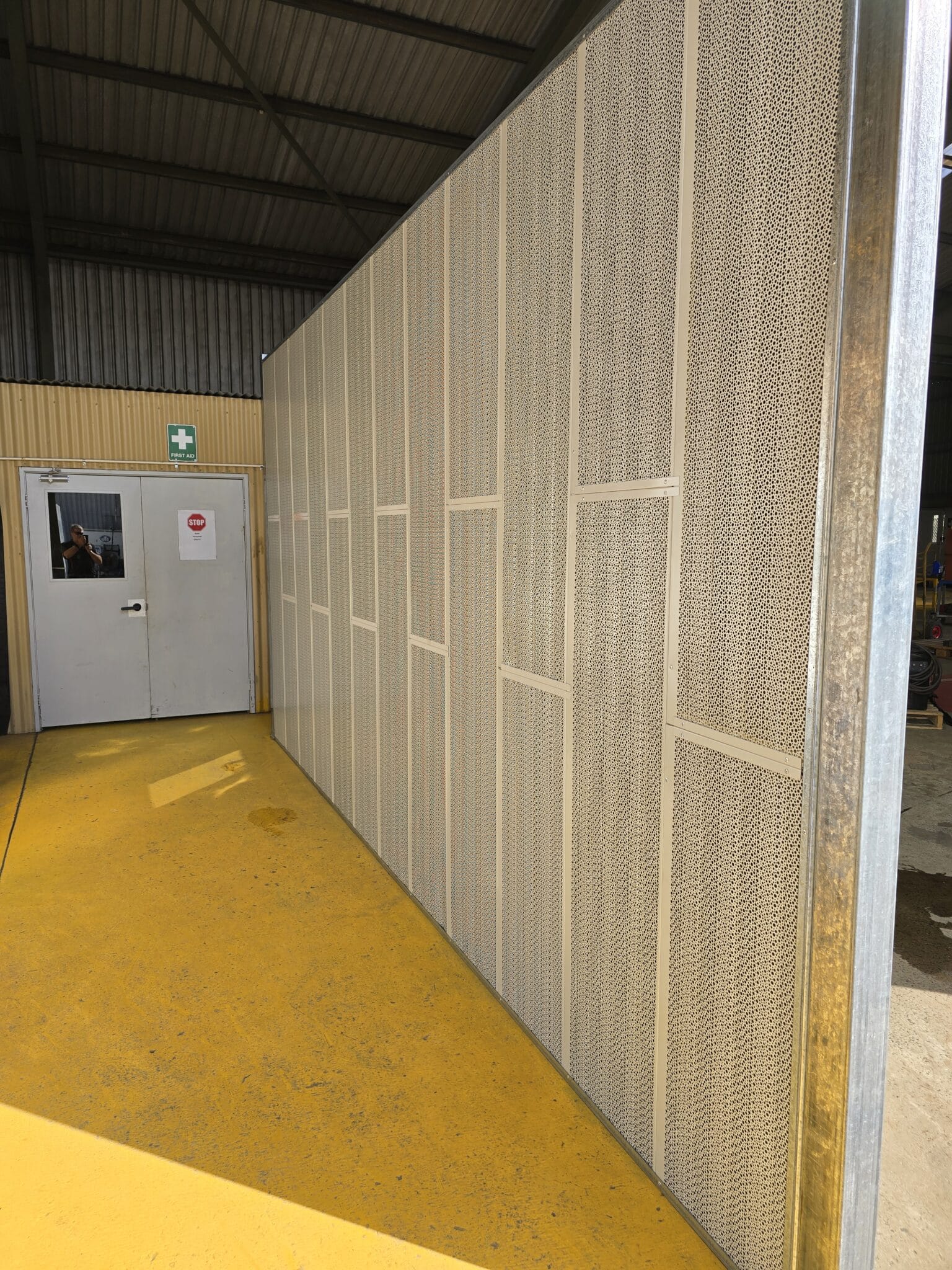
Sonic System acoustic modular panels provide barrier and enclosure control for internal and external applications.
They are used for:
- Plantroom walls
- External screening
- Rooftop barriers
- Equipment enclosures
The goal is simple: reduce transfer at the source and along the path before noise complaints arise.
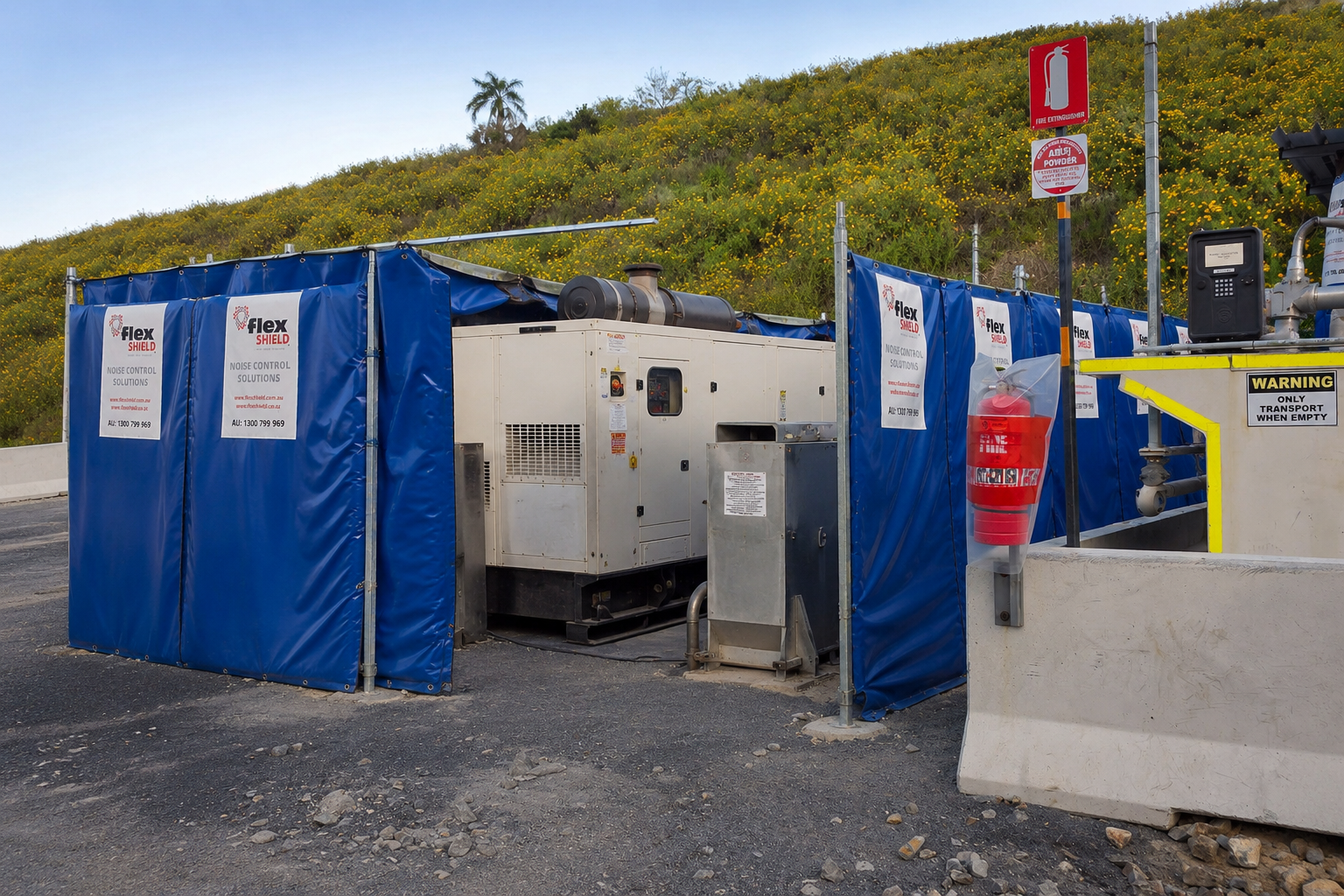
Temporary noise control on live sites
Refurbishments and staged upgrades present additional pressure to mechanical contractors. Live environments mean neighbours, tenants, and workers are present during work. Temporary noise control systems can help manage short-term exposure while permanent systems are installed.
For site managers, this supports smoother delivery and fewer interruptions.
Why early planning for noise control protects everyone
Mechanical contractors are judged on outcomes, not intentions. Bringing noise control into the discussion during design and pre-install review allows:
- Clear understanding of noise paths
- Integration with plant layout
- Alignment with acoustic conditions
- Reduced risk of post-install rectification
It also supports predictable delivery for business owners and directors who are protecting client relationships.
Talk to Flexshield for HVAC noise control solutions
Flexshield Group works alongside mechanical contractors across Australia to provide engineered systems backed by tested performance data. Our focus is not on theory. It’s on practical risk management.
Noise need not become a recurring issue on HVAC projects. With the right systems specified early, it becomes another controlled variable within the build.
We’ll make sure it’s built right from the start. Contact Flexshield on 1300 799 969 or get in touch online.
Proudly built by Flexshield Group
Designed to perform. Built to last.