Why AI cooling at scale demands planning that protects compliance, reputation and performance
Artificial Intelligence is accelerating the scale of data centre cooling across Australia. Higher rack densities. Larger fan arrays. Redundancy stacking. Continuous 24-hour operation. What once behaved like commercial HVAC now operates at a completely different intensity.
And with that shift comes a different level of acoustic exposure.
In AI data centre environments, plant noise is not a comfort issue. It’s a compliance and operational risk.
AI-scale cooling changes the noise control equation
Traditional commercial HVAC assumptions don’t always translate to hyperscale cooling. AI-driven facilities introduce:
- Higher air volumes
- Larger discharge fans
- Multiple redundant systems operating concurrently
- Continuous runtime, and
- Tighter planning scrutiny.
When airflow increases, acoustic output increases. When redundancy increases, cumulative discharge levels rise. And when the operation is continuous, exposure never drops.
That’s why in AI data centre environments, noise control cannot be treated as a secondary design consideration.
A 24-hour operation means 24-hour exposure
Unlike retail or office buildings, AI data centres do not power down. That means:
- Night-time limits matter
- Background conditions are lower after hours
- Cumulative output from multiple plant arrays becomes more noticeable, and
- Neighbour scrutiny intensifies.
And once complaints escalate, they are rarely minor matters. The outcome can involve compliance notices, legal review, and reputational impact that extends beyond the project team.
For mechanical contractors and developers, that level of exposure is not acceptable.
Standard louvres are not acoustic devices
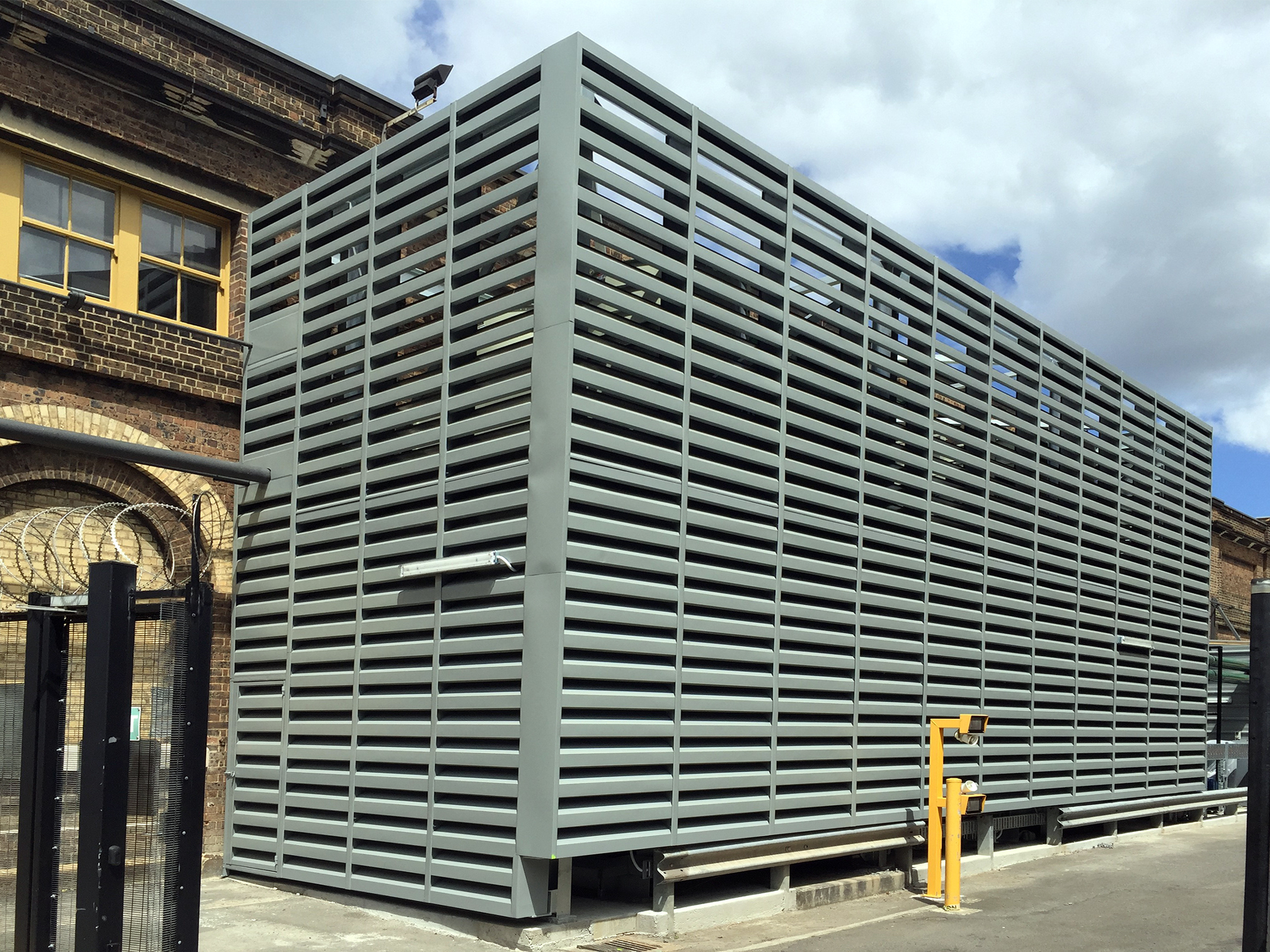
Weather louvres manage airflow and weather protection. They do not inherently provide meaningful acoustic attenuation at scale.
In AI data centre cooling applications, intake and discharge paths often require engineered acoustic louvres designed to:
- Reduce breakout noise
- Manage discharge direction
- Control transmission through plantroom façades, and
- Balance acoustic performance with static pressure limits.
If airflow performance is compromised, cooling efficiency suffers. If acoustic performance is underestimated, compliance risk increases. Both must be addressed together.
Where noise actually escapes in data centres
In high-density cooling environments, the common exposure points include:
- Discharge paths directed toward neighbouring properties
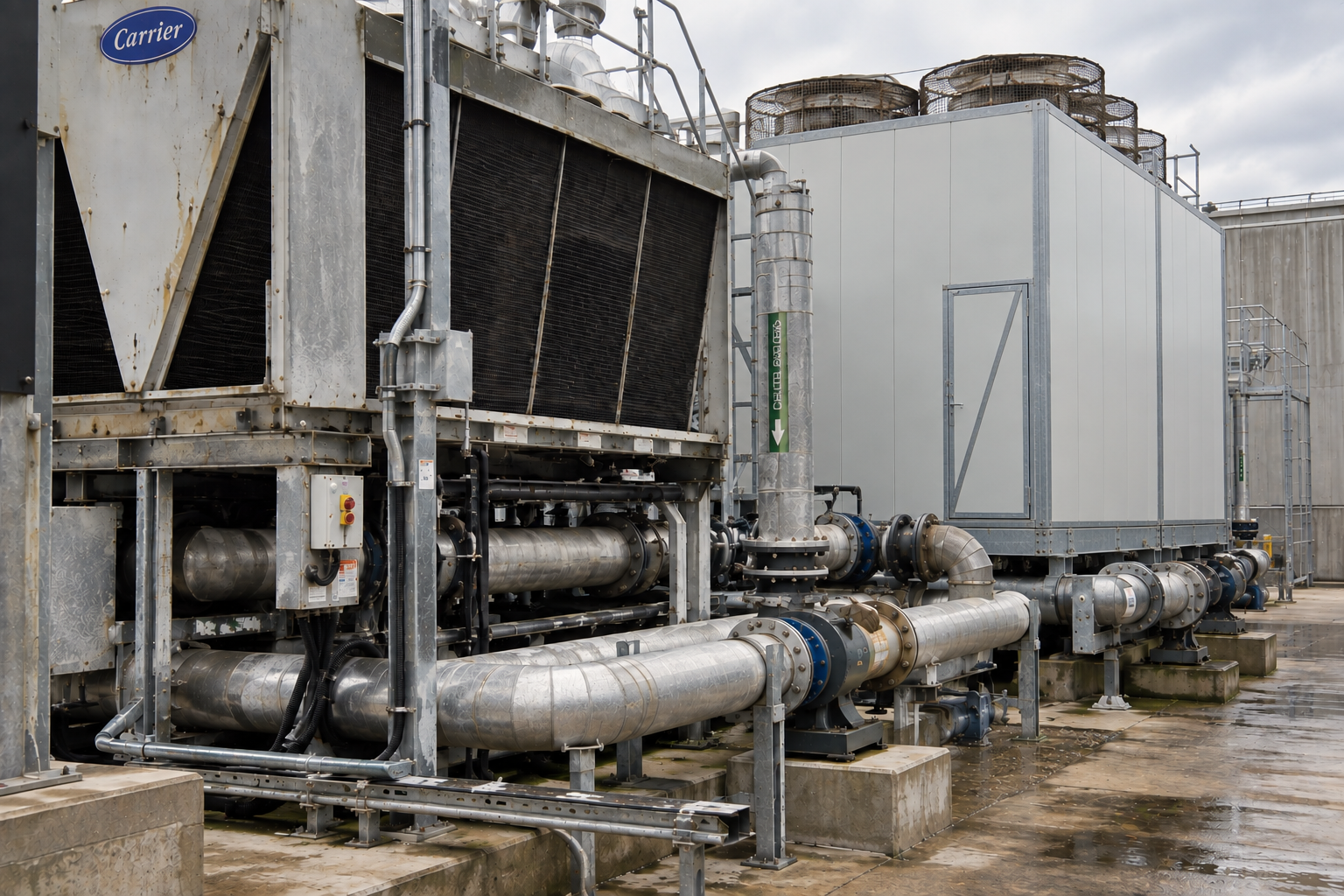
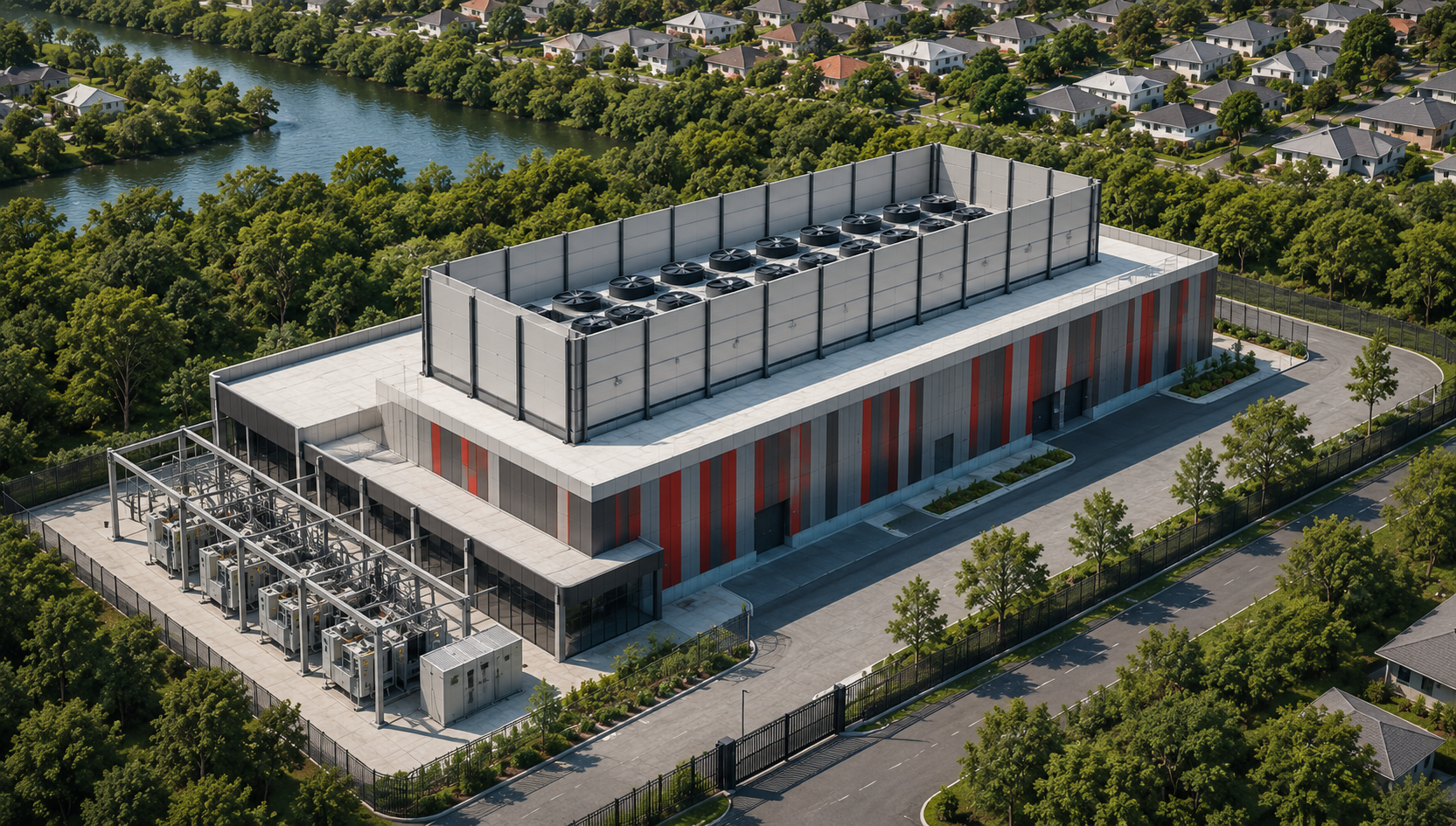
- Large rooftop plant arrays operating concurrently
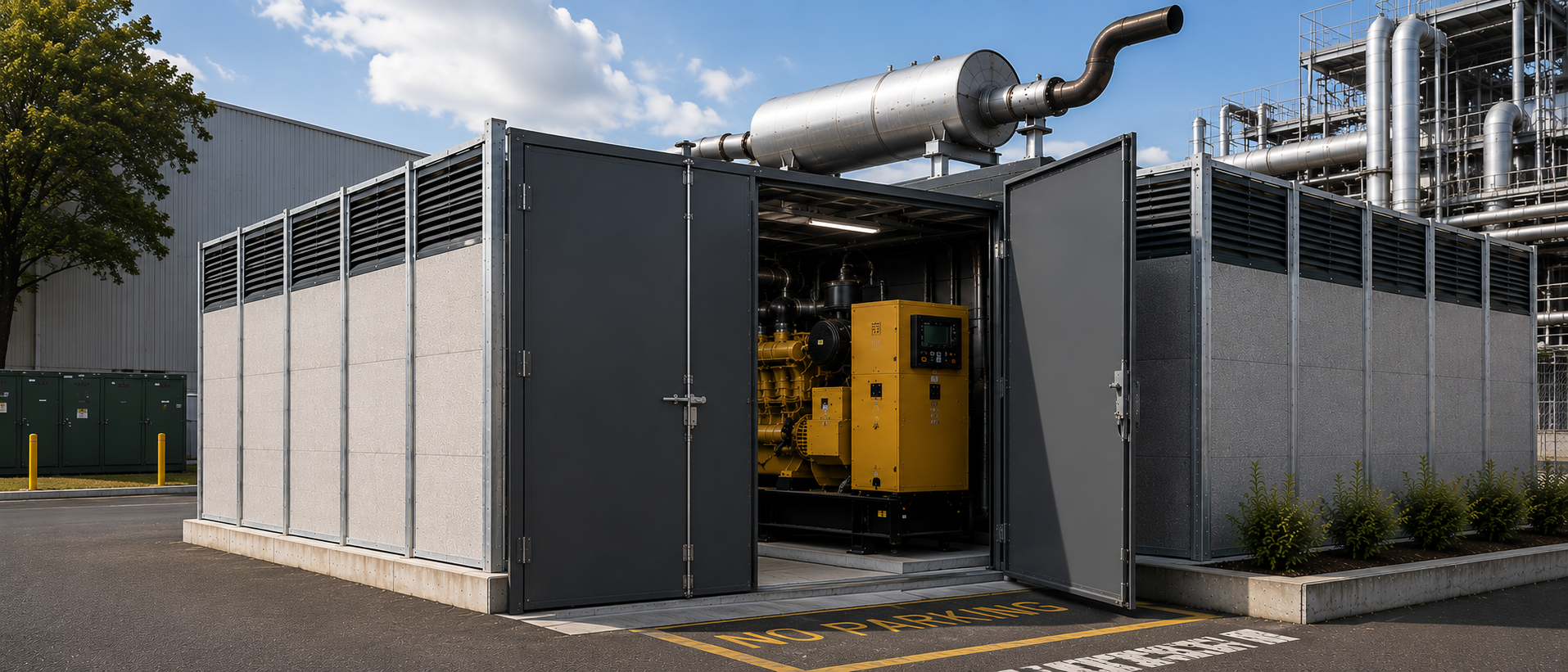
- Plantroom wall breakout, and
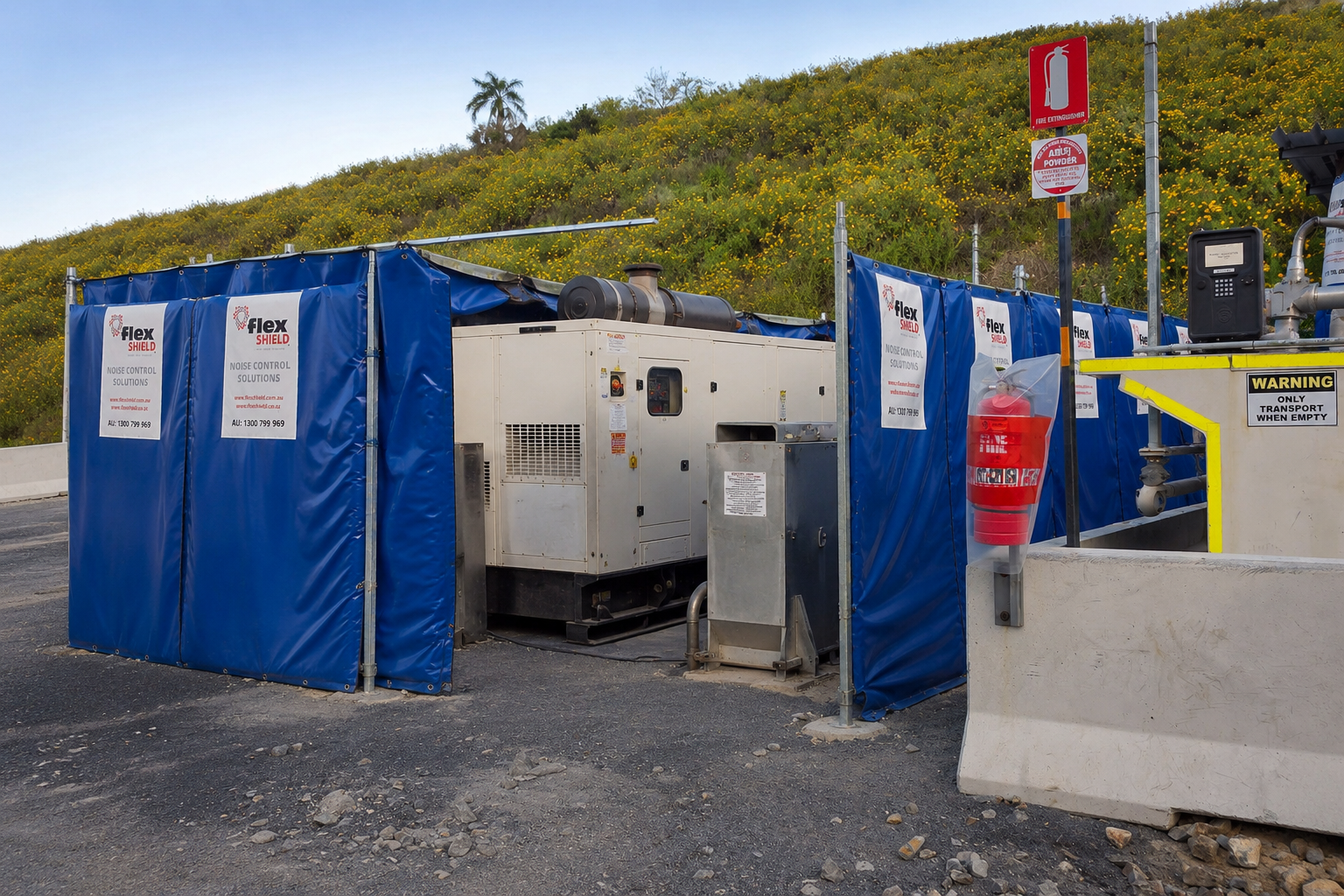
- Perimeter screening that blocks sight lines but not acoustic energy.
Noise path mapping during early design helps identify where treatment is required and where assumptions may fall short.
Waiting until commissioning often limits options and increases cost.
Engineering noise control for airflow and compliance
Mechanical design engineers face a balancing act. They must consider:
- Static pressure impact
- Fan performance
- Redundancy layout
- Plant spacing
- Screening configuration, and
- Planning approval conditions.
Acoustic control must be integrated without creating airflow penalties or operational inefficiencies. To achieve this, Flexshield Group works alongside mechanical teams to align louvre selection, modular panel systems, and enclosure design with real airflow data.
The objective is predictable performance that protects Health, Safety, Productivity and compliance.
Early planning protects programme
Retrofitting large plant arrays is complex. Access constraints, live environments, and continuous operation reduce flexibility. Shutdown windows are limited. And rework impacts programme.
That’s why early acoustic planning involvement is so important for AI-driven facilities.
The AI Cooling Acoustic Risk Snapshot provides:
- Noise path identification
- Airflow and acoustic balance review
- Screening strategy guidance
- Compliance exposure flagging
It is structured to support mechanical teams before procurement is locked in. Not brochure-heavy, not theoretical, but practical and engineering-led.
AI data centre noise control that’s built for scale; built for performance
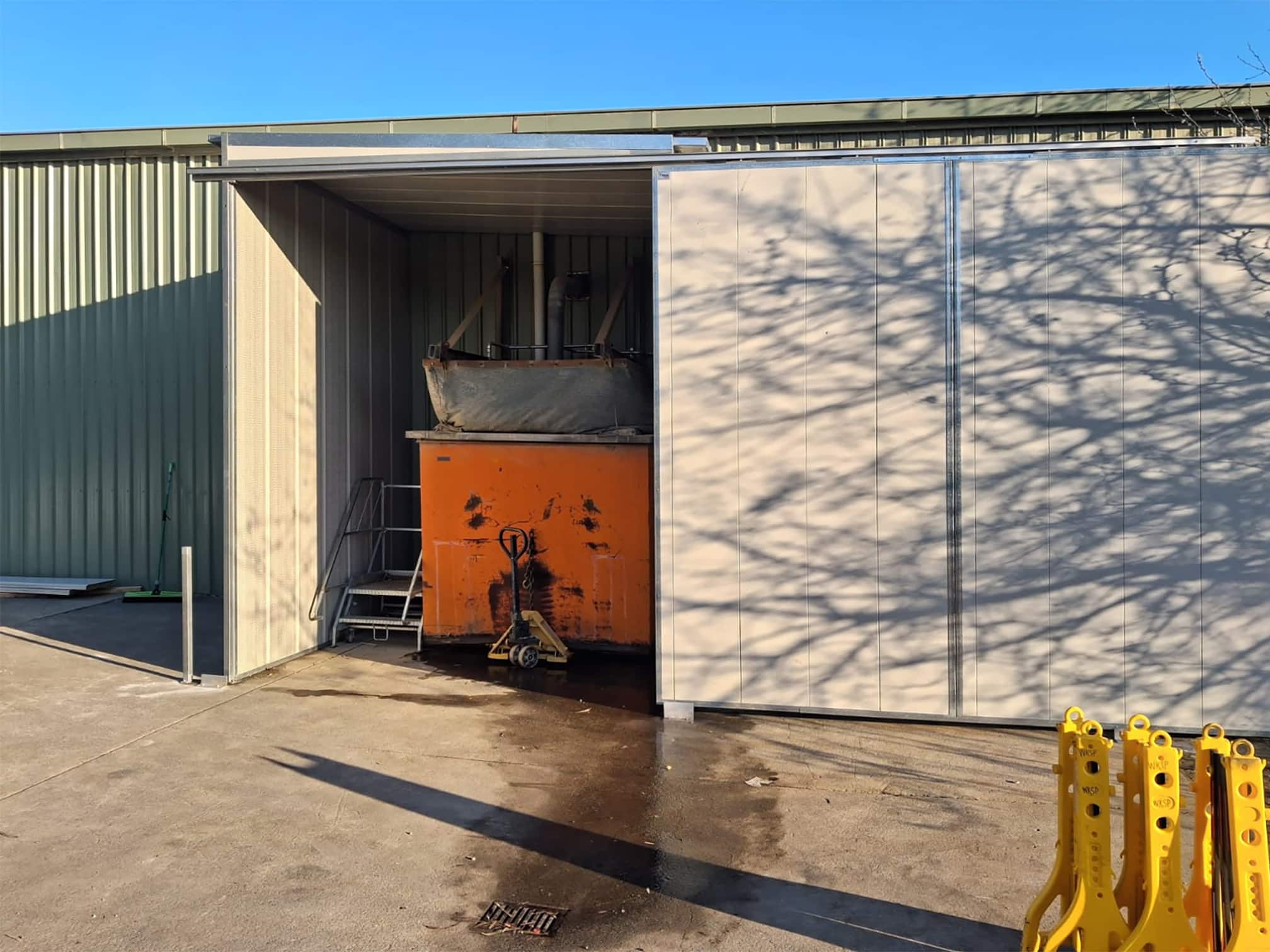
Flexshield’s Sonic Series Acoustic Louvres and Sonic System Modular Panels are engineered for high-output applications, including:
- Large intake and discharge openings
- Rooftop plant arrays
- Continuous-operation facilities, and
- External screening requirements.
As the scale of required cooling increases, AI data centre noise control must scale accordingly. With over two decades of proven experience, Flexshield delivers tailored, engineered outcomes that perform safely, consistently and compliantly.
We’ll make sure it’s built right from the start. Contact Flexshield on 1300 799 969 or get in touch online.
Proudly built by Flexshield Group
Designed to perform. Built to last.