Managing industrial noise before it affects productivity and compliance
Factories are busy environments by nature. Machinery, material handling, compressed air equipment, processing lines, and mechanical infrastructure all contribute to daily operational noise.
Over time, that noise creates challenges for workers, nearby businesses, and facility operators. Some sites deal with complaints from neighbouring properties. Others face pressure around workplace exposure levels or communication difficulties across production areas. In many facilities, noise builds gradually as new equipment is added without a coordinated acoustic plan.
Most factory noise issues can be managed with the right approach.
Mechanical plant and processing equipment
Mechanical equipment remains one of the largest contributors to factory noise.
Fans, compressors, pumps, motors, and processing machinery can create constant noise throughout production areas. Older equipment can become louder as components wear. Where machinery operates continuously, the impact spreads across entire sections of a facility.
Containing noise at the source is often the most practical approach.
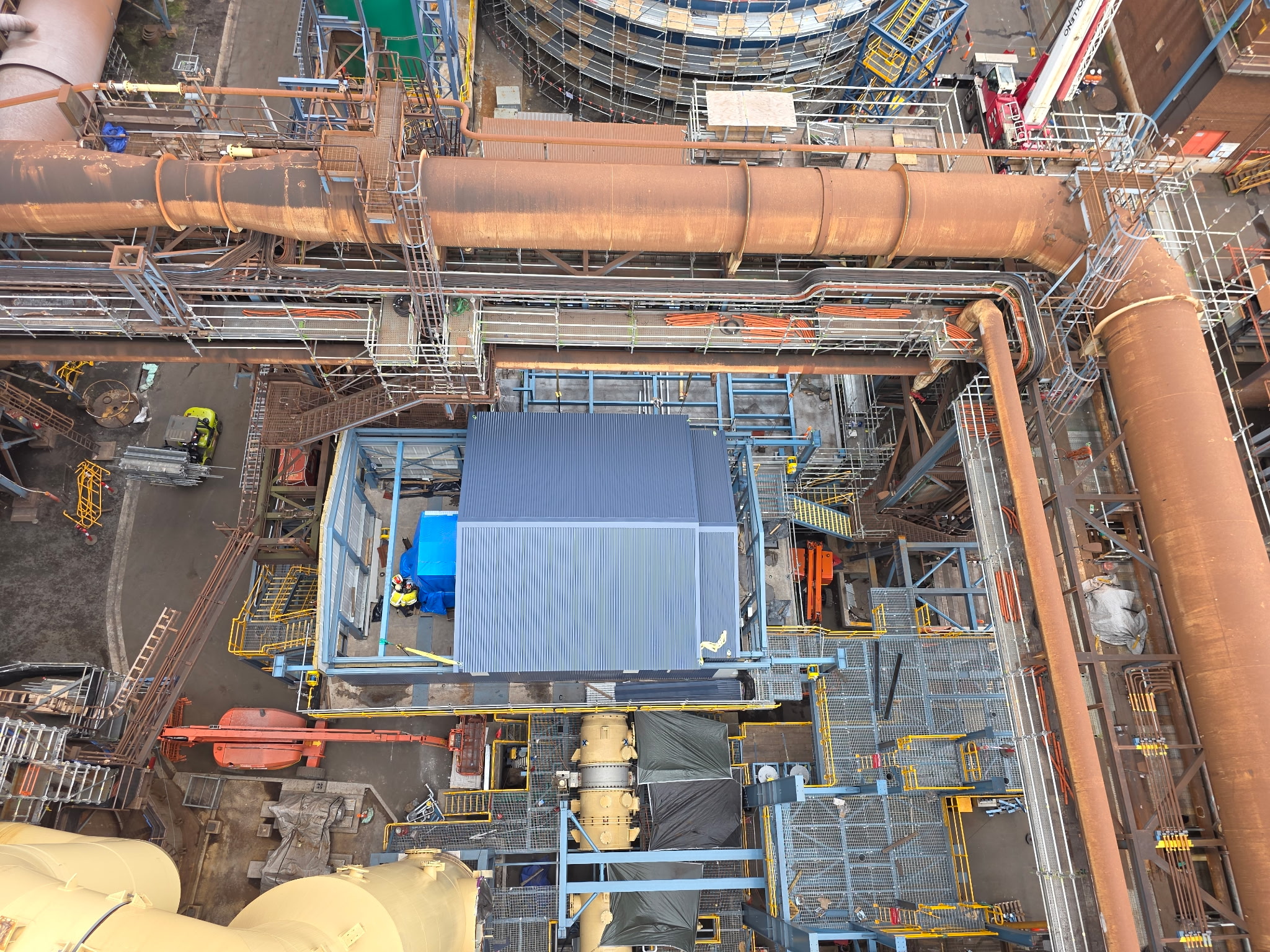
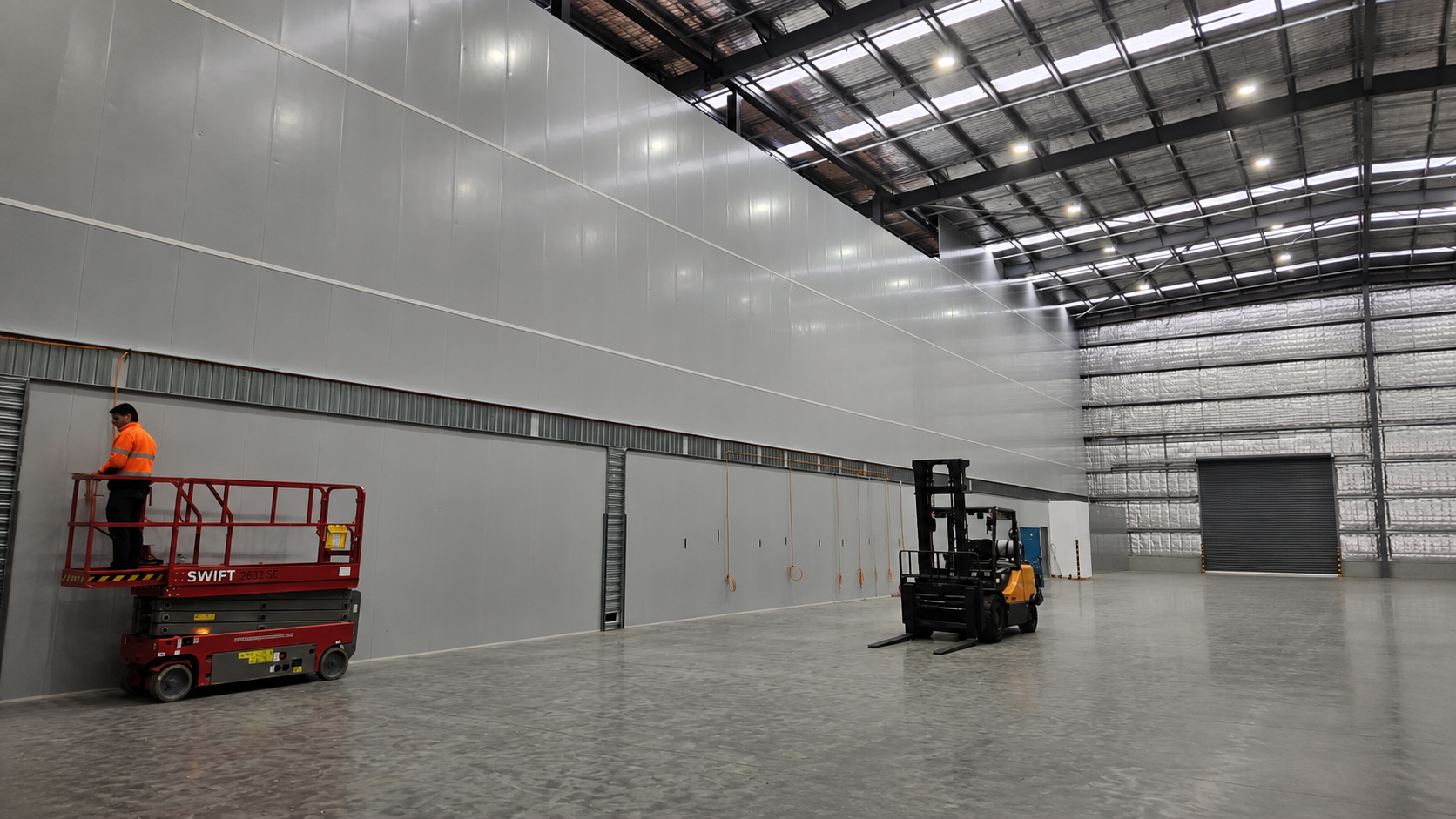
Flexshield’s Sonic acoustic enclosures reduce airborne noise around machinery and plant without restricting operational access for servicing and maintenance. For facilities managing compliance and trying to improve workplace conditions, enclosing major noise sources can make a substantial difference.
Compressed air systems
Compressed air infrastructure is another common source of industrial noise.
Air discharge, compressors, pneumatic systems, and leaks create sharp, repetitive noise that becomes fatiguing across production environments. Because compressed air systems often run across multiple parts of a facility, the overall impact is larger than many operators realise.
Targeted acoustic treatment around compressors and associated infrastructure can help reduce the spread of mechanical noise across the factory floor.
Material handling and impact noise
Forklifts, conveyor systems, pallet movement, and loading operations also contribute heavily to factory noise.
Impact noise from metal handling, dropped materials, and production activity creates sudden peaks that disrupt communication and increase overall workplace fatigue. Operational processes cannot always be eliminated, but noise exposure can often be reduced through layout planning, separation strategies, and acoustic treatment around high-noise equipment zones.
Why early planning matters
Many factories grow over time rather than through a single staged build. Equipment is added where space allows, often without considering the cumulative impact on noise levels.
Eventually, sites reach a point where complaints, compliance requirements, or operational disruption force action. Addressing noise issues earlier allows businesses to maintain greater control over productivity, maintenance access, and workplace conditions.
It also supports better communication across production teams and reduces the spread of mechanical noise into adjoining offices, amenities, and external areas.
Built for industrial environments
Industrial facilities place heavy demands on infrastructure. Acoustic treatment needs to withstand dust, heat, impact, vibration, and ongoing maintenance activity.
Flexshield designs and manufactures engineered acoustic products built for Australian industrial conditions. For factories looking to manage machinery noise, acoustic enclosures provide a practical way to reduce exposure while maintaining productivity and access.
Contact Flexshield on 1300 799 969 or get in touch online.
Proudly built by Flexshield Group.
Designed to perform. Built to last.