How IL, TL and NR support Health, Safety and Productivity
Managing noise in active industrial environments requires more than guesswork. Builders, engineers, project managers, contract administrators, architects and acousticians need numbers they can rely on. That is where IL, TL and NR come in.
These three acoustic metrics form the backbone of decision-making across Australian workshops, plants, fabrication facilities and training centres. They help teams choose the right materials, set the correct expectations and design for dependable performance.
Flexshield has worked with these industrial acoustic performance metrics for more than twenty years. We treat them as practical tools, not academic theory. And when used correctly, they help us create safer and more productive workplaces while supporting compliance and long-term durability.
Why these industrial acoustic performance metrics matter on Australian worksites
Industrial environments carry daily pressures. Teams need to protect hearing, maintain communication, and keep operations running without interruption.
IL, TL and NR provide the clarity needed to select screening, enclosures or engineered barriers that will genuinely make a difference. Each metric highlights a different part of the acoustic picture, which is why they are often used together.
What Transmission Loss (TL) tells you
TL measures how much sound energy a barrier can stop as it passes from one side to the other. A higher TL means better performance.
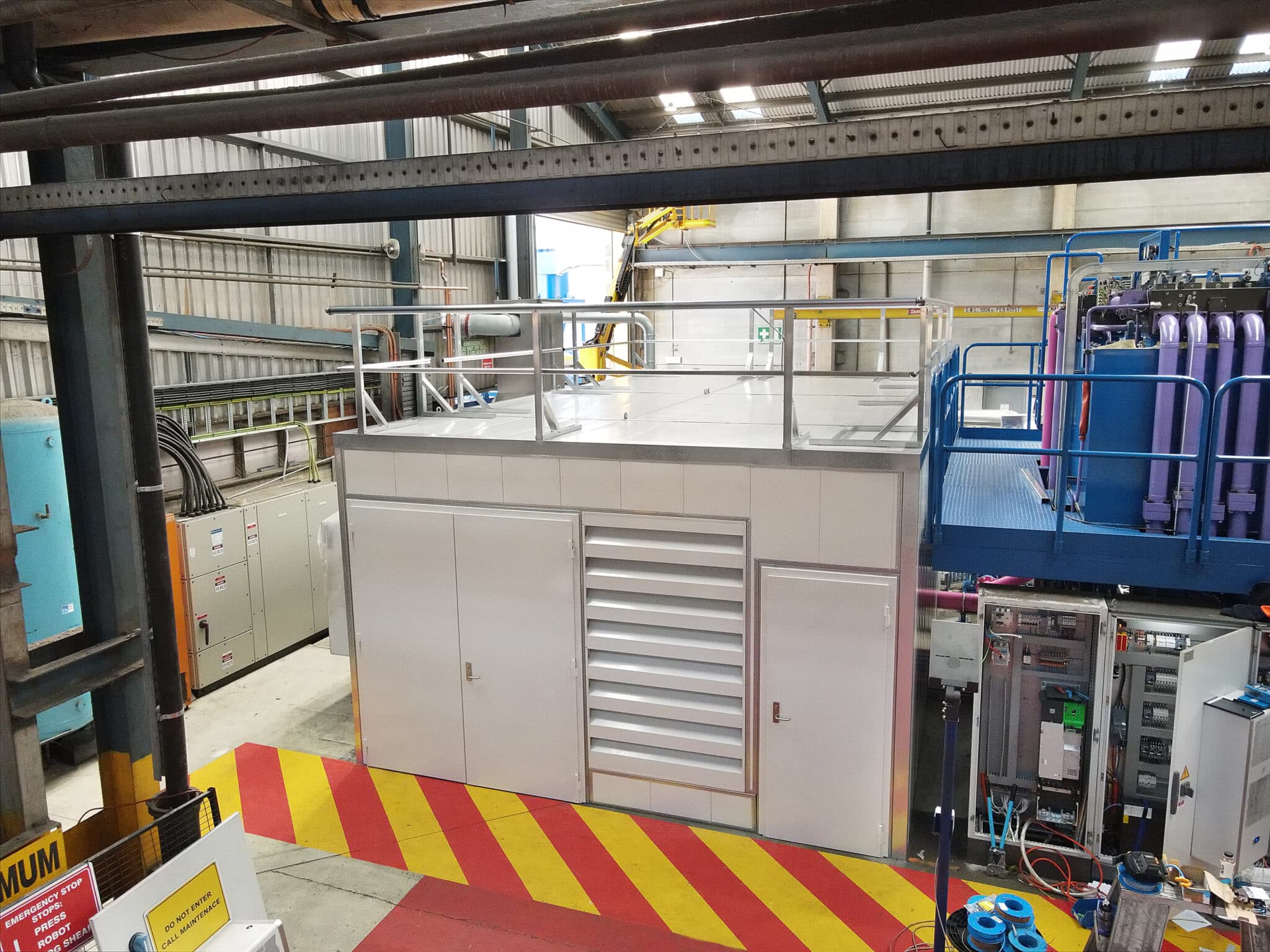
For project managers, TL is useful when selecting walls, doors or partitions that separate workers from plant rooms, compressors or heavy equipment.
Architects and acousticians often look at TL when comparing materials. Flexshield uses this information to design systems that deliver predictable, measurable results.
What Noise Reduction (NR) shows on site
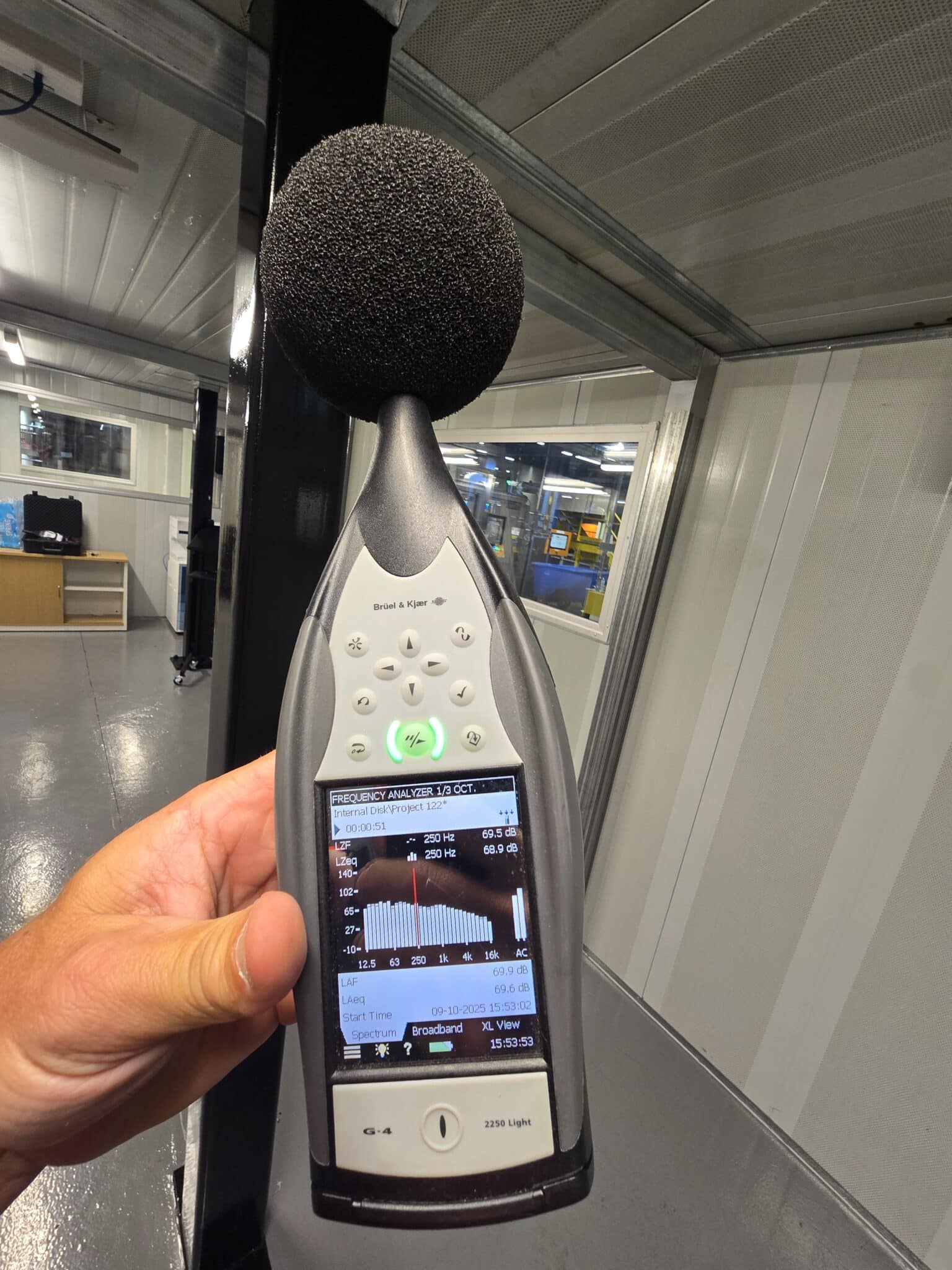
NR reflects the difference between the reading on one side of a barrier and the reading on the other. While TL is measured in controlled test conditions, NR shows what the barrier is achieving in the field.
NR helps construction teams confirm that a treatment is performing as expected, and helps facility managers benchmark improvements during shutdowns or staged works. If NR is lower than required, it may point to flanking paths or installation gaps that need attention.
Why Insertion Loss (IL) is so valuable
IL shows how much quieter an area becomes once a treatment has been installed. It’s one of the most practical metrics for real-world projects because it reflects total improvement, not just the behaviour of the barrier itself.
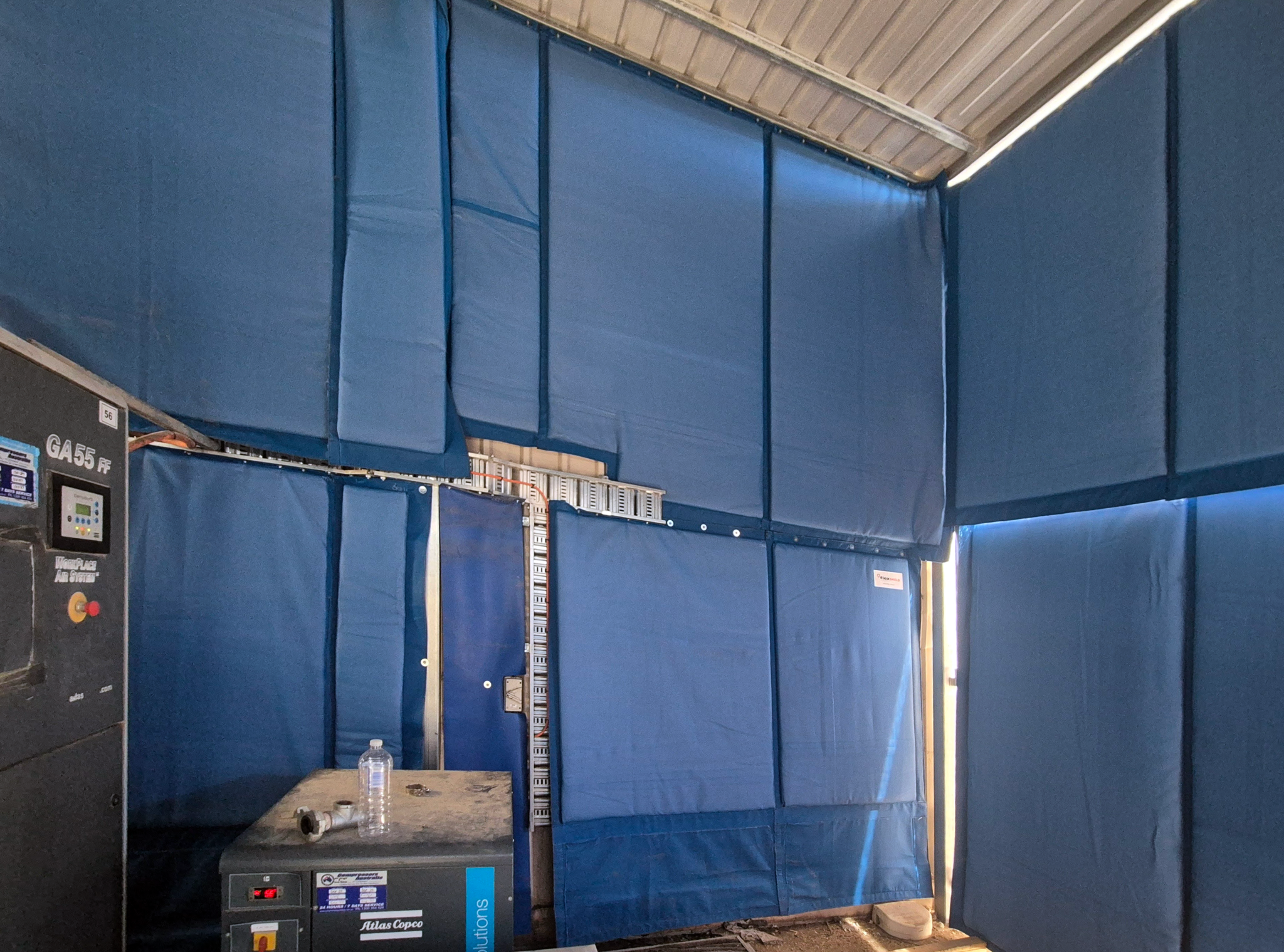
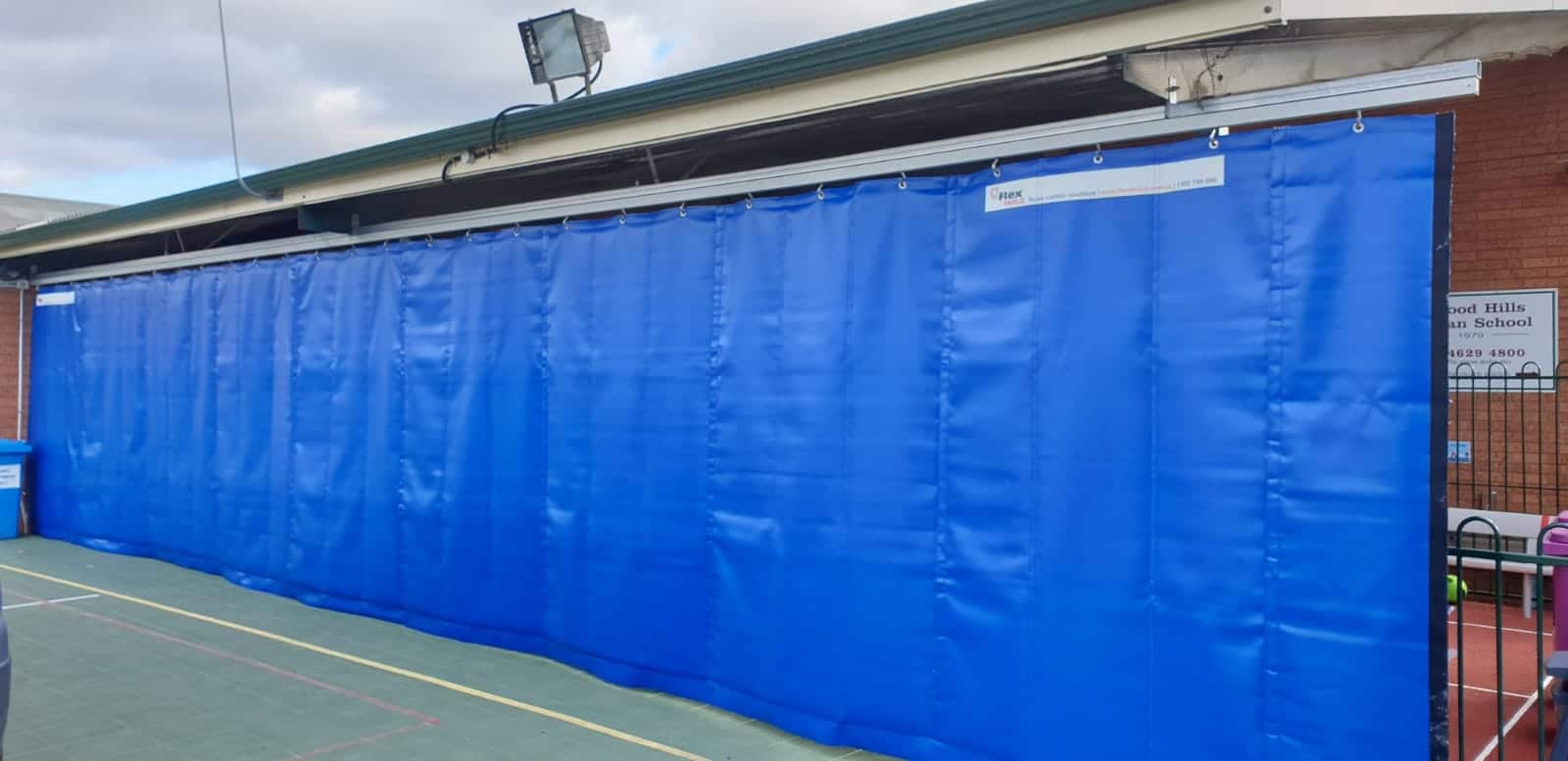
When dealing with mobile equipment, outdoor plant, or variable site conditions, IL gives a clear picture of the change delivered by a barrier, curtain, enclosure or wall. It allows the Flexshield team and our client to confirm the benefit in a straightforward way.
Using the three industrial acoustic performance metrics together
When IL, TL and NR are considered as a set, they guide confident decisions. They help determine whether a project needs a heavy barrier, a full enclosure, a screening wall, or a combination of treatments. They also ensure that budgets are spent where they matter most.
For industrial teams, the goals are clear:
- Protect hearing
- Improve communication
- Support productivity.
Industrial acoustic performance metrics help deliver all three with a steady, reliable approach that reflects Flexshield’s long-standing expertise.
Built for dependable results
Flexshield’s commitment to clarity and real-world performance means every project is guided by data, experience and a commitment to Health, Safety and Productivity. Whether you are planning new works or updating an existing site, industrial acoustic performance metrics help build confidence from day one.
We’ll make sure it’s built right from the start. To speak with our noise control experts, contact Flexshield on 1300 799 969 or get in touch online.
Proudly built by Flexshield Group
Designed to perform. Built to last.