A practical look at the equipment, tasks, and conditions that create noise on-site
Construction work is loud by nature, yet not all noise comes from the same place. Some tasks create sharp impact noise, while others produce a steady, high-decibel drone that rises as the work progresses. Knowing where construction noise starts is the first step in controlling it.
The biggest contributors to noise on Australian construction sites
Across building, civil, and demolition projects, several machines regularly push noise past comfortable levels. Many exceed 85 dBA at a distance of fifteen metres, and levels only rise as workers move closer.
Common construction noise sources include:
- Impact tools such as jackhammers, rock breakers, and pile drivers
- Concrete saws, grinders, and tile cutters
- Generators, pumps, and compressors
- Demolition equipment
- Vehicle movement in confined areas
When multiple tools run together, construction noise becomes compounded. Crews can quickly exceed safe exposure limits – and neighbours may start lodging complaints.
Why construction noise grows as the day progresses
Materials change shape and density as they are cut, drilled, or broken down. This often increases sound output. Reinforcement strikes, variable loads, and ground conditions also affect noise levels.
Sites working between buildings or near retaining walls deal with reflections that push noise further into the community. Multi-level sites can also transfer noise between floors.
Why early planning helps
When construction noise sources are known, supervisors can stage work, separate tasks, and put in controls before any risk escalates. It’s important that a Noise Risk Assessment guides this planning.
Practical solutions to address construction noise sources
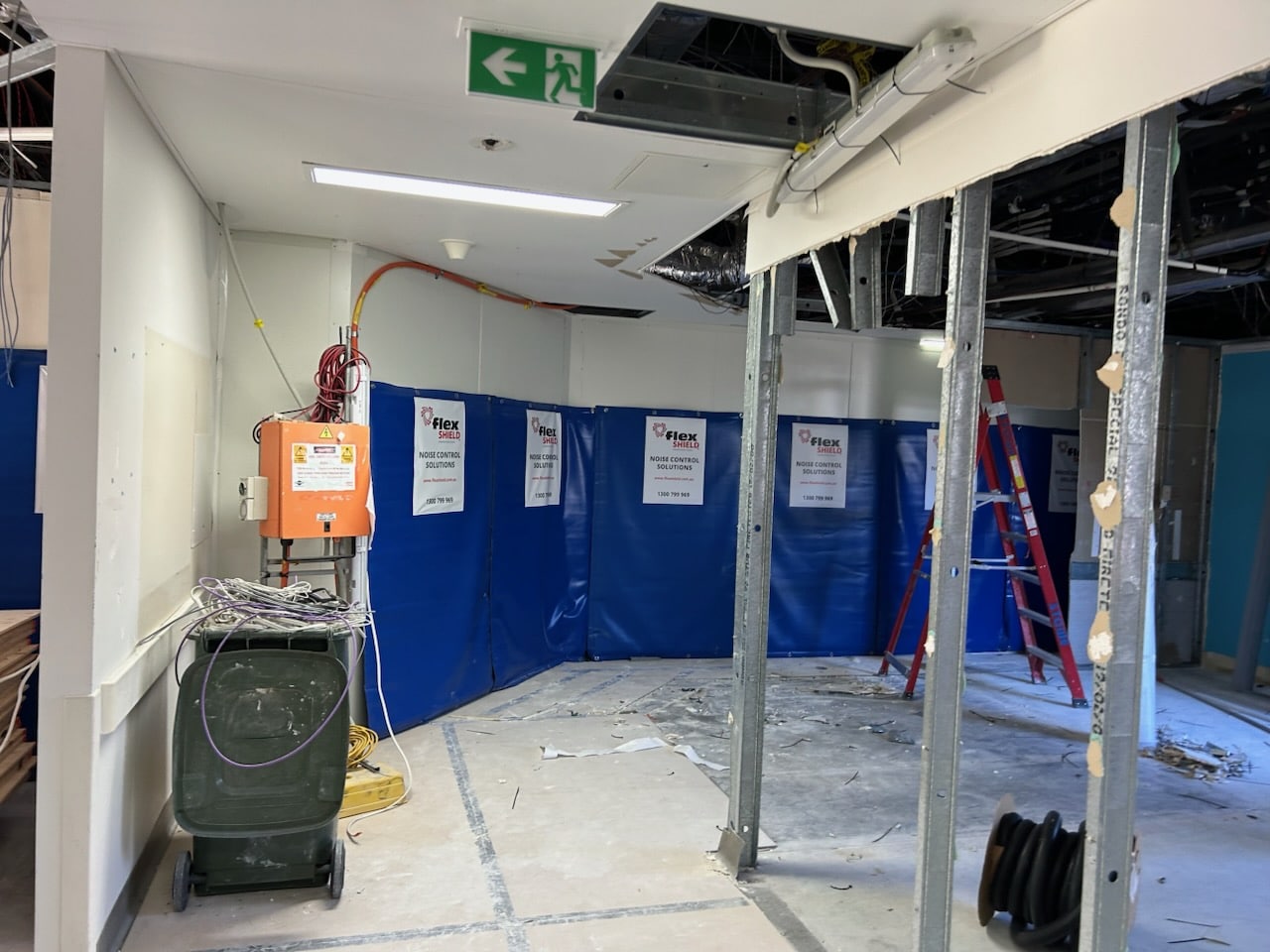
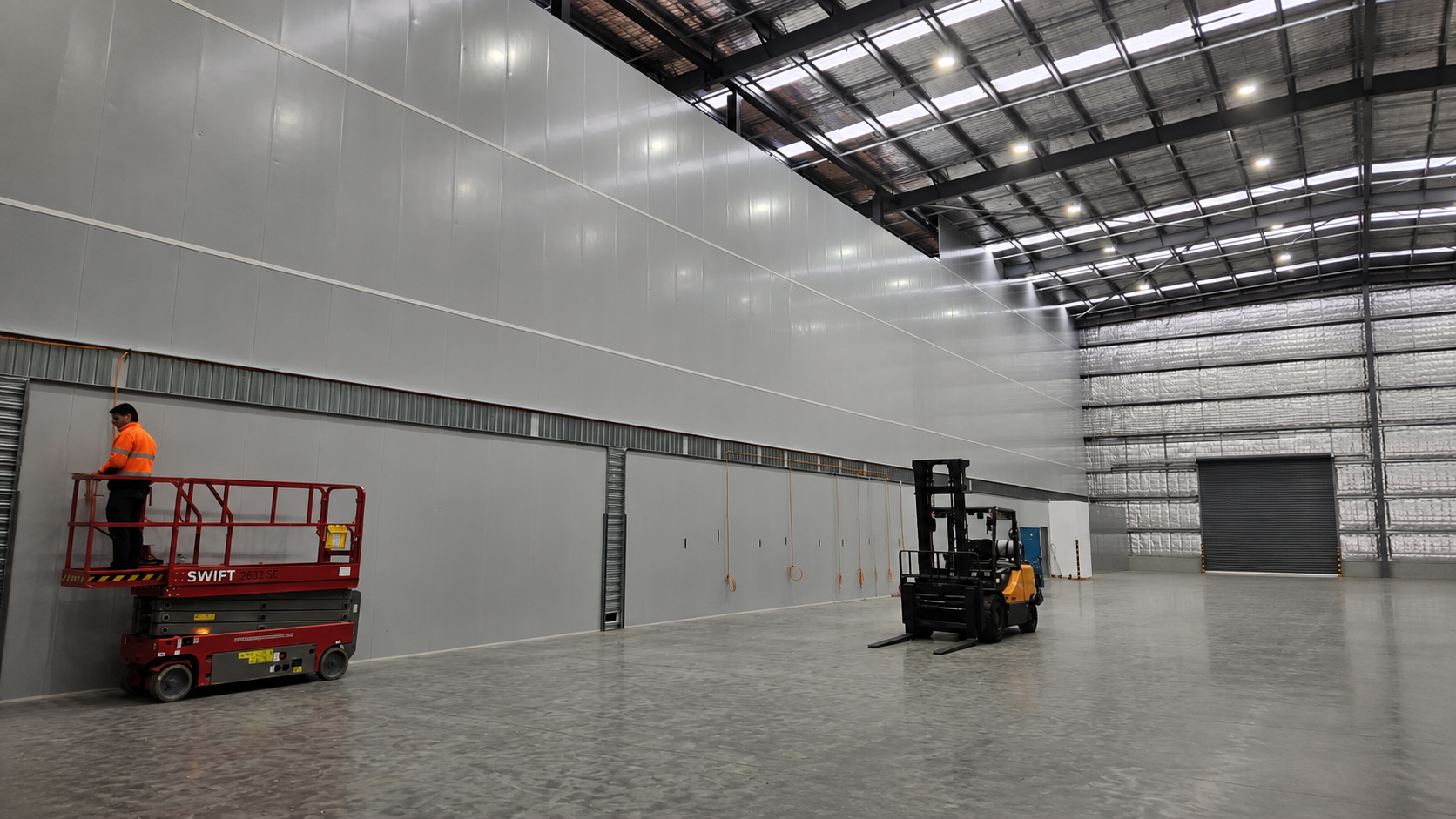
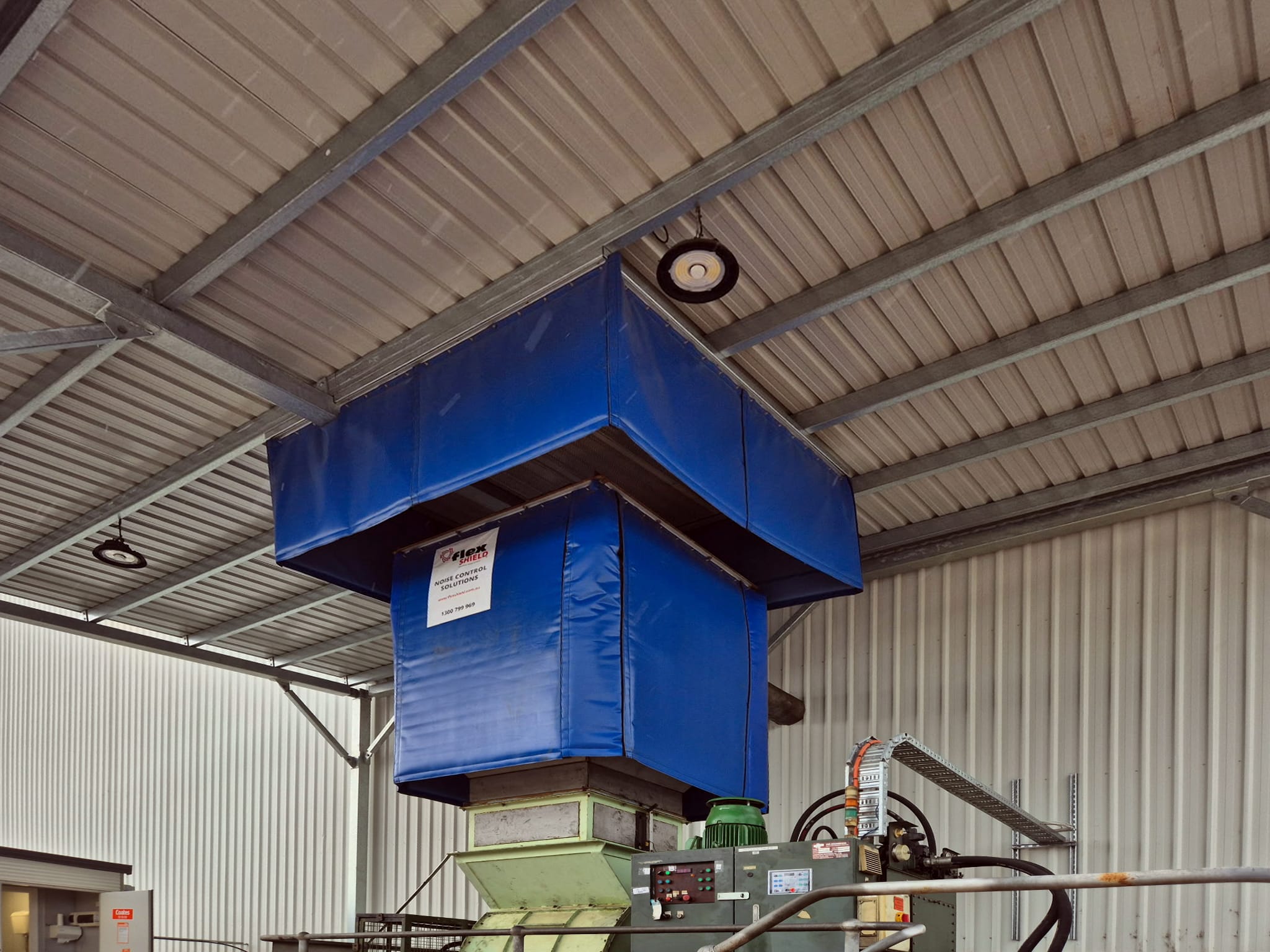
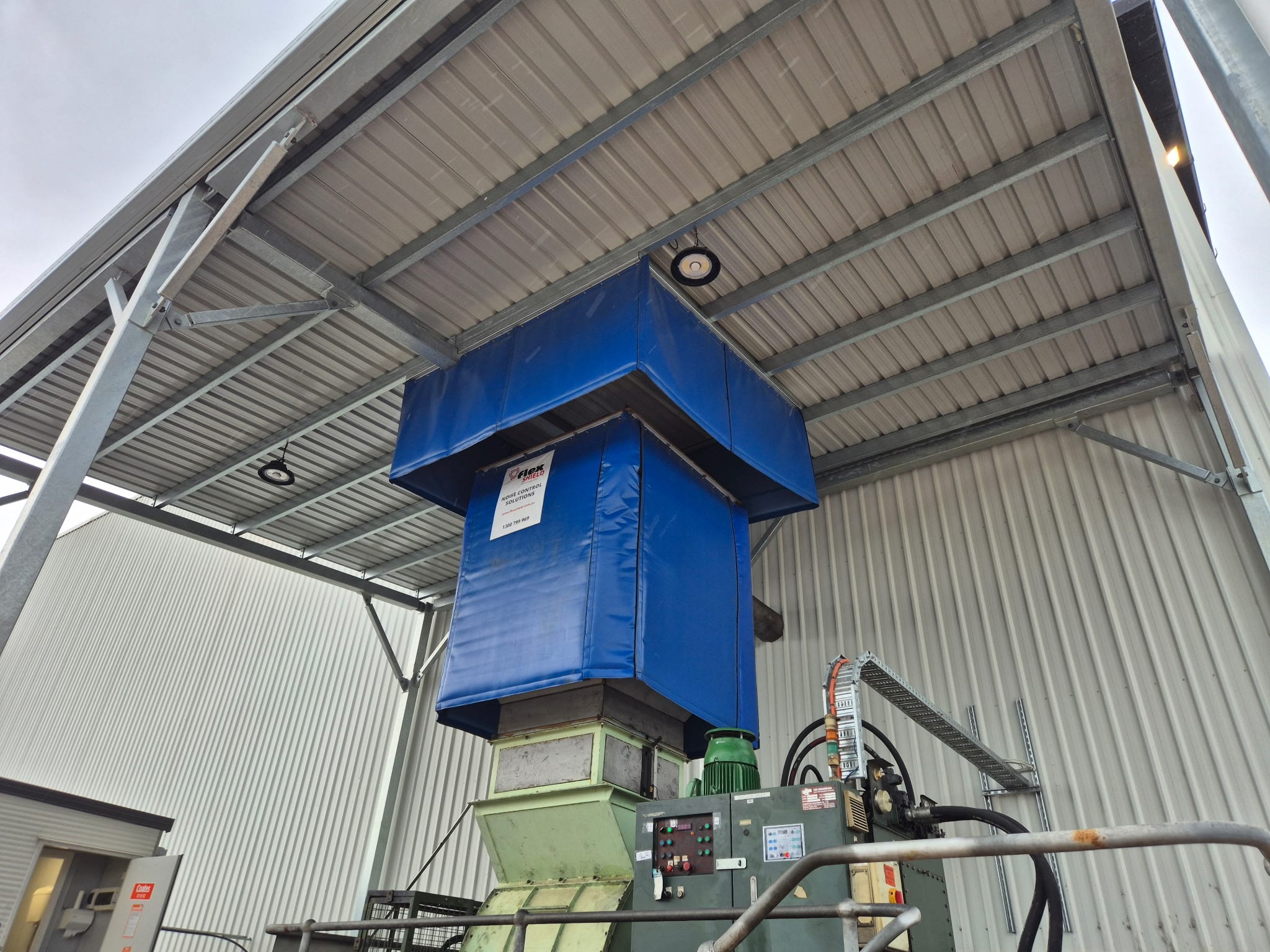
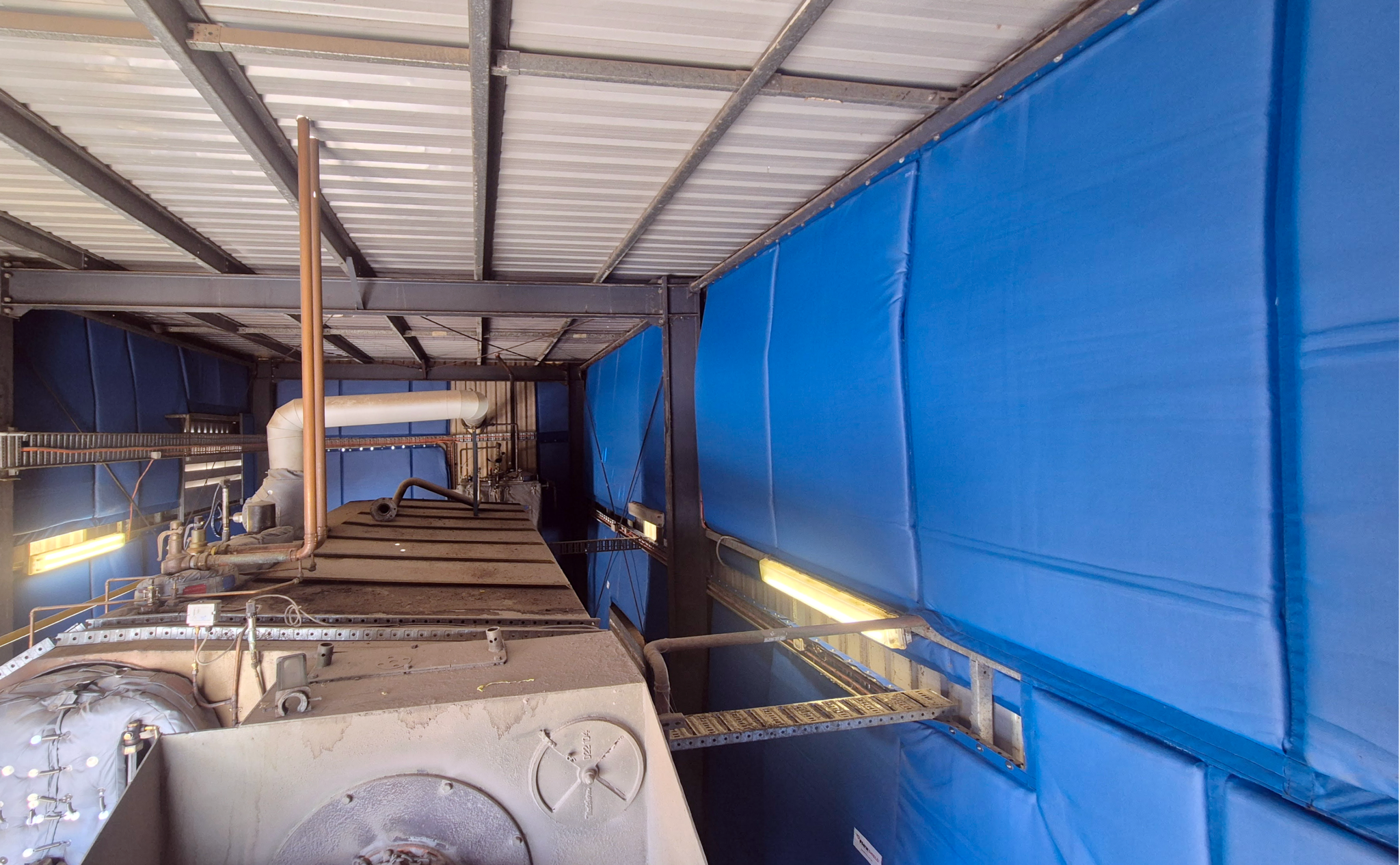
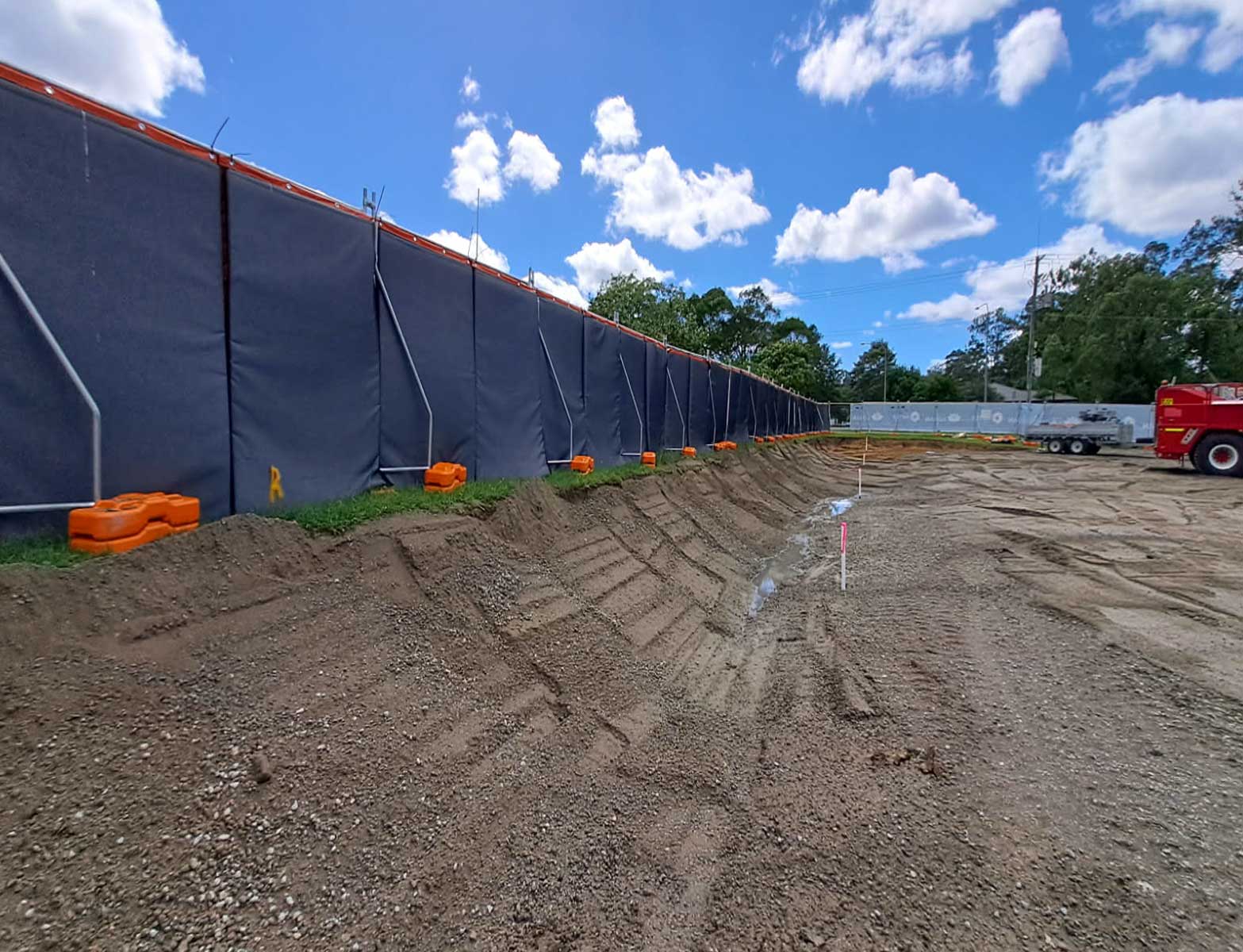
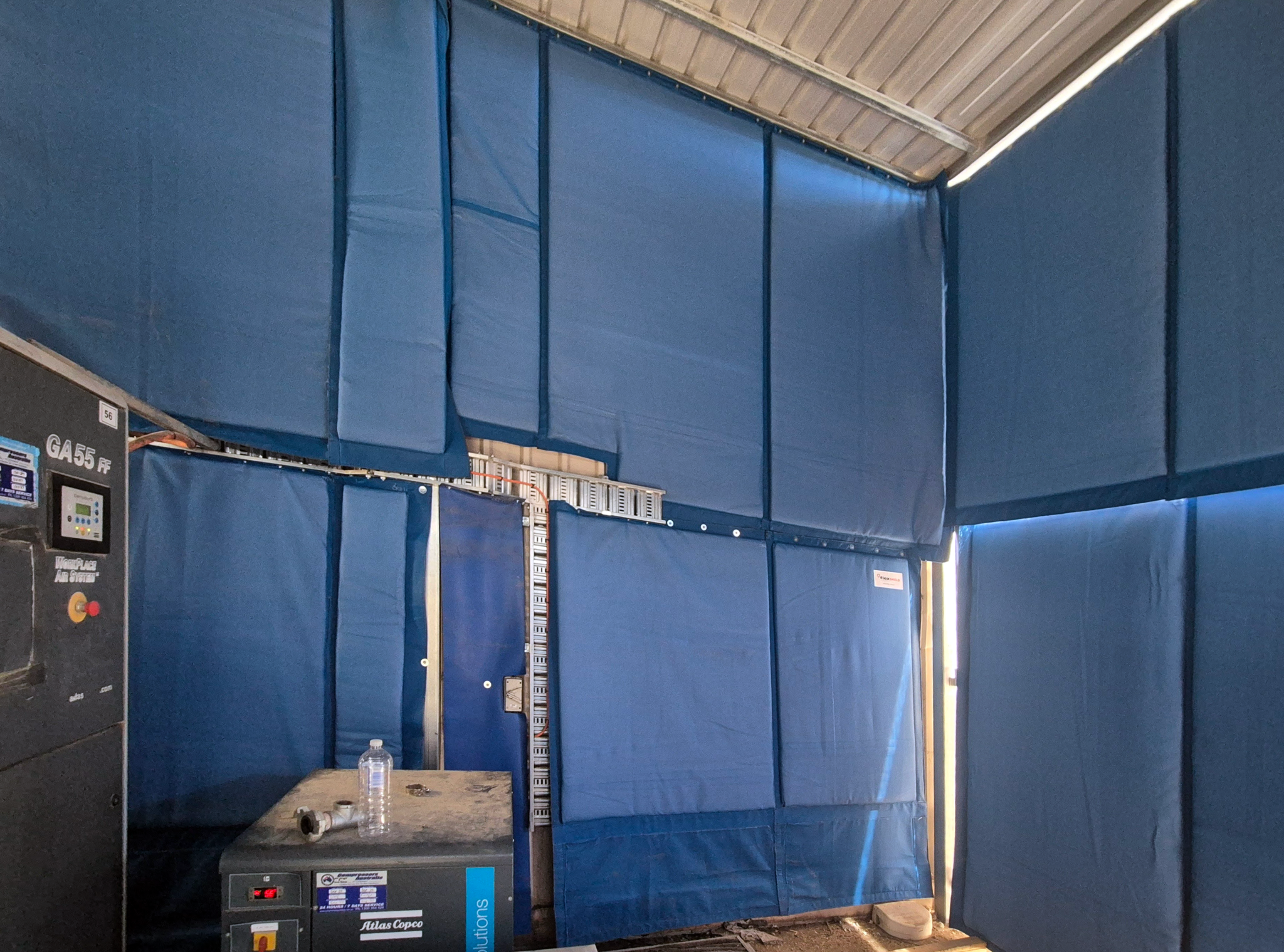
Flexshield offers several high-quality options to reduce noise from common construction site sources:
Each option supports crews who need to keep working while managing expectations from the community and regulators.
We’ll help you choose the right noise control for your construction site
The Flexshield team have wide experience in addressing noise on Australian construction sites. We can work with you to carry out a Noise Risk Assessment and provide the right solutions to your construction site noise.
We’ll make sure it’s built right from the start. To speak with our welding bay expert, contact Flexshield on 1300 799 969 or get in touch online.
Proudly built by Flexshield Group. Designed to perform. Built to last.