How to reduce noise where it’s hardest to manage
In industrial settings, workshops and fabrication facilities present some of the more complex noise environments. Their combination of fixed machinery, hand tools, compressed air systems, and moving materials creates noise across multiple frequencies simultaneously.
For workers who spend full shifts in these environments, cumulative exposure adds up quickly. For health and safety managers and facility operators, managing workshop noise is both a compliance requirement under workplace exposure standards and a practical challenge with no single answer.
The sources of industrial workshop noise
In fabrication areas, angle grinders, plasma cutters, welding equipment, and metal saws are among the most significant contributors to noise. These tools produce intense noise during operation, and when multiple operators work simultaneously, the overall noise floor rises quickly.
Fixed machinery such as press brakes, punch presses, and CNC equipment adds to this baseline. Material handling, overhead cranes, and conveyor systems contribute additional noise that is difficult to isolate from the source.
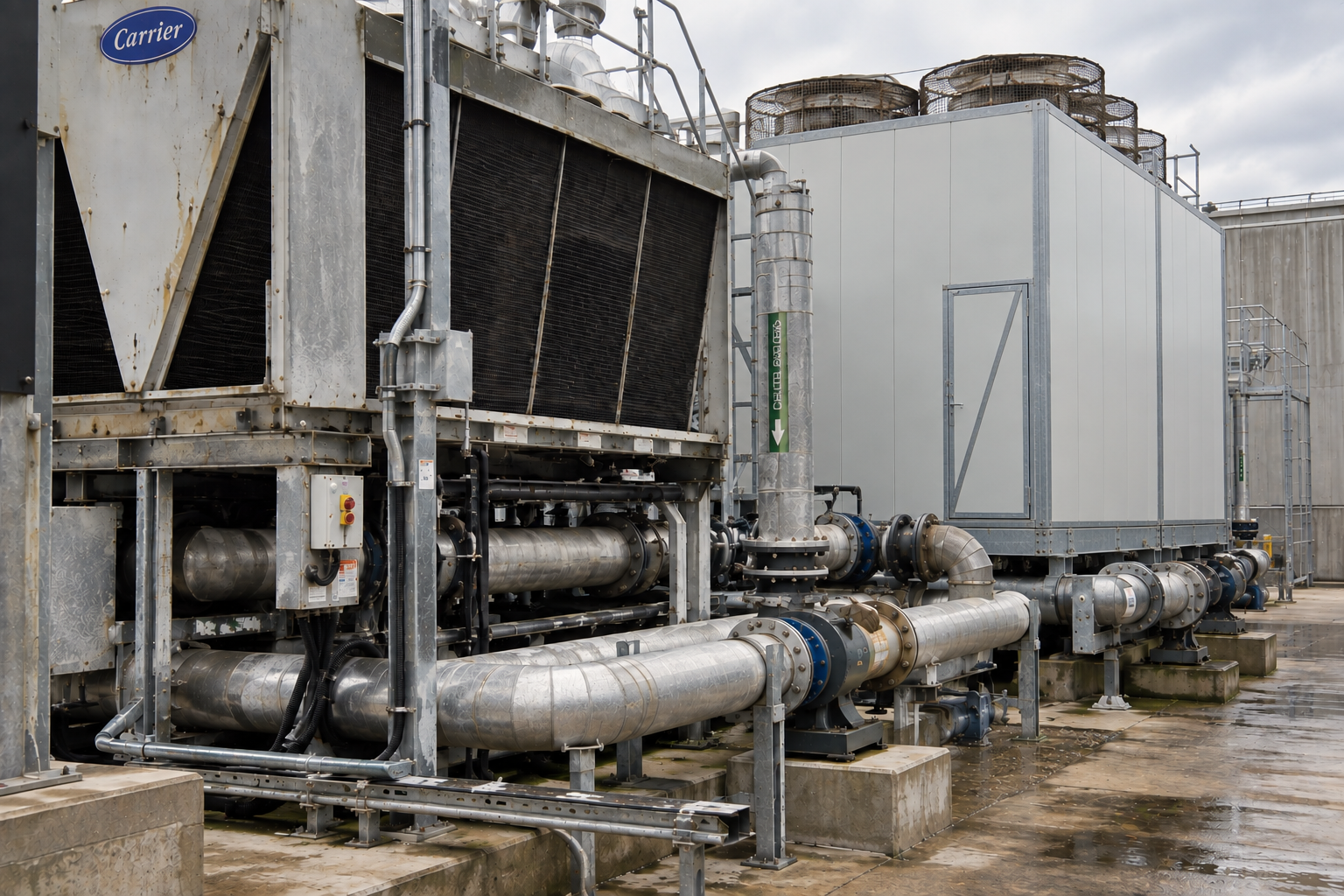
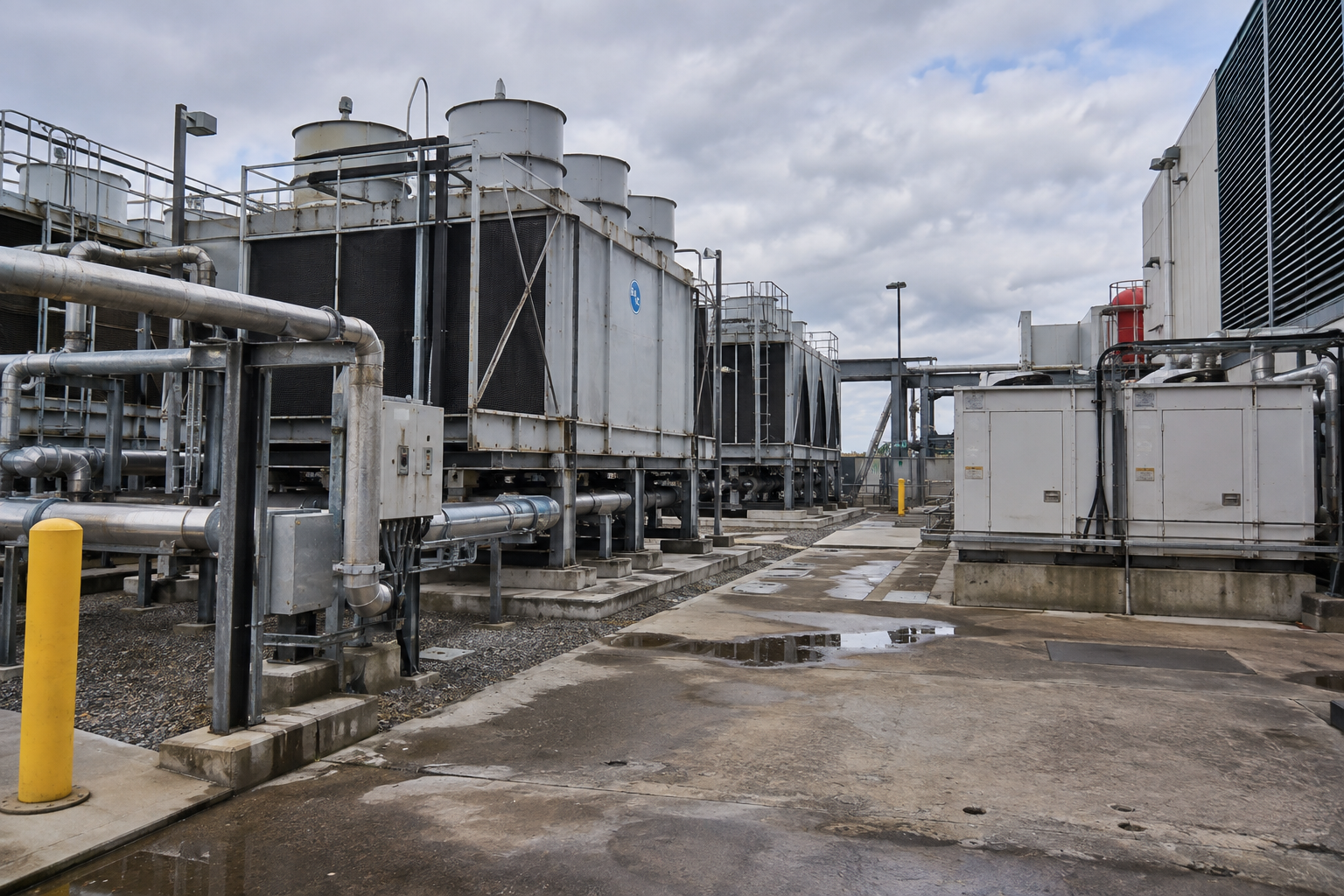
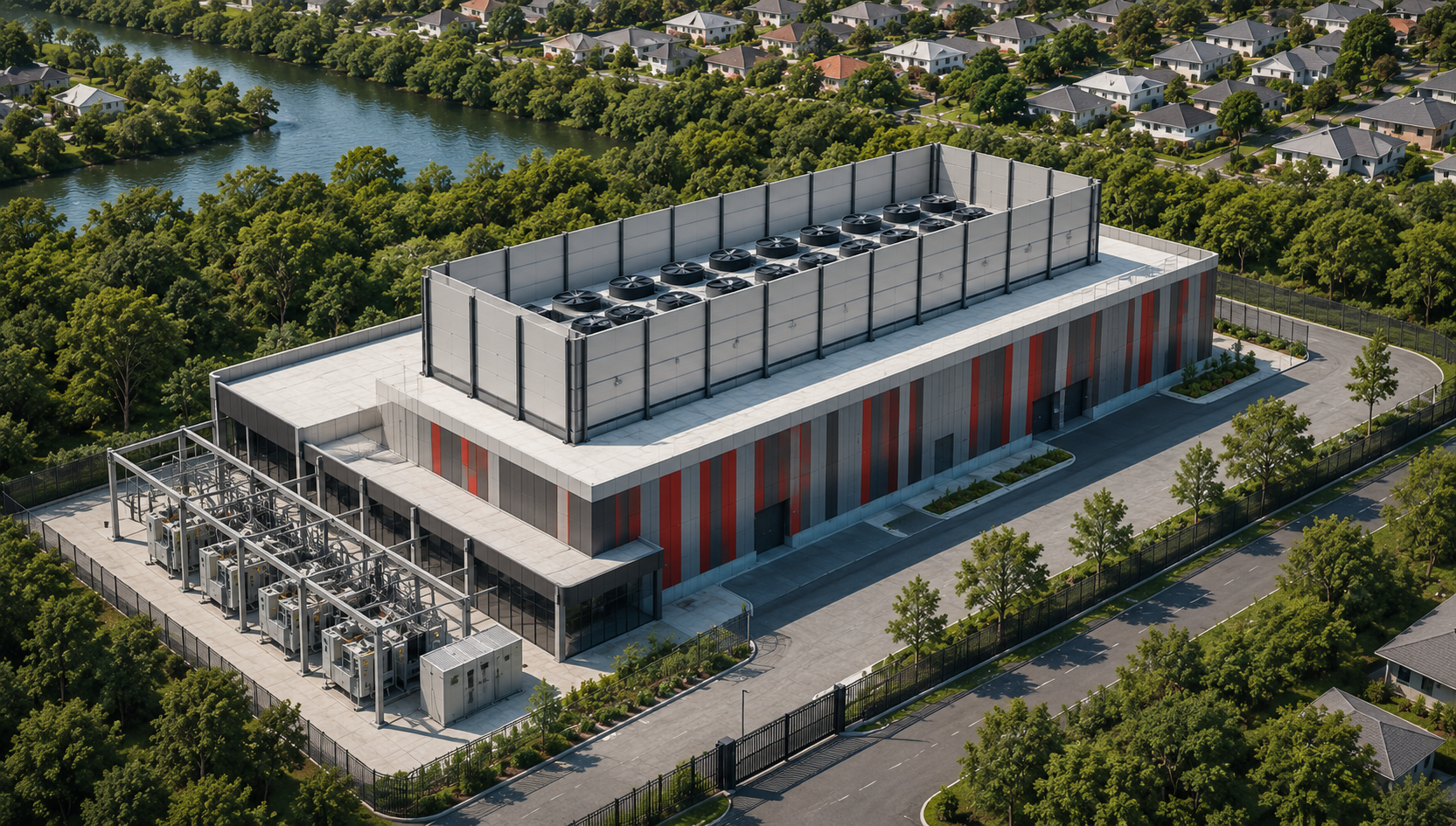
HVAC and ventilation infrastructure also contributes to workshop noise levels, particularly in enclosed buildings. Fan noise and duct vibration create persistent low-level sound that becomes fatiguing over a shift, even when individual machines aren’t operating at their peak.
Managing industrial noise at the source
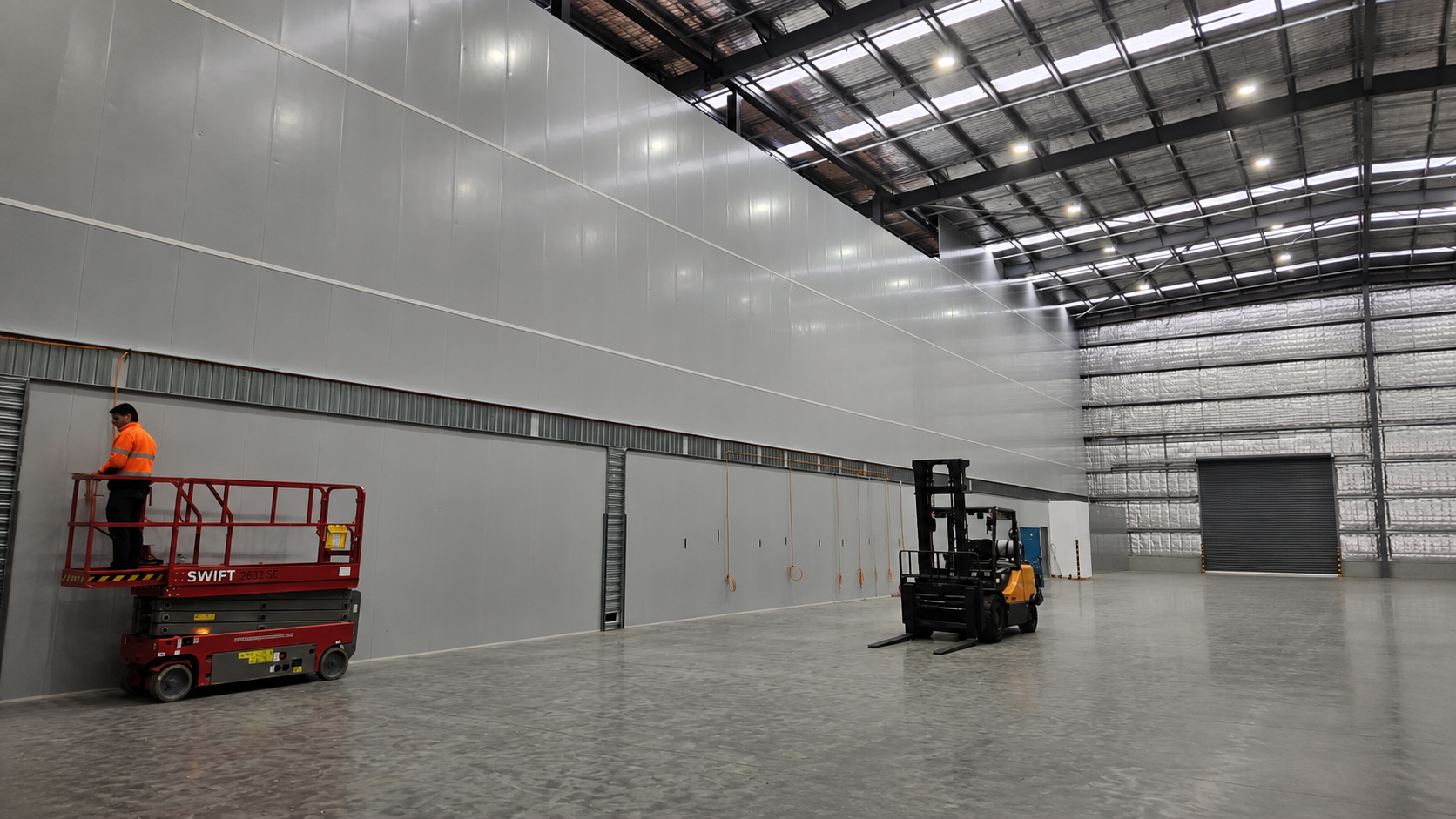
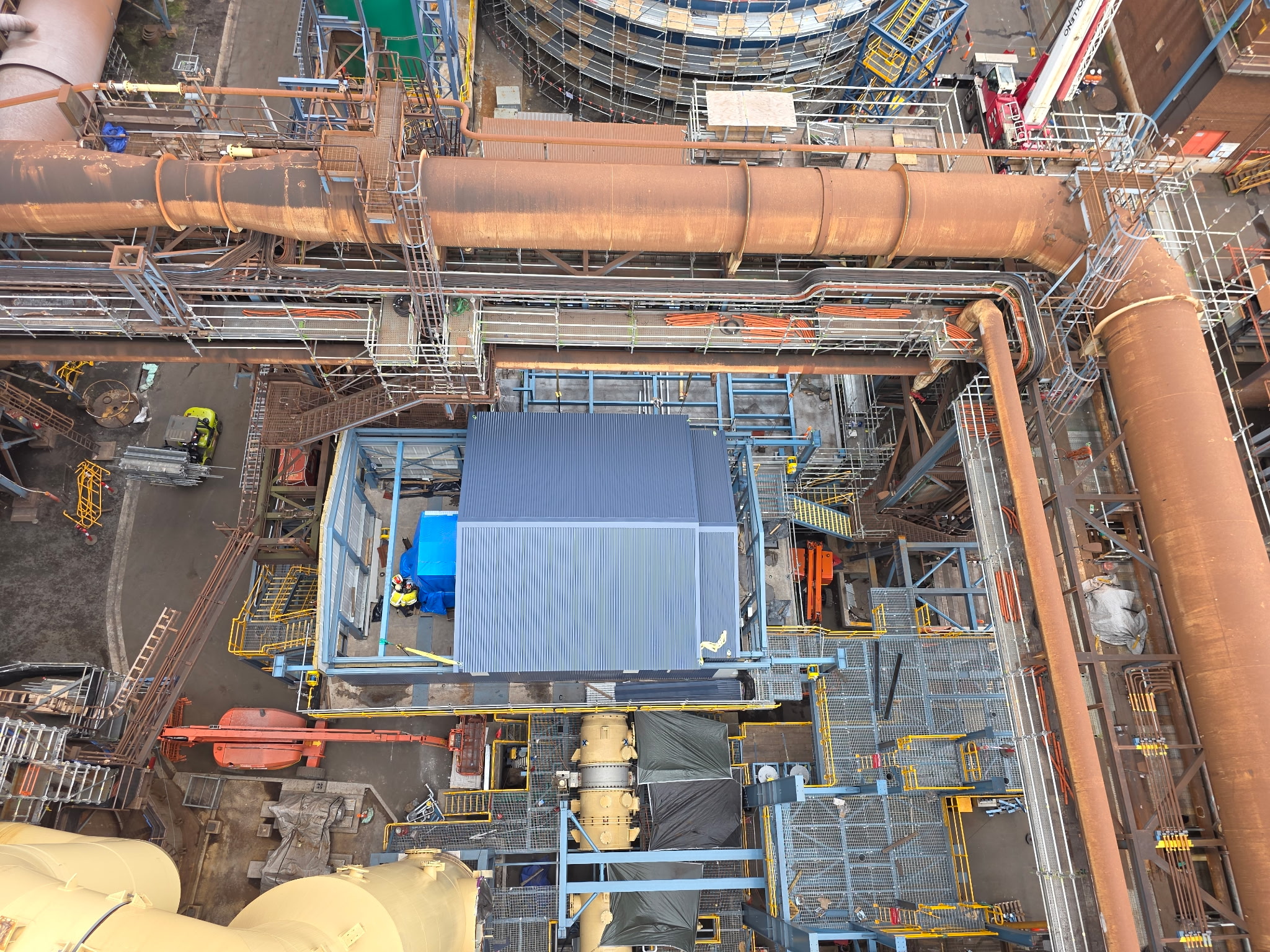
The most efficient industrial workshop noise control approach targets the loudest sources first. Acoustic enclosures around stationary machinery can significantly reduce airborne noise in the surrounding work area without restricting access for operation, material feed, or servicing.
Flexshield’s Sonic acoustic enclosures are designed for industrial machinery and can be configured to allow the access and ventilation required by particular equipment. Reducing noise at the machine level has a greater effect on the overall environment than treating surfaces downstream of the source.
Acoustic curtains for work area separation
For hand tool operations and trade workstations, Sonic acoustic curtains can create separation between active work areas and other parts of the facility. This is particularly useful in workshops where welding, grinding, and cutting operations take place alongside lighter assembly or inspection work.
Flexshield Sonic Curtain products are independently tested by the RMIT University Applied Acoustics Laboratory to AS 1191-2002 and AS/NZS ISO 717.1-2004 under NATA-accredited laboratory conditions. The 4kg Sonic Curtain achieves Rw 27dB, while the 6kg achieves Rw 30dB. Both provide proven airborne noise reduction across work areas without the permanence or cost of fixed walls.
Curtains can be configured to enclose individual bays, create separation between workstations, for welding bay noise control, or as full-height dividers along production areas. Because they can be retracted or repositioned, they suit workshops where production layouts change over time.
Sound absorption to reduce reverberation
Reducing noise at the source addresses direct exposure. But in hard-surfaced workshops with concrete floors and metal wall cladding, reflections add to the overall noise environment even after source treatment is in place.
Sound absorption panels reduce reverberation in industrial spaces by converting reflected energy into heat, rather than letting it bounce back across the floor. The 50mm Calando acoustic panel achieves NRC 1.00, meaning it absorbs across a wide frequency range. Adding absorption to wall and ceiling surfaces makes a meaningful difference to the general noise environment in workshops where multiple sources operate simultaneously.
Calando panels carry a Group 1 fire rating and Class A fire performance, which is relevant in fabrication environments where hot work and material handling are present. These acoustic panels for workshops also meet ASTM G21-15 mould resistance testing, which matters in facilities with variable humidity or wash-down requirements.
Layout and zoning as part of an industrial workshop noise control strategy
Workshop layout has a significant effect on how many workers are exposed to peak noise levels. Grouping the loudest operations together and separating them from areas where quieter work takes place limits exposure across the facility.
Where layout changes aren’t practical, acoustic curtain partitions can create defined work zones without the need for permanent construction. This is useful in workshops where production layouts change, or where specific operations require temporary separation.
Talk to the industrial workshop noise control experts
Whether you’re planning a new build or a significant refurbishment to your facility, incorporating acoustic planning into the layout from the design stage is more cost-effective than retrofitting treatment after the facility is in use. A combination of source treatment, area separation, and absorption gives the best overall result.
We’ll make sure it’s built right from the start. Contact Flexshield on 1300 799 969 or get in touch online.
Proudly built by Flexshield Group
Designed to perform. Built to last.