Managing generator noise before complaints slow down the project
Generators are a standard part of many Australian worksites. They keep temporary facilities running, support remote operations, and provide backup power where permanent infrastructure is not yet available.
But they are also one of the most common sources of site noise complaints.
Mechanical noise, low-frequency vibration, exhaust output, and continuous operation can all create issues for nearby businesses, residents, and project stakeholders. On large projects, generator noise can affect relationships with neighbouring contractors and adjoining developments. When complaints escalate, project teams can face restrictions on operating hours, pressure from councils, or additional compliance requirements that were not anticipated during planning.
Why generator noise becomes a problem quickly
Generators often operate for extended periods, particularly during commissioning phases, shutdowns, infrastructure upgrades, and temporary works.
Unlike short-duration construction activity, they create consistent background noise that surrounding areas find difficult to ignore. The problem is compounded when generators are placed near boundary lines, site offices, pedestrian zones, or neighbouring properties.
Open work environments allow noise to travel further than expected, especially at night or when ambient conditions are low. For project teams already managing tight programmes and multiple contractors, reactive noise complaints add another layer of operational pressure.
Acoustic barriers can help reduce exposure
Managing generator noise is not simply about placing equipment further away. Space constraints on many sites make relocation difficult or unrealistic.
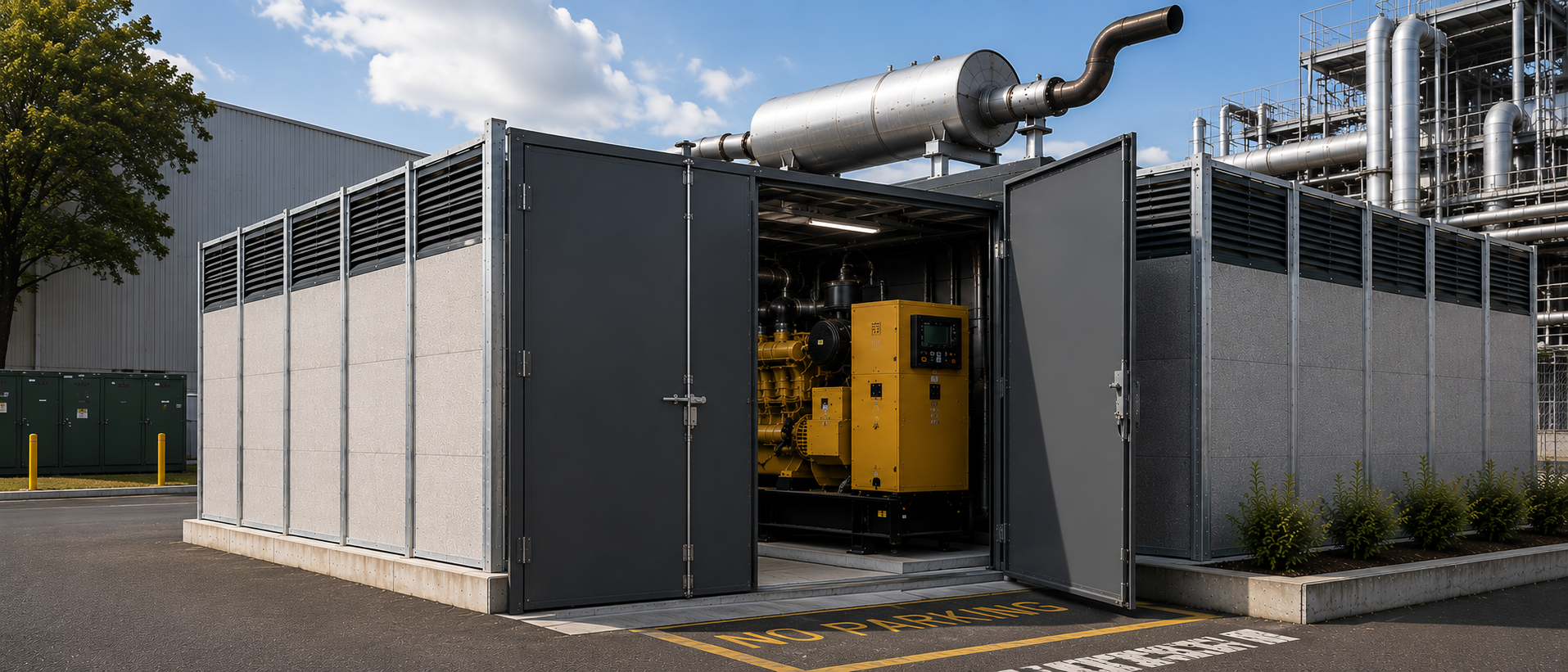
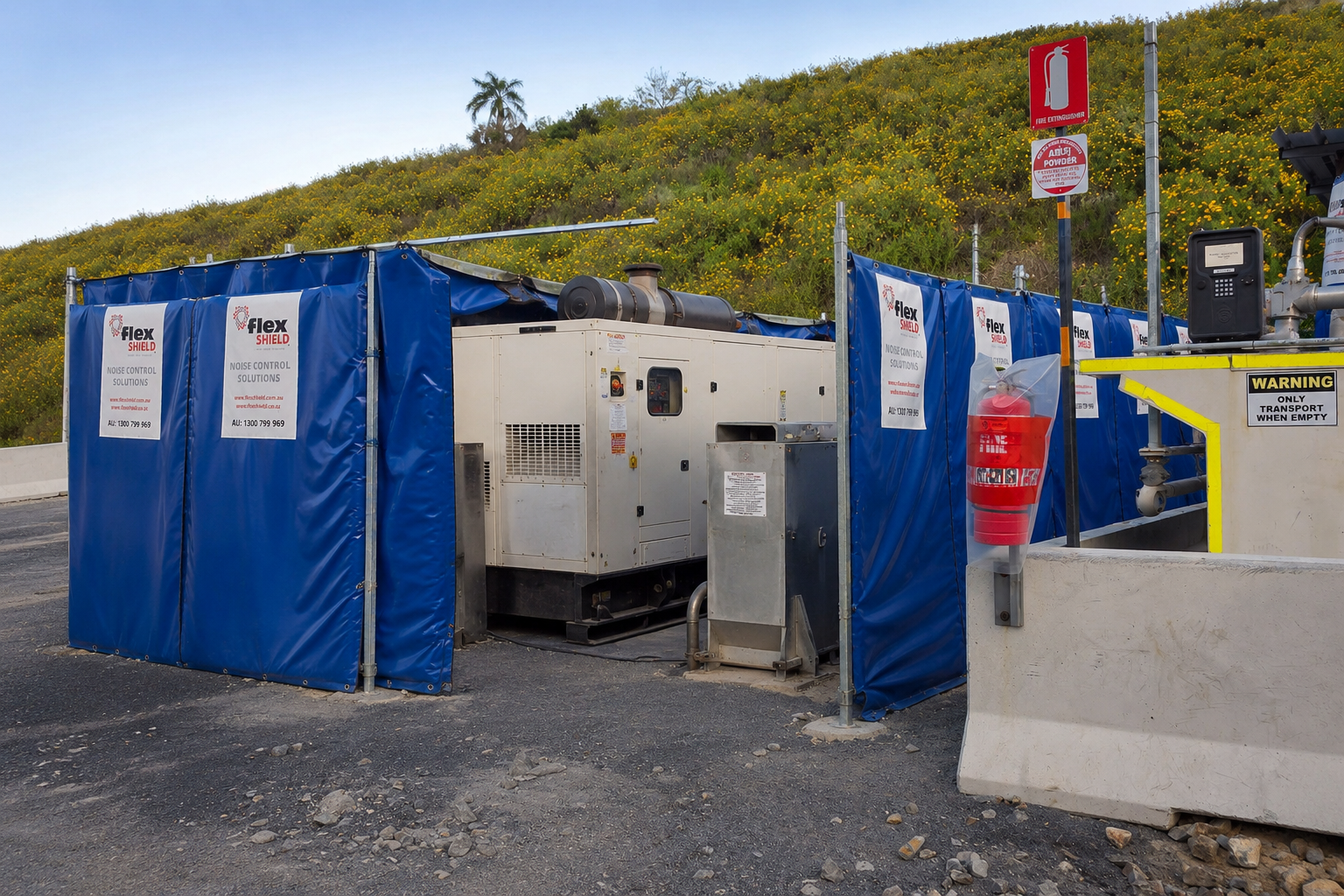
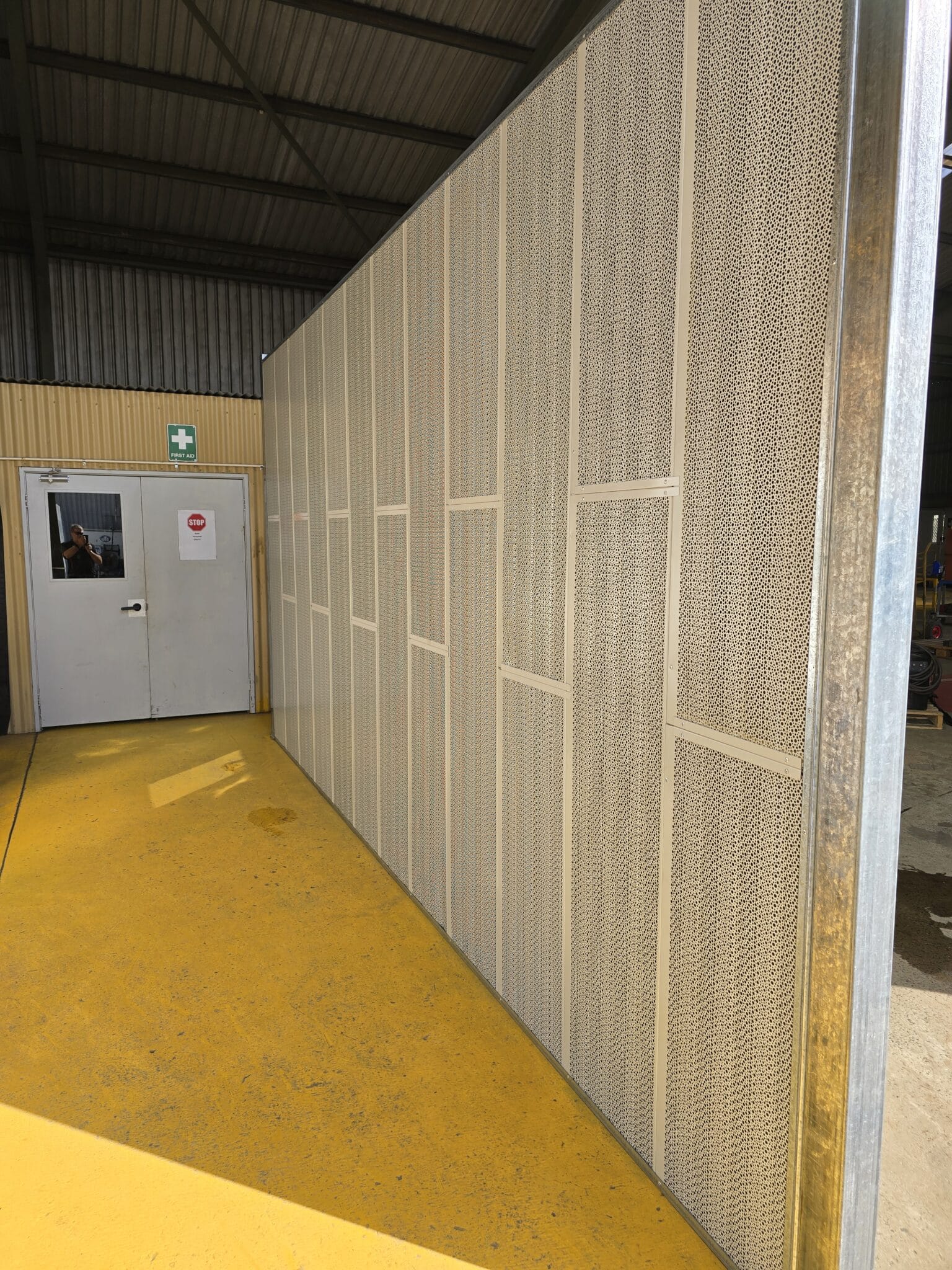
Flexshield’s Sonic System acoustic modular panels can be configured around generator compounds and temporary power areas to reduce noise transfer while maintaining access for servicing and refuelling.
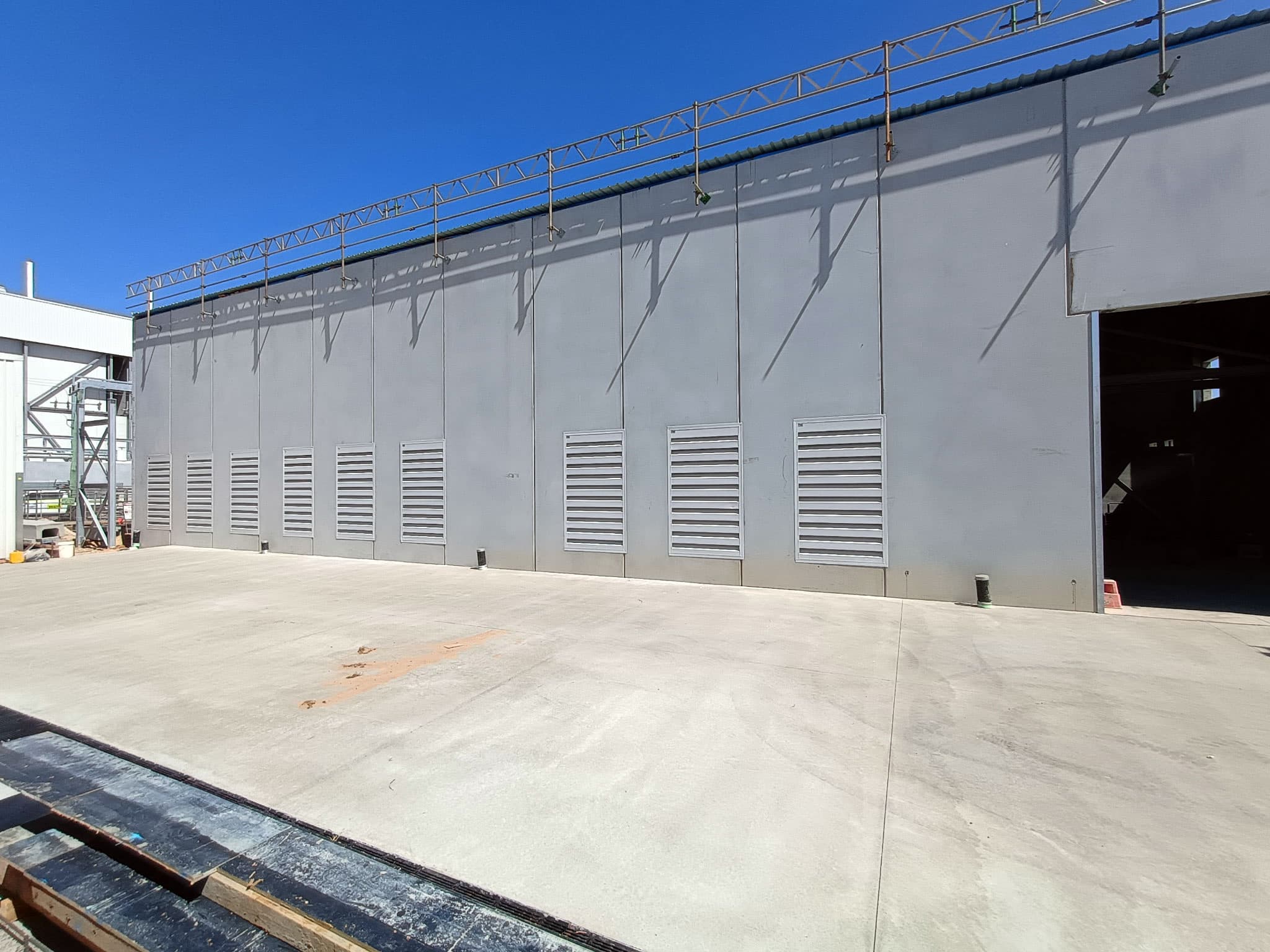
For applications involving ventilation openings or mechanical airflow, Sonic Series acoustic louvres help manage breakout noise while supporting airflow requirements. This allows project teams to manage operational noise without compromising equipment performance.
Compliance pressure is increasing across project sites
Noise management expectations are becoming more stringent across construction, infrastructure, and industrial projects throughout Australia.
Large projects are now operating closer to residential developments, transport corridors, healthcare facilities, and commercial precincts than ever before. Temporary generator setups that may once have been accepted can attract complaints much sooner.
Councils, principal contractors, and environmental consultants are paying closer attention to operational noise impacts, especially on projects involving night works or extended operating hours. Planning acoustic treatment early reduces the likelihood of complaints disrupting operations later.
Planning ahead reduces reactive spending
Generator noise is often addressed after complaints begin. By that stage, projects are usually working against time, budget pressure, and operational limitations.
Planning acoustic infrastructure early allows sites to maintain greater control over layouts, access requirements, and compliance obligations. It also creates a more professional and organised project environment for workers, neighbouring businesses, and stakeholders.
Flexshield provides engineered acoustic products designed for demanding industrial and infrastructure conditions across Australia. The focus is straightforward: build infrastructure that performs reliably and holds up under real project conditions.
Contact Flexshield on 1300 799 969 or get in touch online.
Proudly built by Flexshield Group.
Designed to perform. Built to last.