Keeping rail projects compliant without slowing down progress
Rail infrastructure projects present a unique set of noise challenges. From early-stage piling and excavation through to ongoing rail movement, generators, cutting, and grinding, project teams are often working close to residential areas, commercial precincts, schools, and live transport corridors.
For contractors, project managers, and infrastructure teams, managing railway noise pollution is about more than meeting environmental requirements. When handled well, it helps maintain project momentum, reduce community complaints, protect workers, and support approvals across the life of the infrastructure project.
Why railway noise pollution attracts scrutiny
Large-scale rail works are rarely isolated from surrounding communities. Even regional projects can affect nearby businesses, residences, and operational infrastructure.
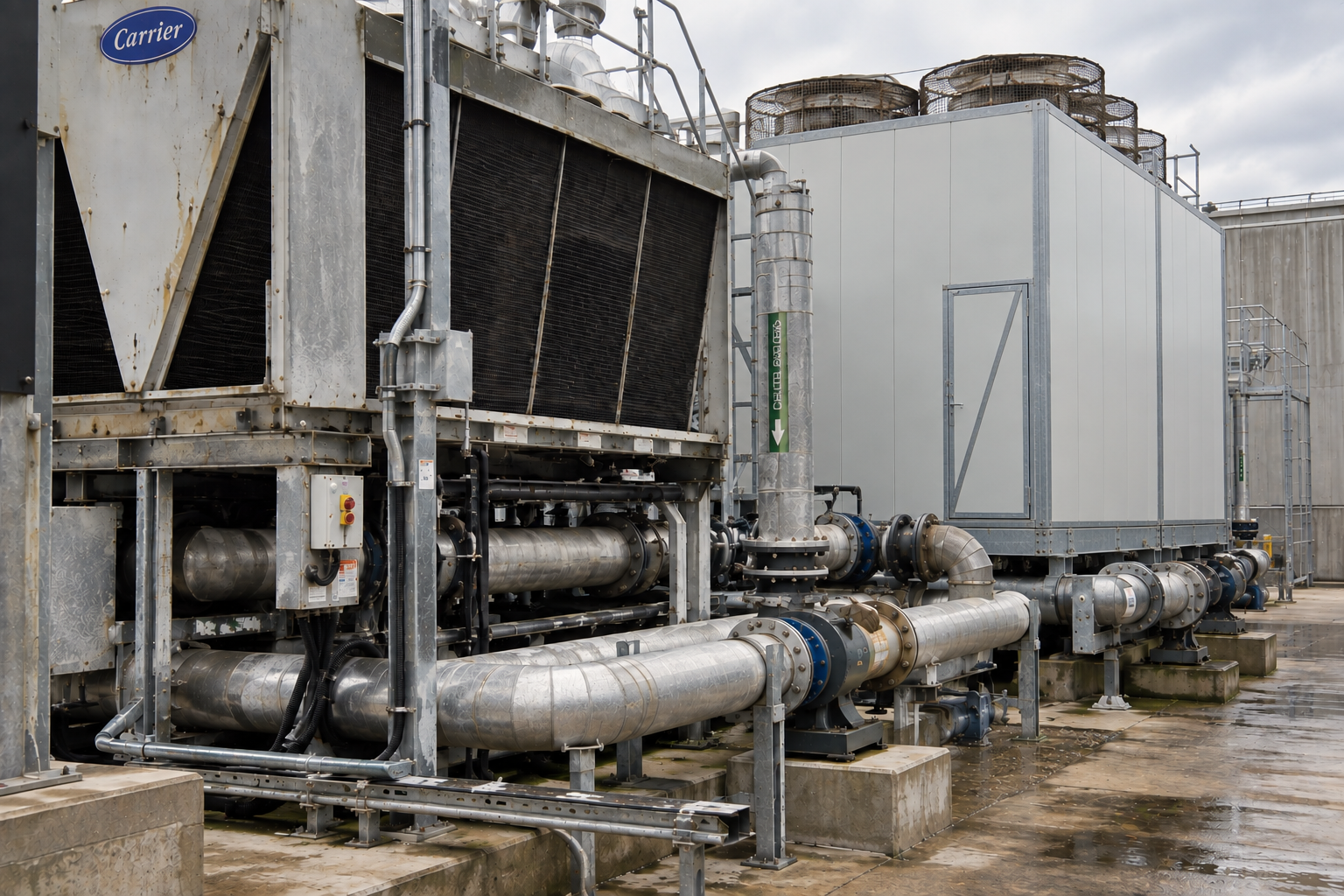
The noisiest activities on rail projects typically include concrete saw cutting, rail grinding, piling works, generator and compressor operation, and temporary site compound activities. Ventilation and plant equipment are also common contributors, along with heavy vehicle movement throughout the project.
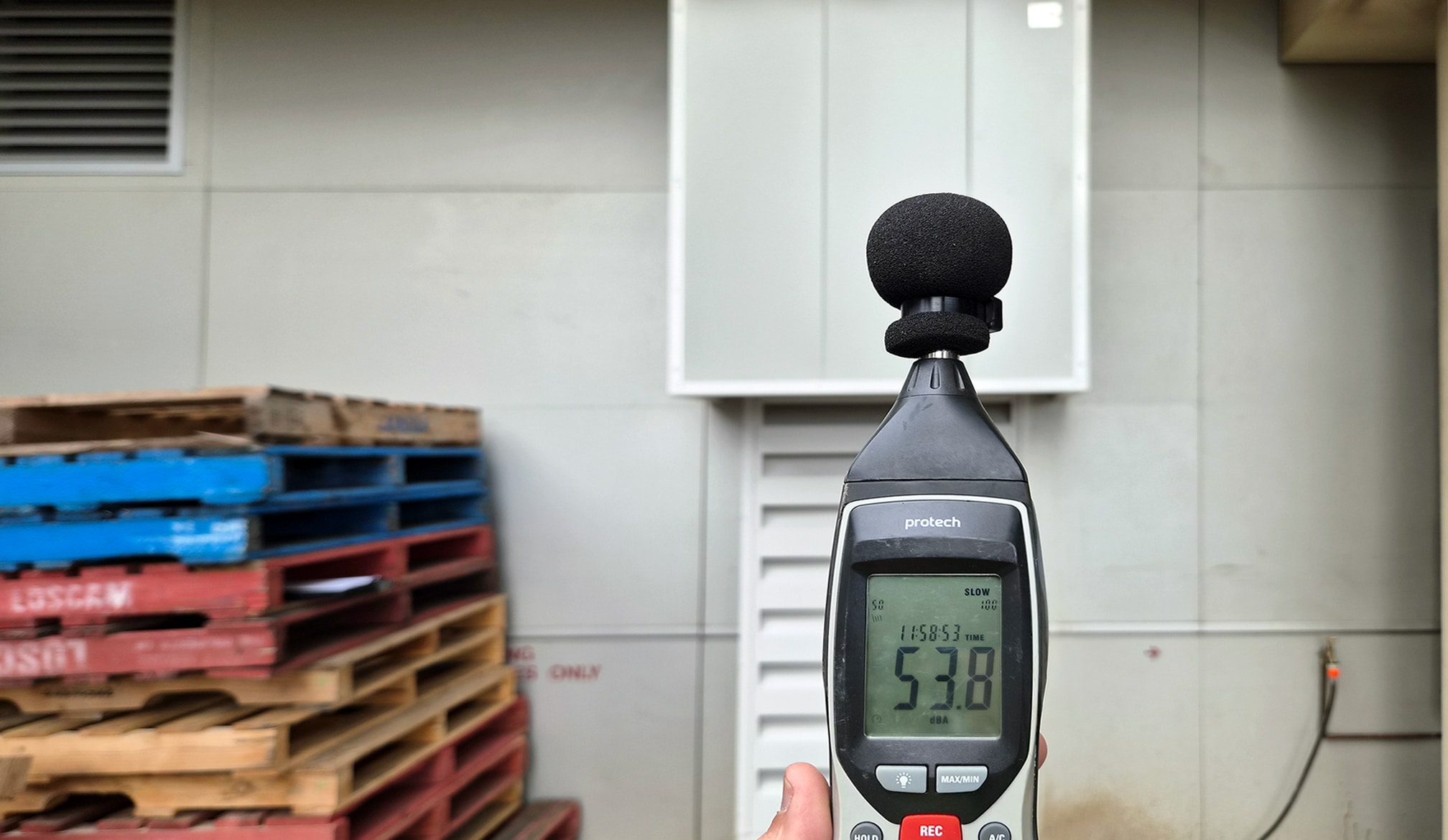
Noise monitoring requirements are often strict, particularly during night works and shutdown periods where contractors are operating under compressed timelines. Without proper planning, excessive railway noise pollution can lead to community complaints, work stoppages, environmental non-compliance, and delays that place pressure on already tight schedules. For many infrastructure contractors, the challenge is maintaining productivity while meeting compliance obligations.
Using acoustic barriers around rail works
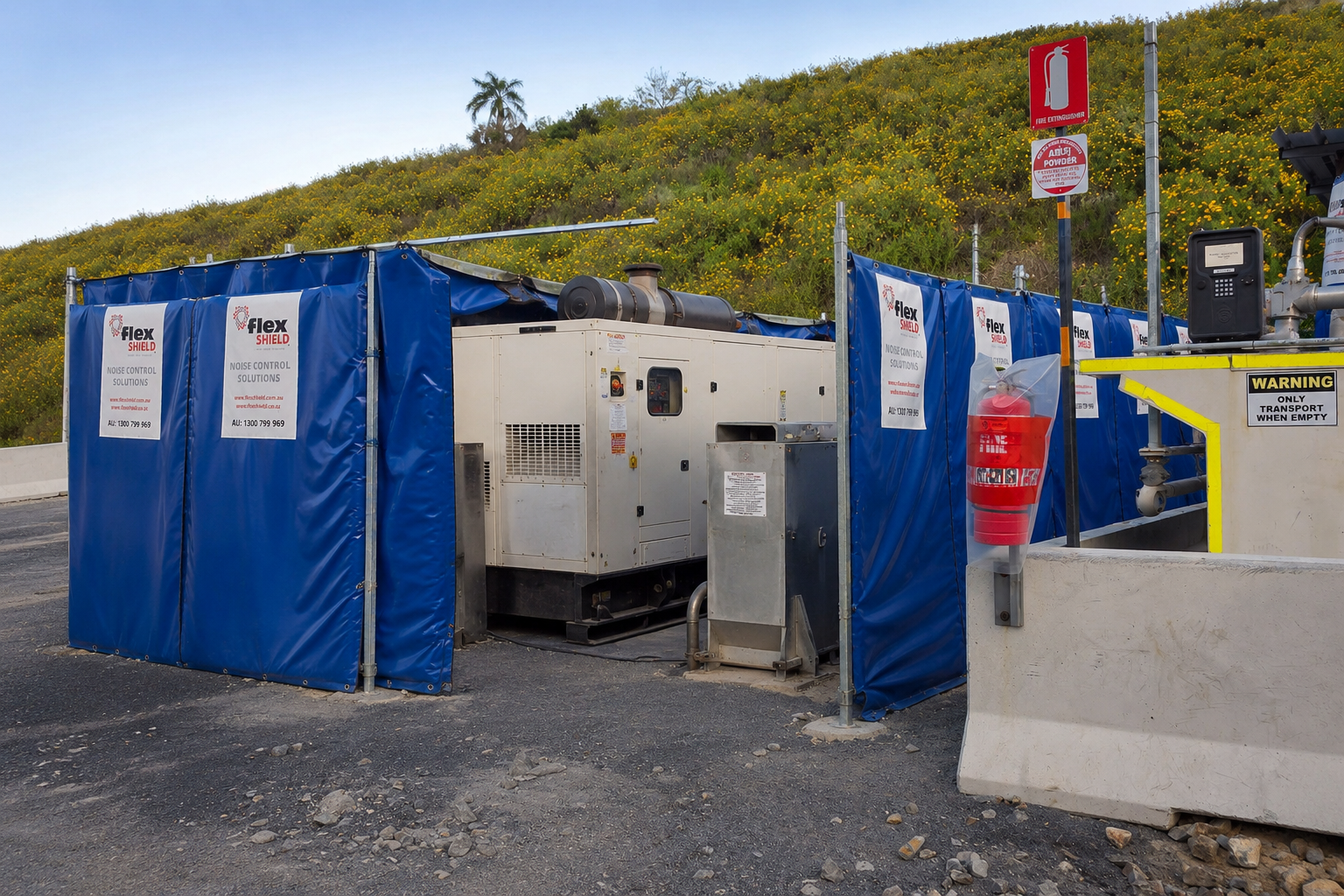
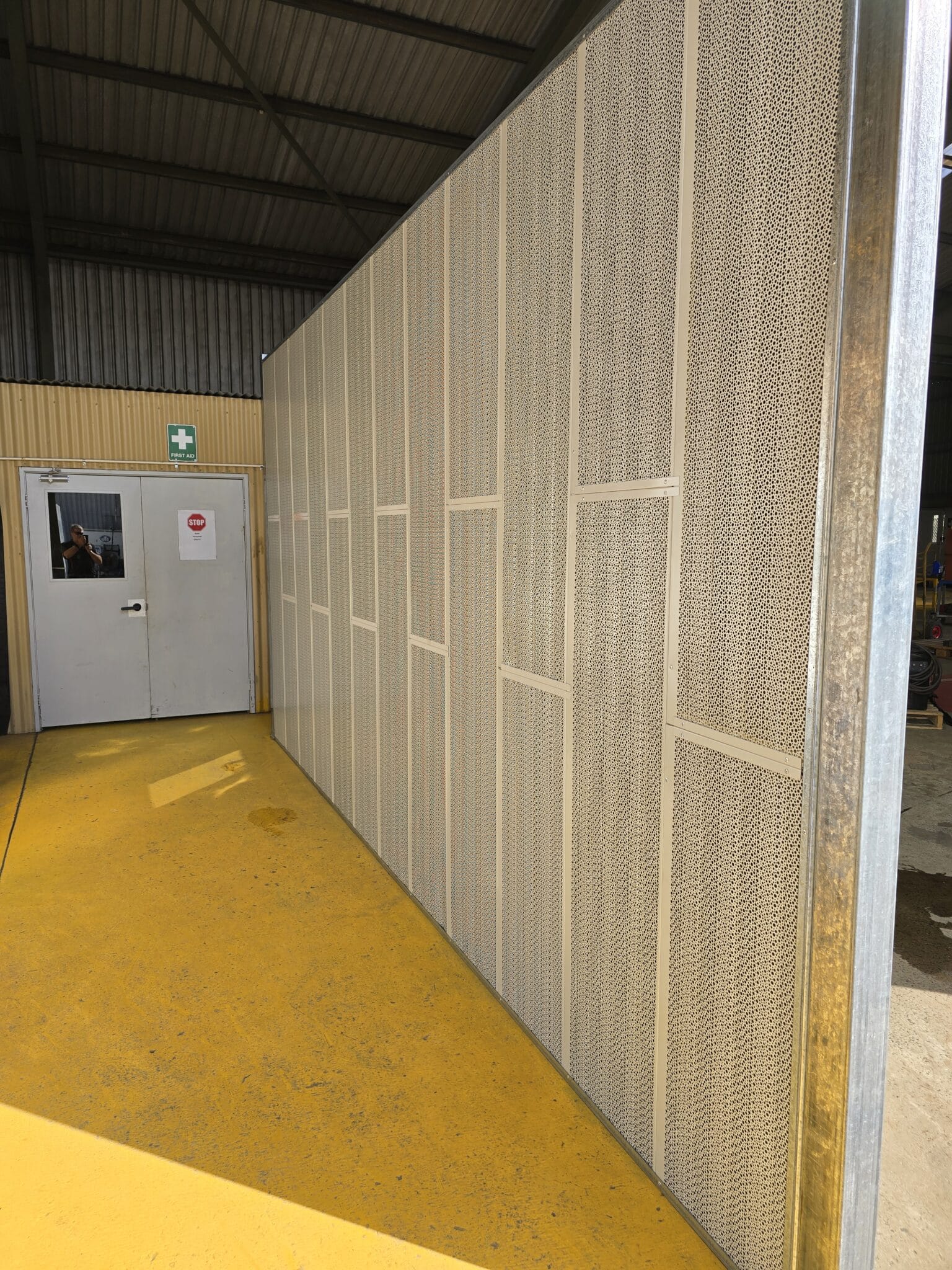
Temporary and semi-permanent barriers are widely used to reduce the spread of noise from active work zones. Modular barrier systems allow project teams to isolate noisy activities without restricting access or slowing workflow. This is particularly useful around rail maintenance compounds, generator areas, trackside work zones, temporary fabrication areas, and ventilation equipment.
Flexshield Group acoustic modular panels are designed for infrastructure environments where durability and flexibility matter. Their modular format allows teams to configure barrier layouts around changing site conditions, while maintaining strong acoustic performance across the life of the infrastructure project.
Managing airflow without compromising noise control
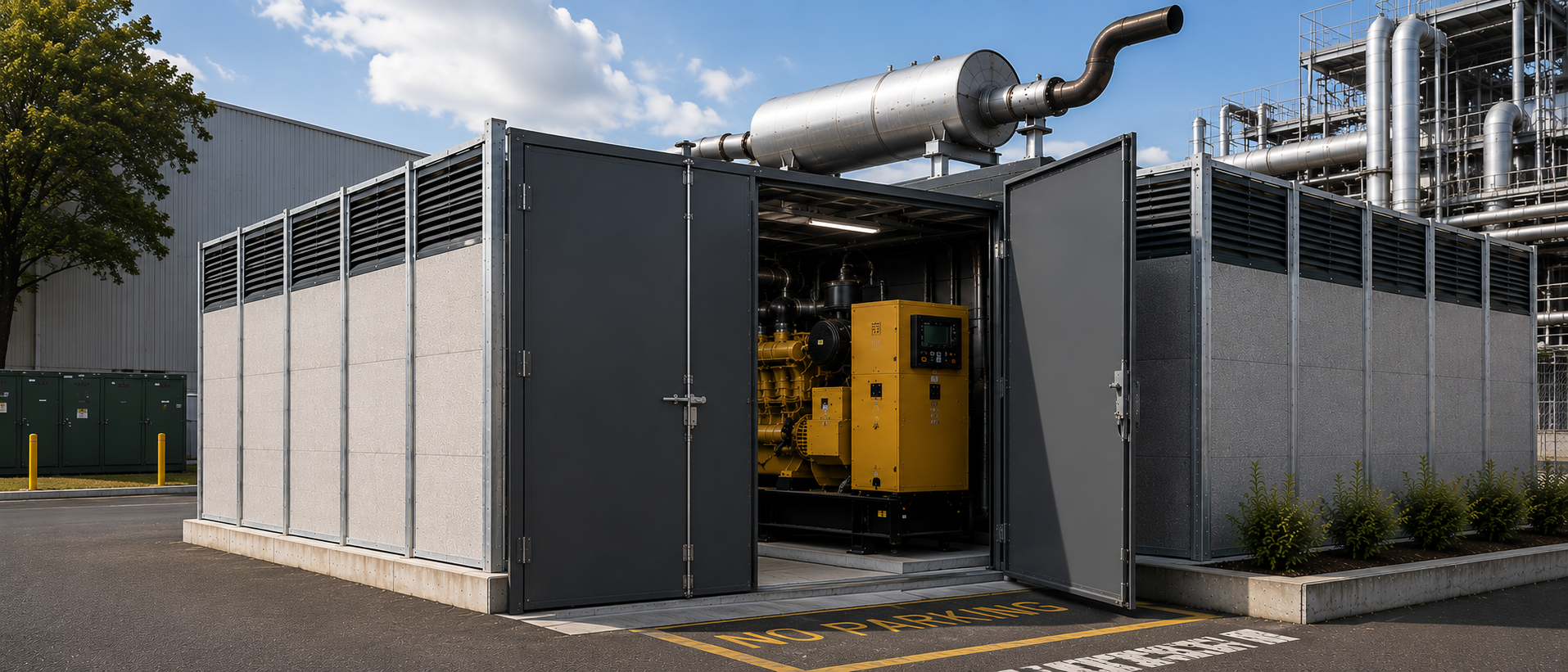
Infrastructure projects often require equipment that needs continuous airflow. Generator compounds, electrical infrastructure, switch rooms, and ventilation systems all create a balancing act between cooling requirements and noise reduction.
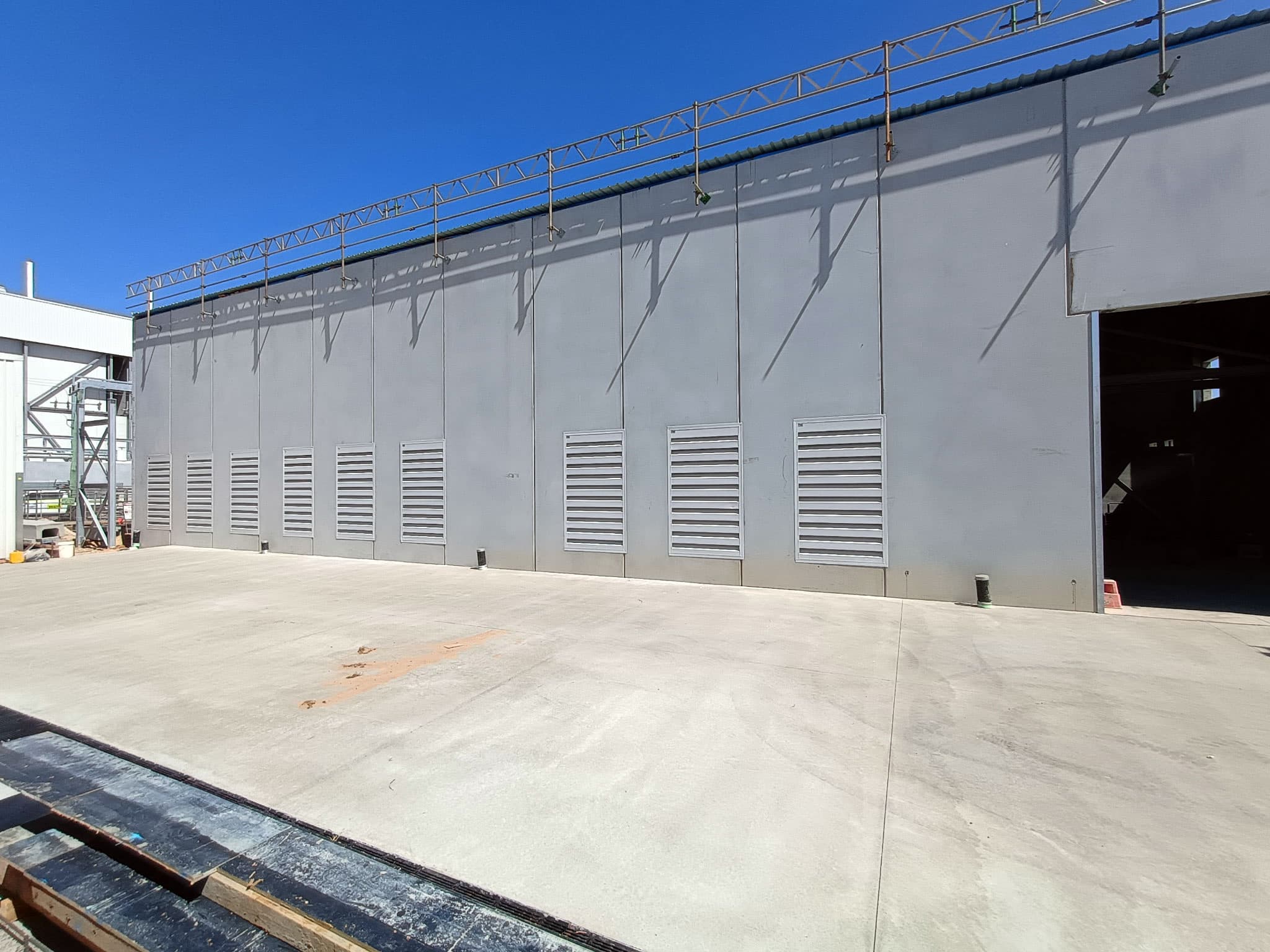
Acoustic louvres help address this need directly. Flexshield Group acoustic louvres reduce breakout noise while still allowing airflow through plant rooms and infrastructure enclosures. They are commonly specified for rail substations, ventilation buildings, generator enclosures, and mechanical plant areas where ongoing airflow cannot be restricted.
Planning early for controlling railway noise pollution
The best project outcomes usually come from involving noise control measures early in the planning stage. When acoustic products are considered during site establishment and project design, teams can position noisy equipment more strategically, reduce the likelihood of rework later in the project, and improve site safety and access.
Early planning also supports smoother approval processes and helps minimise disruption to nearby communities. It also allows contractors to select products that are suited to the specific environment, exposure conditions, and expected project duration, rather than specifying under time pressure later on.
Built for infrastructure conditions
Rail and infrastructure projects place heavy demands on materials. Products exposed to dust, weather, vibration, and continuous movement need to withstand real site conditions over extended periods.
At Flexshield Group, our acoustic products are designed for industrial environments where reliability and long-term performance are expected from day one. We work with contractors, engineers, and infrastructure teams across Australia to deliver practical noise control products that are suited to demanding project conditions.
We’ll make sure it’s built right from the start. Contact Flexshield on 1300 799 969 or get in touch online.
Proudly built by Flexshield Group
Designed to perform. Built to last.