Managing equipment noise before it becomes a project delay
Solar farms are often associated with clean energy and remote locations, but that does not mean noise is ignored during planning and approvals.
As projects expand across regional and semi-rural areas, developers face increasing scrutiny around operational noise from substations, inverters, transformers, battery storage, and mechanical equipment. Community expectations are shifting. Councils are paying closer attention to environmental impacts. Nearby developments that once seemed isolated may not remain that way for the life of the project.
Noise management is becoming an important part of solar farm planning long before construction begins.
Where solar farm noise typically comes from
Solar panels produce no noise, but supporting infrastructure often does.
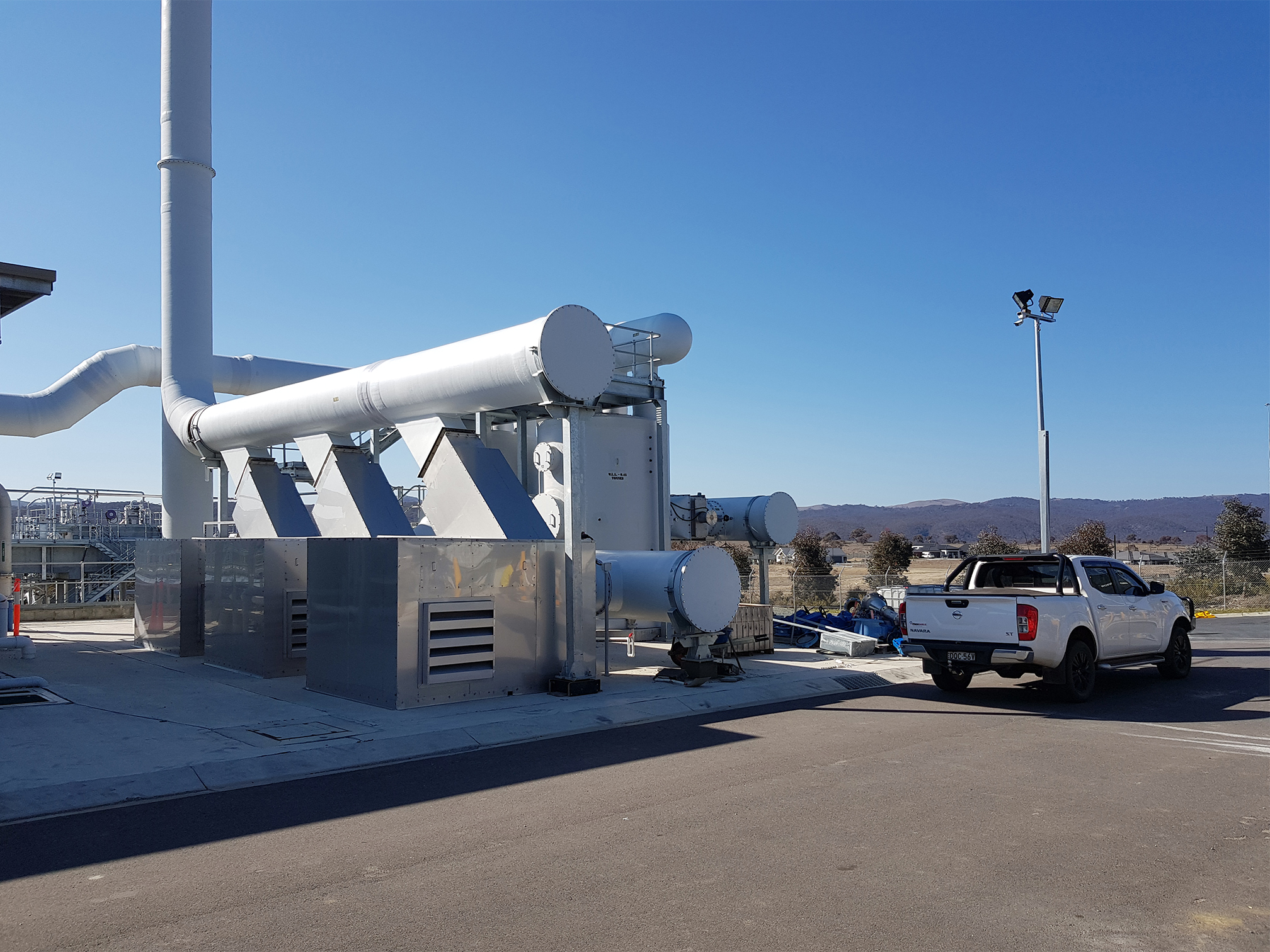
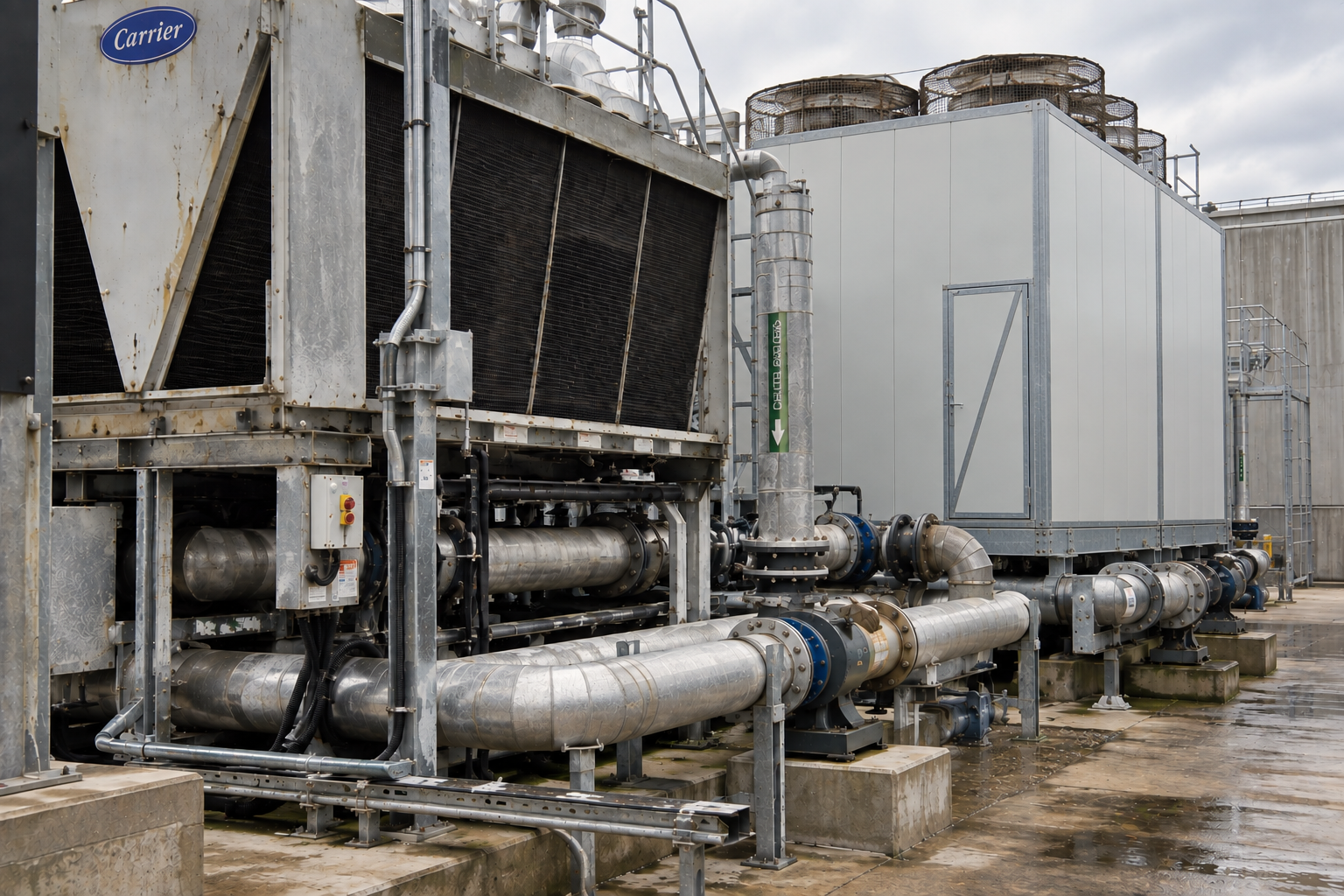
Inverters and transformers can create tonal hums that travel across open land. Battery energy storage relies on cooling equipment and ventilation that generates mechanical noise. Substations and switchgear compounds also contribute to ongoing operational noise levels.
Because solar farms are typically located in open environments with limited natural screening, noise travels further than expected. Night-time conditions make equipment more noticeable, especially where background environmental noise is low.
For project teams, the challenge is not simply meeting modelling targets on paper. It is ensuring the site continues operating without complaints once infrastructure is live.
Acoustic treatment should be part of the design process
Retrofitting noise control infrastructure after commissioning can be expensive and disruptive. That is why acoustic planning is increasingly considered during early design stages.
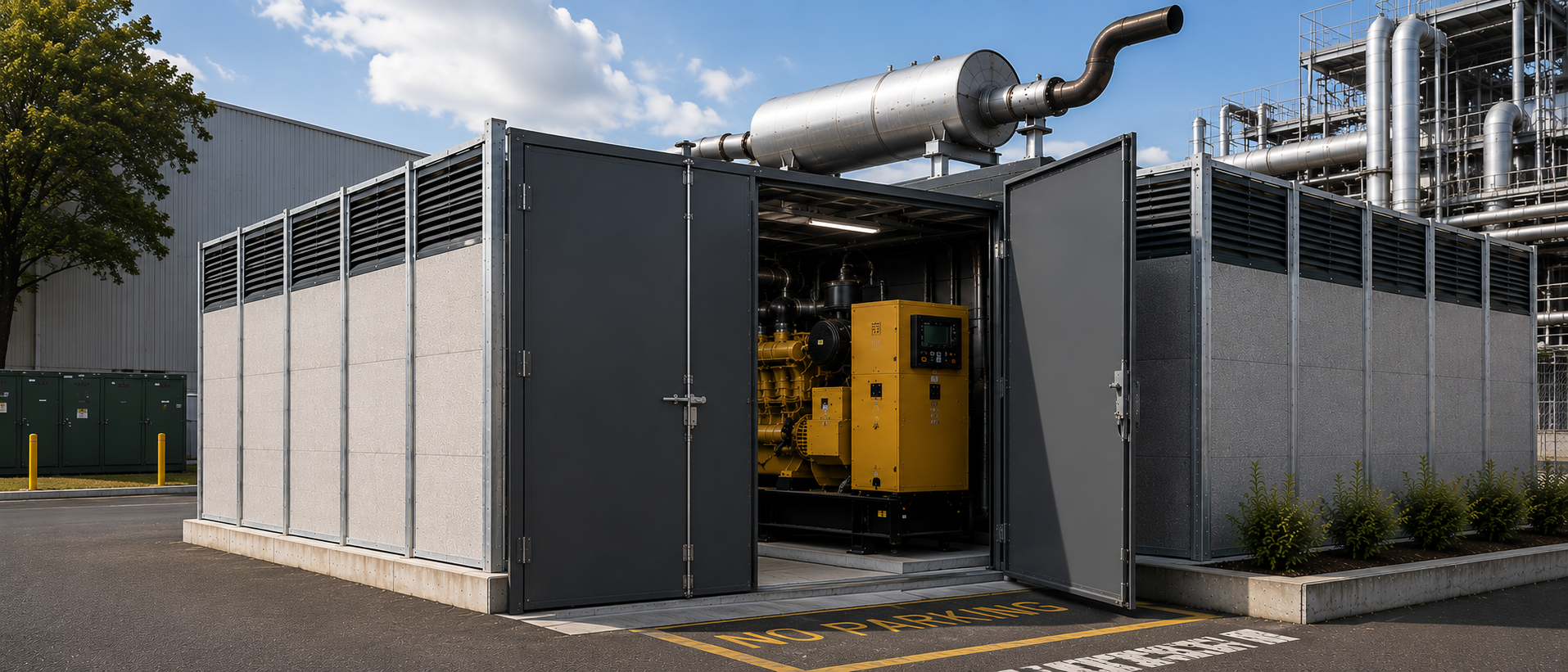
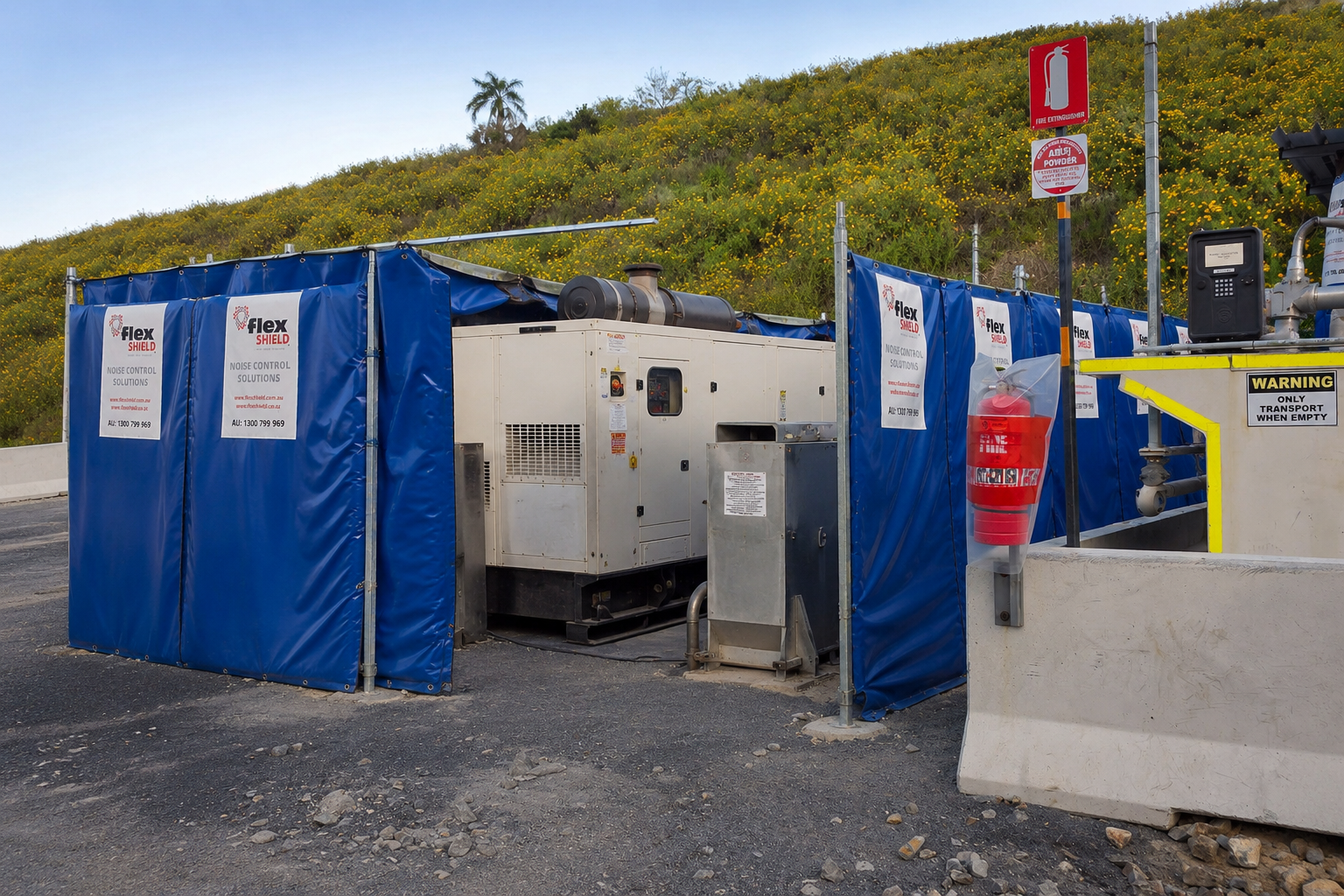
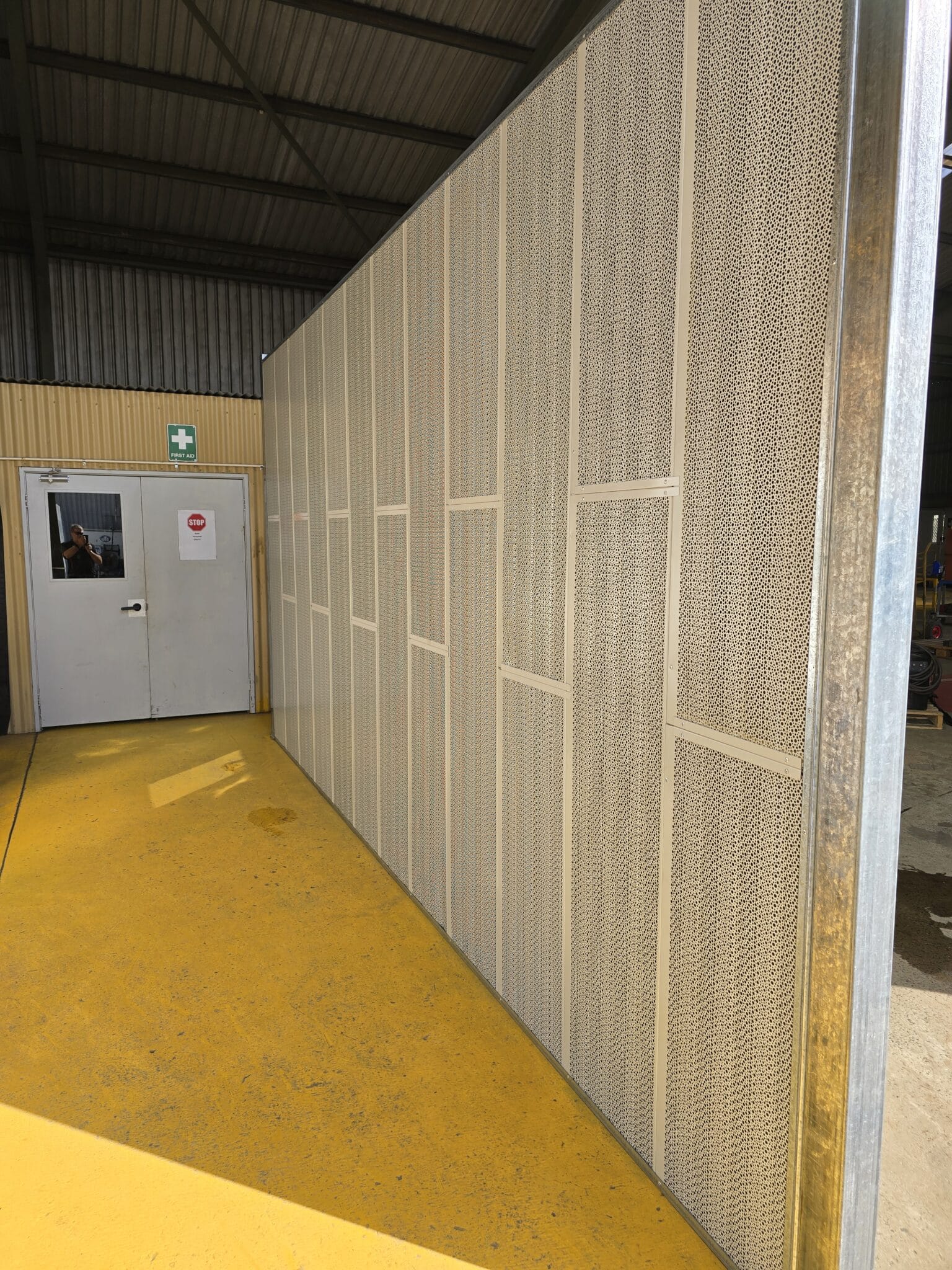
Engineered acoustic barriers can reduce noise transfer from inverter stations, battery compounds, substations, and mechanical plant areas before issues escalate.
Flexshield’s Sonic System acoustic modular panels are well suited to acoustic screening around external infrastructure while maintaining flexibility for maintenance access and future expansion.
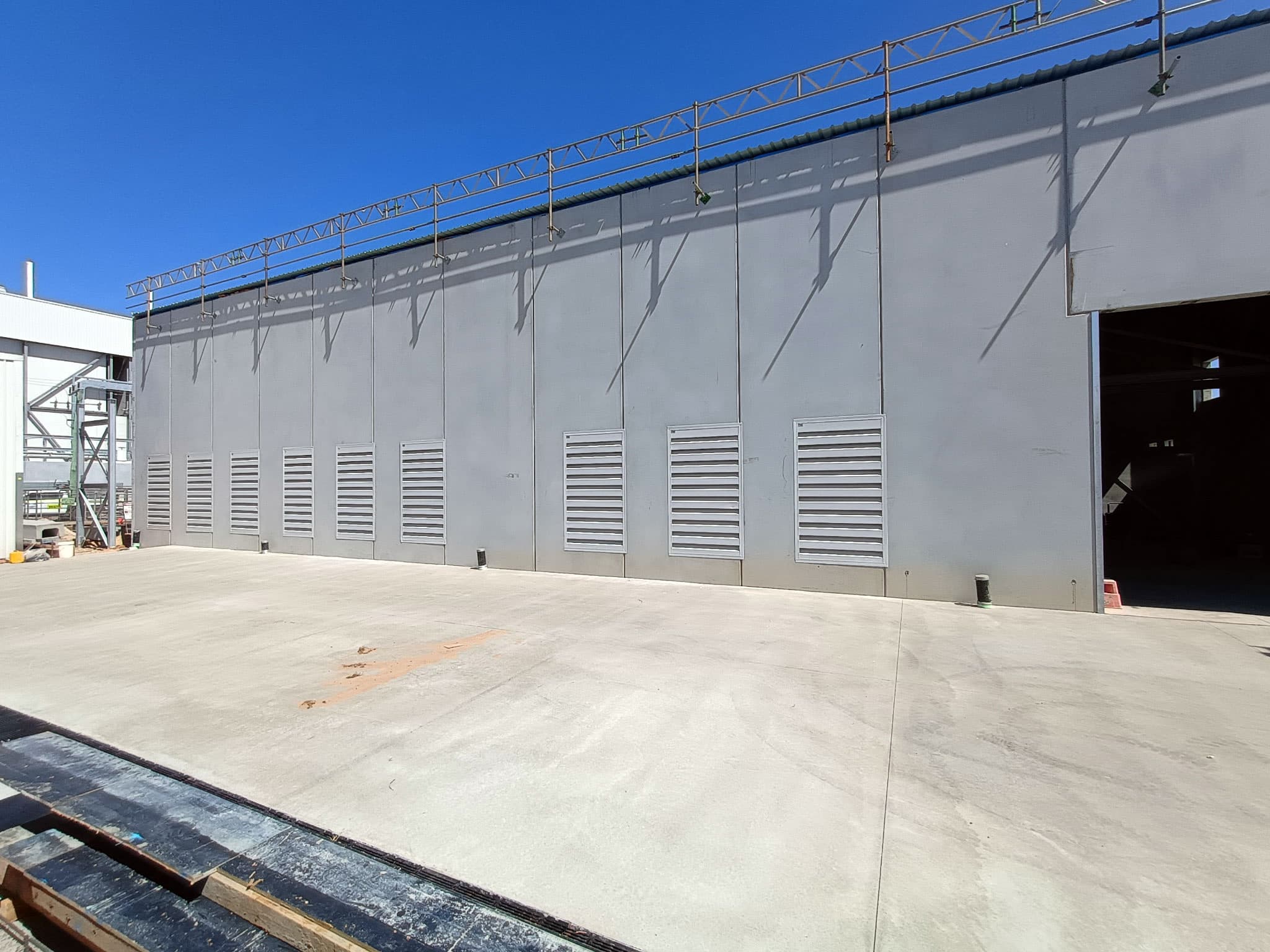
For areas requiring airflow and ventilation control, Sonic Series acoustic louvres help reduce breakout noise without restricting operational performance. This is important around battery storage infrastructure where ventilation requirements remain a key consideration.
Approvals are becoming more detailed
Environmental approvals for renewable energy projects continue evolving across Australia. Acoustic assessments are now commonly included within planning submissions, with councils and stakeholders expecting evidence that operational impacts have been considered properly.
Noise modelling often forms part of the approval process, especially for projects located near rural dwellings, roads, or developing communities. If acoustic treatment is left until late in the project, redesign costs and approval delays can follow.
By incorporating engineered acoustic infrastructure early, developers can provide greater confidence during approvals and reduce the likelihood of future compliance pressure.
Long-term performance matters
Solar farms are built for long operational lifespans. Acoustic infrastructure needs to handle harsh Australian conditions while maintaining performance over time.
Heat, weather exposure, dust, and maintenance access all place pressure on external infrastructure. Lightweight screening or poorly engineered barriers may not hold up across a 25-year asset life.
Flexshield works with industrial and infrastructure projects across Australia to deliver engineered acoustic products built for demanding environments. For solar farm operators, that means infrastructure designed not just for approvals, but for long-term operational confidence.
Contact Flexshield on 1300 799 969 or get in touch online.
Proudly built by Flexshield Group.
Designed to perform. Built to last.