Better outcomes through getting noise, airflow and separation right
Different industries, different applications, different risks – but so often, the same underlying issue.
Most site challenges aren’t caused by a single failure. They often start as an afterthought, something added late, or assumed to be ‘good enough’.
Noise, airflow, screening and separation tend to be ignored until they become a problem. When that happens, the consequences are rarely just technical.
Responsibility often circles back, especially in HVAC projects where the mechanical contractor is expected to have the answers. The system meets airflow targets, commissioning is signed off, but then complaints start.
Noise control that stands up in the real world of Australian industry
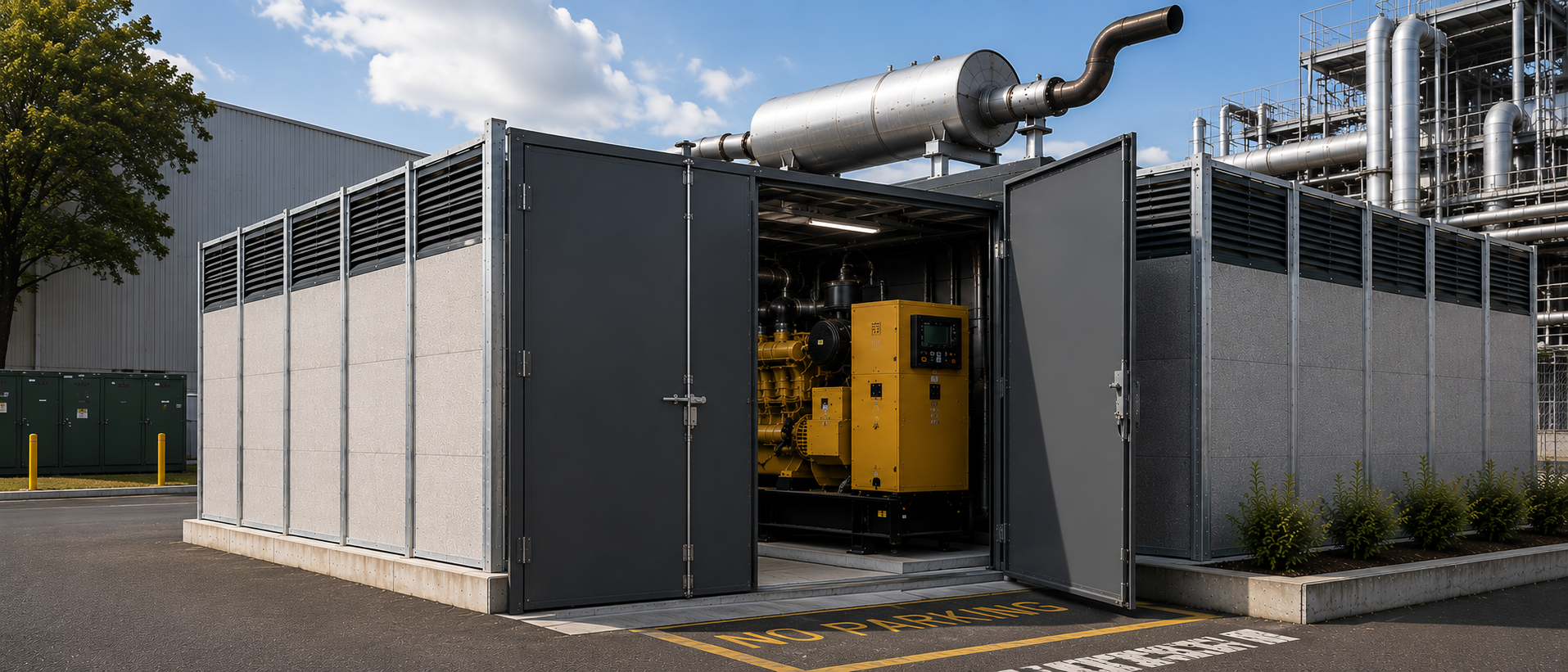
Noise travels further than expected. A boundary is affected. A plant room carries noise into adjacent spaces. On paper, the noise control solution worked. On-site, it didn’t. That gap between design intent and real-world performance is where rework, delays and pressure begin.
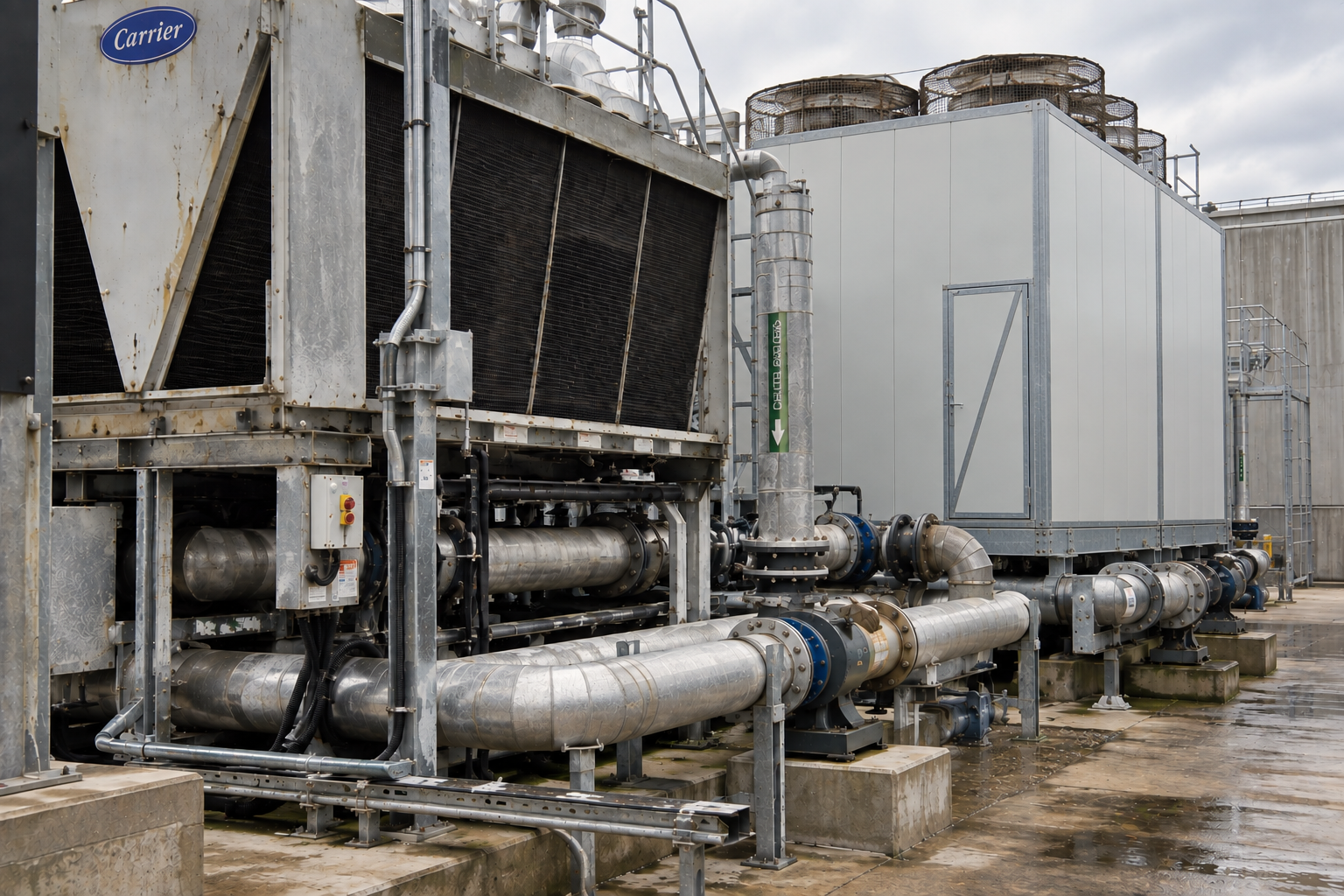
The same thing plays out in data centres. High-density cooling, continuous operation, stacked redundancy – small assumptions turn into bigger problems. Noise is no longer a background matter; it becomes a compliance risk that never takes a break.
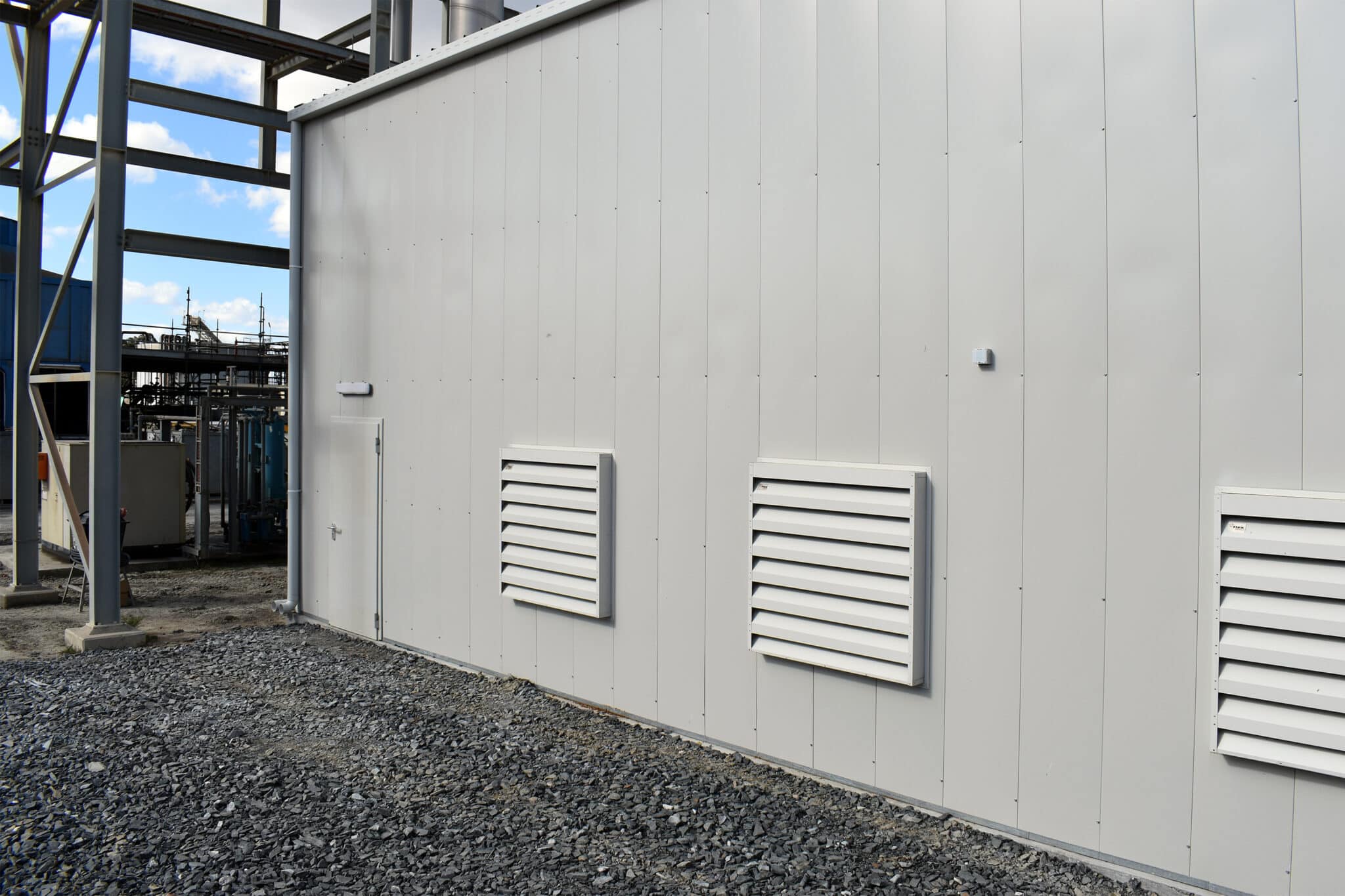
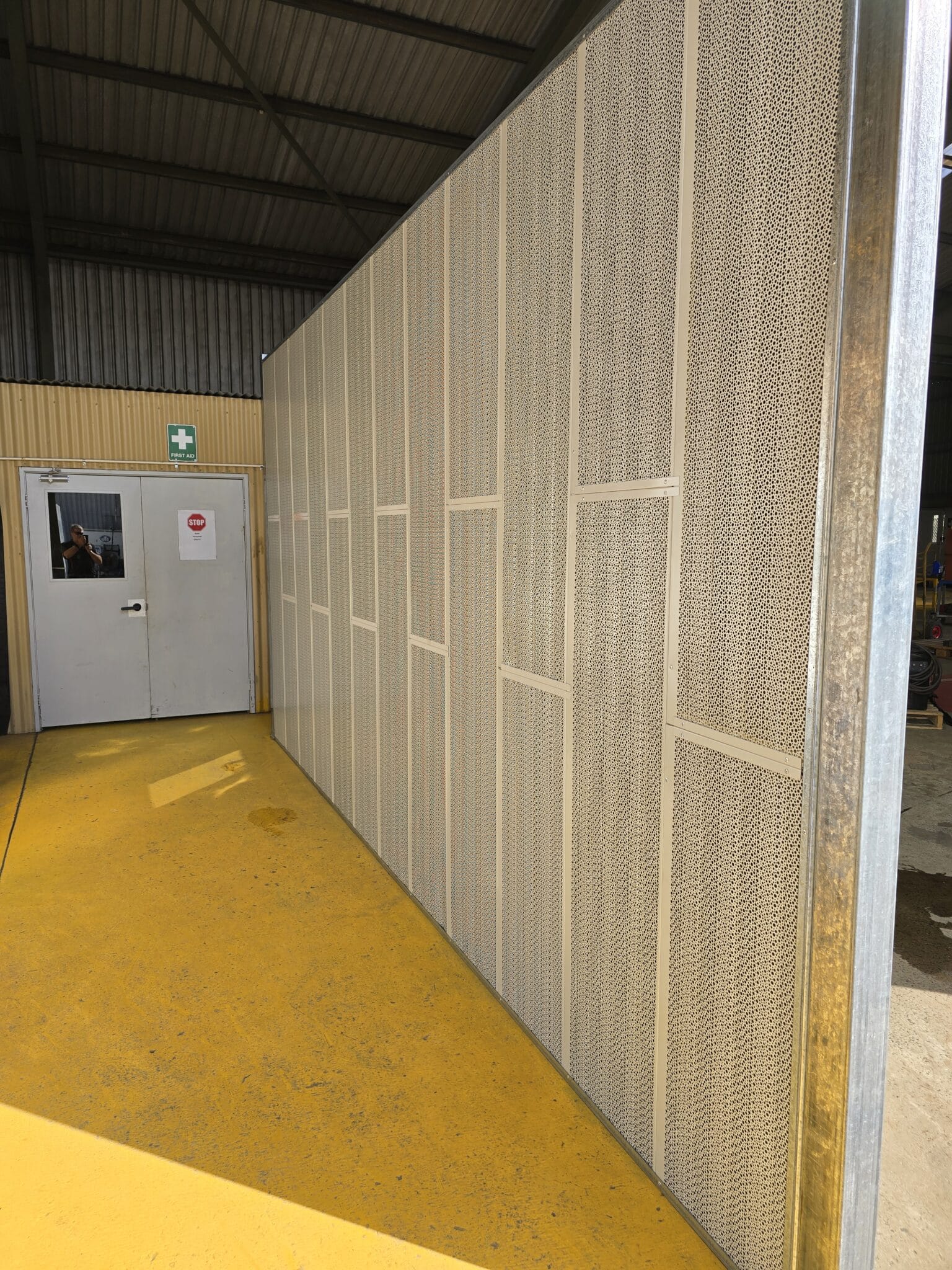
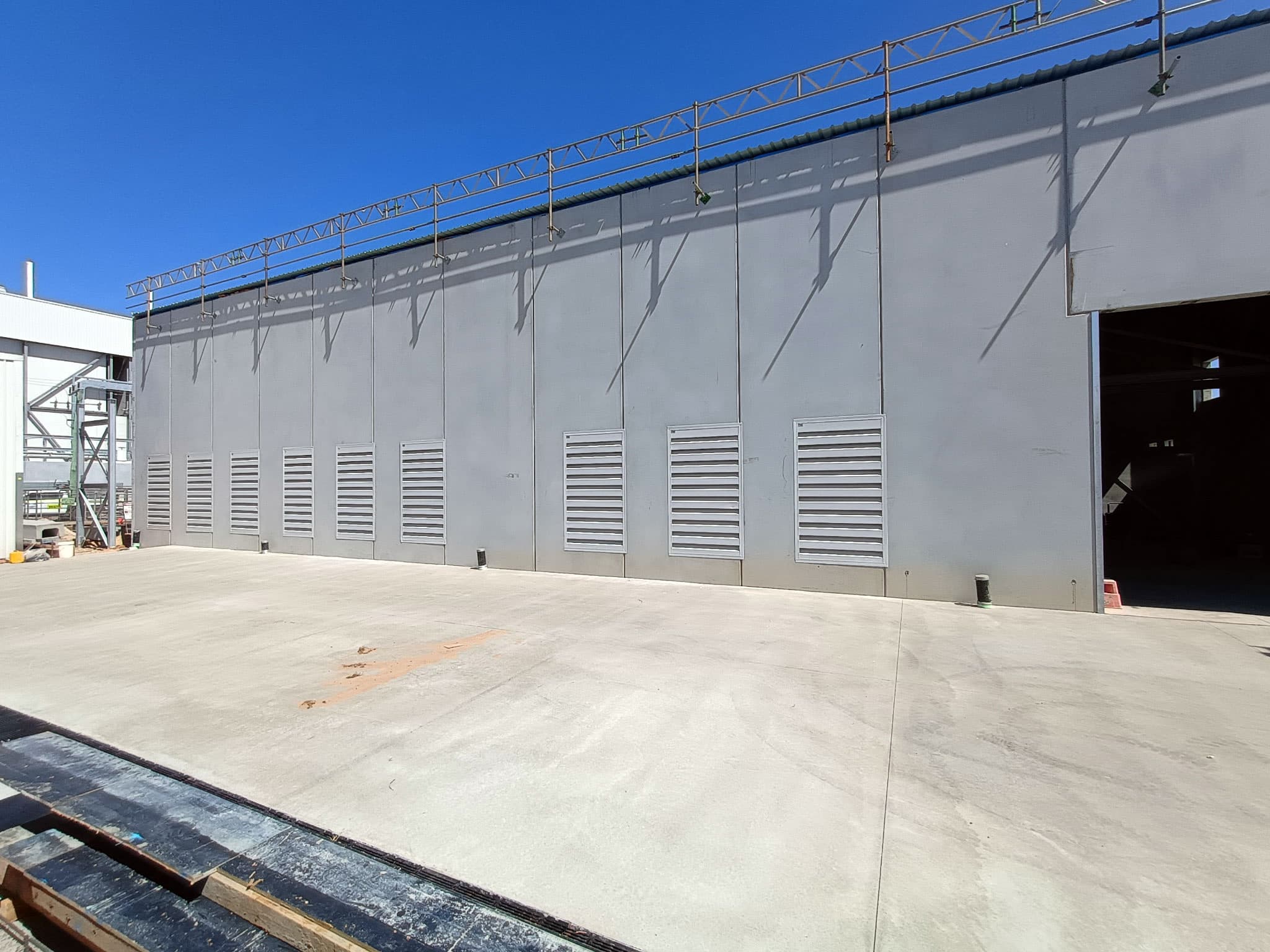
What looks fine often isn’t. A standard louvre seems fit for purpose. A plantroom wall appears solid. A screen blocks the view. But none of these automatically control acoustic energy. Air moves; vibration follows, and once a path is found, noise rarely behaves as drawings suggest.
That’s why issues keep coming back – not because teams get it wrong, but because the system was never set up to manage that variable in the first place.
The changing face of Australian industry
The same pattern appears beyond noise. The move to EV servicing is a good example. Most Australian workshops were never set up for high-voltage battery handling. Today, they need clear separation, safe access, controlled zones, and layouts that can be changed.
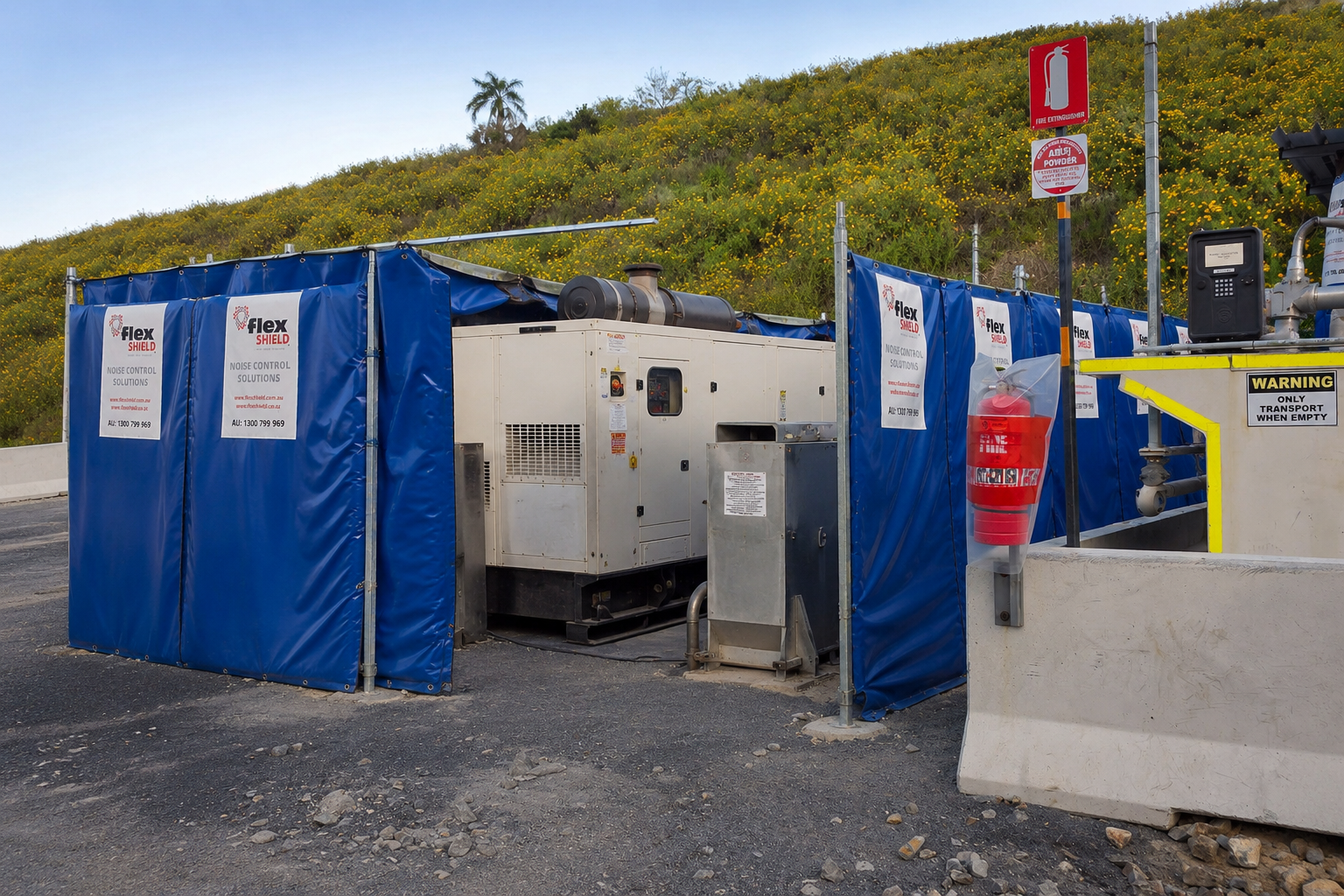
Shutting down operations isn’t realistic, but leaving areas open isn’t safe. The answer is adaptable screening that works with the space, not against it. Again, the challenge isn’t the task itself; it’s how quickly a site can adapt without disrupting everything else.
Local conditions make a difference. Where and how systems are built matters. Australian sites demand durability – heat, dust, heavy use and strict safety expectations are part of daily operation. Products designed without that context often fall short.
That’s why local manufacturing and engineering matter. Not as a sales pitch, but as a practical advantage. You get better control, faster response and more predictable outcomes.
Control, not just compliance
There’s a turning point here. The old approach was to wait for a noise complaint or for risk to become visible, then address noise or screening. Now, more sites are moving early, not because they have to, but because they know what happens when they don’t.
When these elements are considered from the start:
- Noise paths are identified before installation
- Airflow and acoustic performance are balanced together
- Zones are defined before risk escalates
- Systems are integrated, not just added on
The result isn’t just compliance; it’s control.
The unseen benefits of improved industrial noise control
This is where the real change happens. A site that manages noise well feels different. A workshop with clear zones works differently. A plant layout that considers airflow and breakout performs better. Communication improves, interruptions reduce and confidence grows. It’s visible, not just in reports, but in how the space works day to day.
One decision shapes many outcomes. Whether it’s HVAC systems on a commercial build, cooling infrastructure in a data centre, battery handling zones in a workshop, or acoustic systems in a manufacturing facility, the principle is the same.
Plan early. Integrate properly. And build it right from the start. Because after installation, every adjustment is harder. Access is limited, costs rise, and options narrow.
Talk to Flexshield, Australia’s industrial noise control experts
Built right, stays right. At Flexshield Group we work across industrial environments with one focus: making sure the noise control solution performs where it matters.
Noise, airflow, screening and separation are not separate challenges, they are connected decisions. Handled late, they create pressure. Handled early, they create control. And control is what protects programme, compliance, reputation and day-to-day performance.
That means:
Not as standalone products, but as part of a complete, considered approach. That’s the Flexshield difference: not just solving a noise control problem, but making sure it never occurs.
We’ll make sure it’s built right from the start. Contact Flexshield on 1300 799 969 or get in touch online.
Proudly built by Flexshield Group
Designed to perform. Built to last.