
Call 1300 799 969 | Contact Us
Home » Trade training workshop refurbishments without major building works
A workshop can outgrow its layout before the building wears out. New equipment arrives. Courses change. Student numbers increase. A fabrication bay that once sat comfortably away from other activities can end up beside a teaching area, while an open workshop that worked ten years ago may no longer suit current supervision, extraction or noise-control requirements.
The obvious response can be to start thinking about new rooms, structural walls, or a major building project. Yet that’s not always necessary. Existing secondary school, TAFE and vocational training workshops can often be improved through targeted changes around the activities creating the problem.
The starting point is to identify what genuinely needs to change before redesigning parts of the facility that are already doing their job.
Before changing the workshop, define what is making the current arrangement difficult to use.
This matters because a contained problem does not necessarily require a building-wide response. If one machine is driving noise exposure, treating that machine may be more practical than rebuilding the surrounding room. If two activities need better separation, a purpose-built partition may achieve the required zoning without constructing another classroom.
A focused assessment helps keep the refurbishment tied to the way the workshop operates.
Existing columns, services, extraction, access routes, teaching positions, and equipment locations can represent a substantial investment. A trade training workshop refurbishment should make use of them where they still support the training program.
Moving one element can have consequences elsewhere. Relocating welding bays may affect extraction. A new fixed wall can change emergency access or instructor sightlines. Moving machinery can require electrical, compressed-air or other service changes.
Mapping the useful parts of the existing facility first makes it easier to concentrate work on the areas creating the problem.
Welding areas are a common starting point for trade training workshop refurbishments, because they present a combination of noise, welding arc protection, extraction, supervision, and heavy day-to-day use.
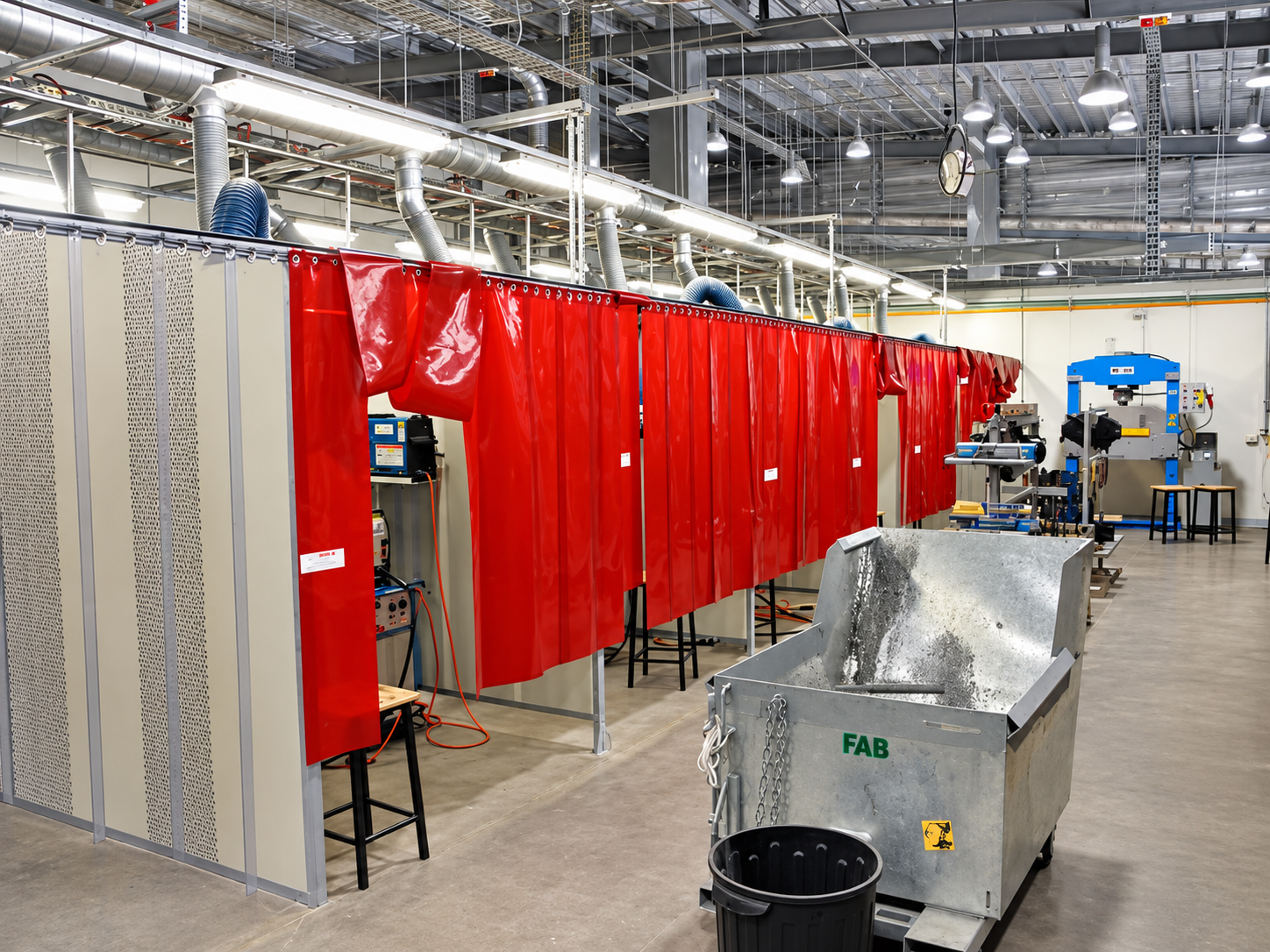
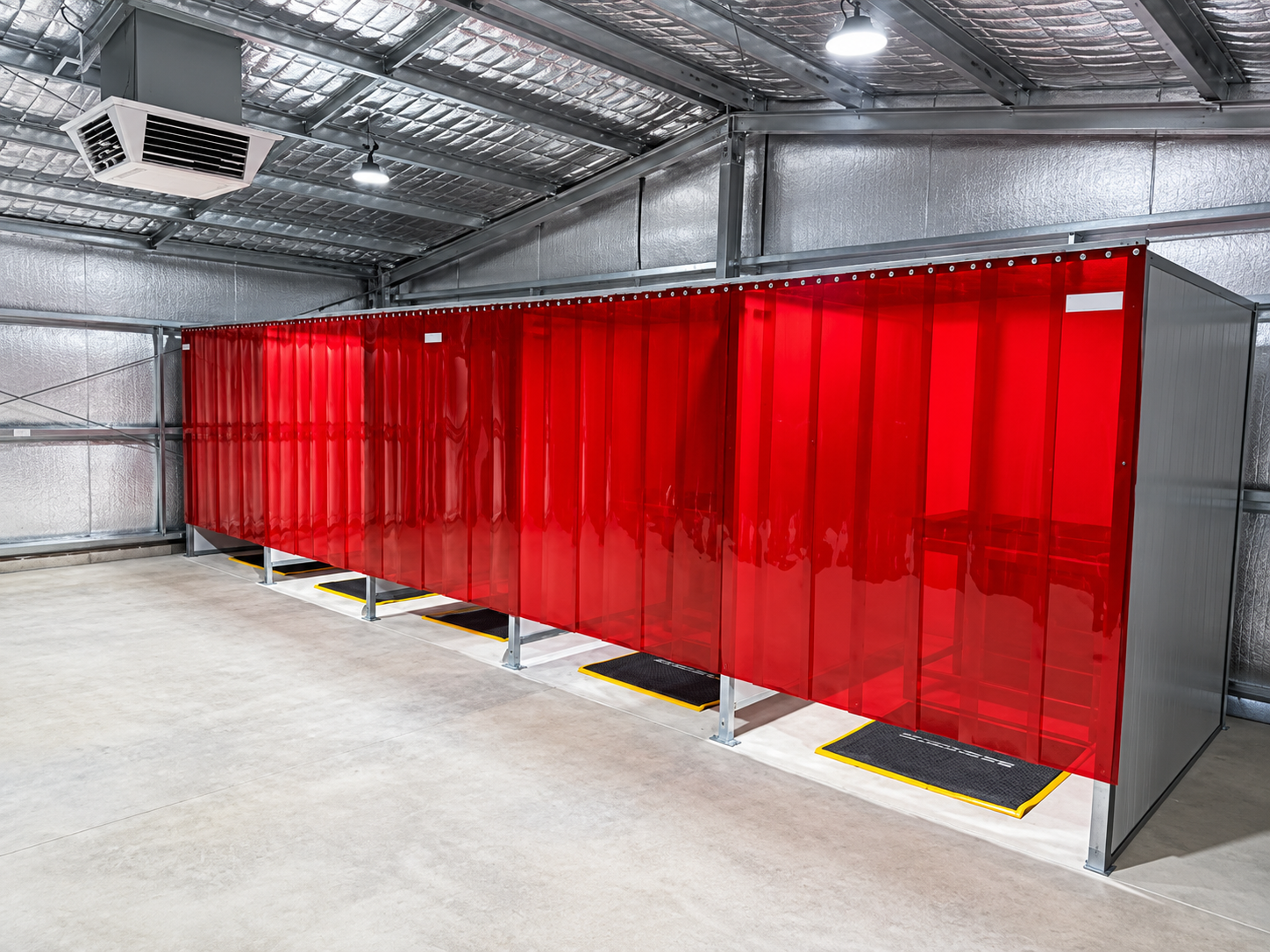
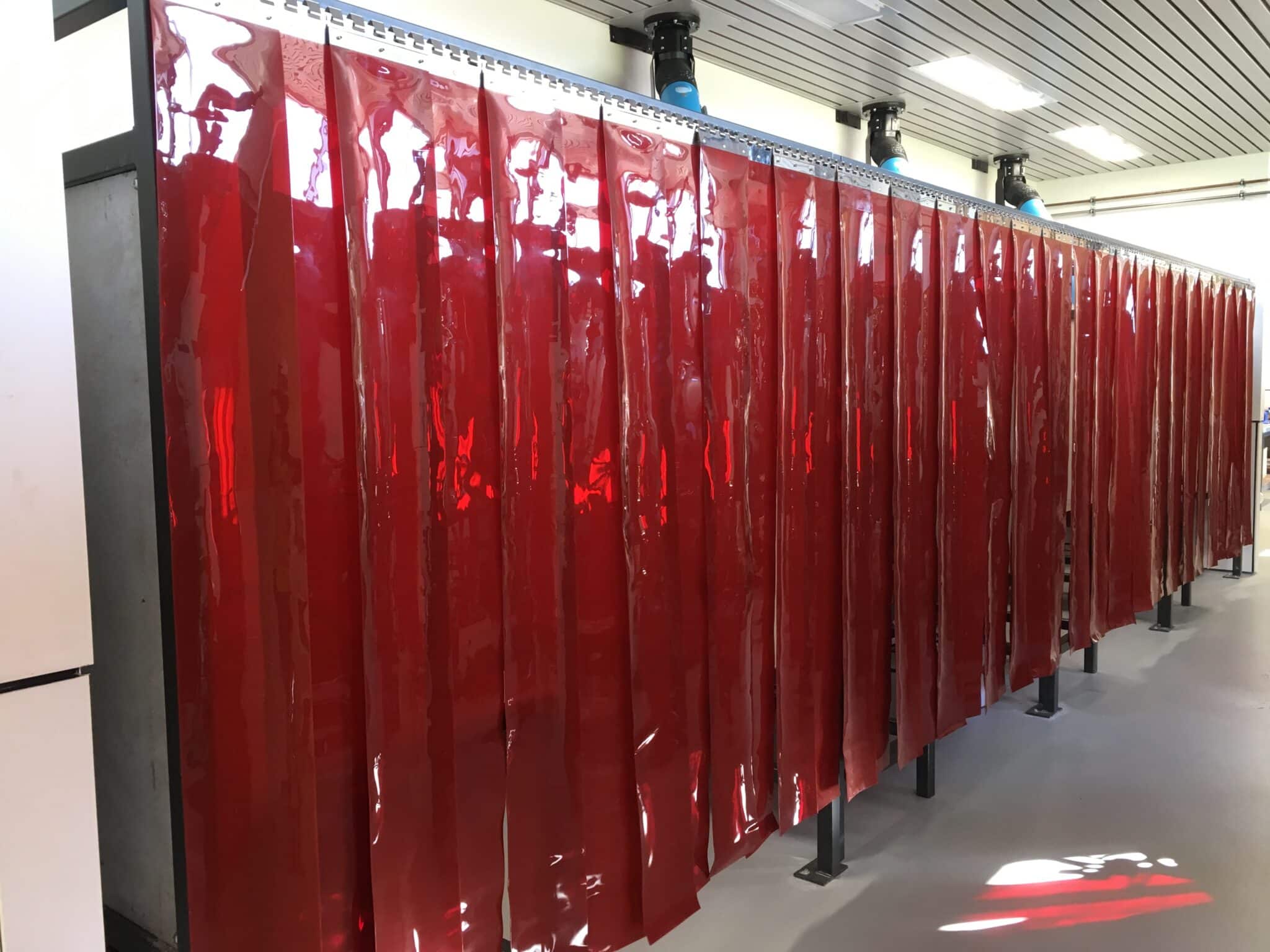
Flexshield acoustic welding bays use Sonic System acoustic modular panels with Weldflex™ welding curtains. They can be configured around the available floor area, meaning that existing workshops can be divided into individual student bays, teacher demonstration bays, or larger practical zones without relying on conventional masonry construction.
The modular approach is particularly useful where the existing building shell is sound but the internal workshop arrangement no longer meets the training program. Bay dimensions, openings, curtain arrangements and associated workshop equipment can be developed around the available space rather than forcing the building to suit a standard bay size.
Flexshield has completed trade training workshop refurbishments where existing facilities were upgraded rather than approached as completely new buildings.
At Ashmore TAFE on the Gold Coast, the workshop needed a new welding bay fitout to bring the training area up to current requirements. Flexshield supplied a customised arrangement for the facility.
At Bundamba TAFE in Queensland, a large existing shed was converted into a functioning trade training centre.
Flexshield coordinating with QBuild and other project teams during the redevelopment which included 28 acoustic welding bays and two teacher demonstration bays.
These projects show why refurbishment planning needs to account for the building, teaching requirements and other trades at the same time. The bay itself is only one part of the finished workshop.
Sometimes the workshop layout is not the main issue. One compressor, saw, press, grinder or other item of equipment may contribute disproportionately to noise exposure.
In that situation, controlling the machine close to the source can avoid broader construction. An acoustic enclosure can be configured around equipment while accounting for operator access, maintenance, visibility, ventilation and material movement.
This approach is useful when most of the existing workshop works well. Rather than rebuilding the room around one noisy process, the refurbishment concentrates on the process creating the problem.
Equipment should not simply be boxed in. Heat loads, airflow, extraction and servicing requirements need to be considered before an enclosure is specified.
Trade training workshops have a requirement that is easy to miss when applying conventional industrial layouts: teachers and trainers need to supervise students!
A solid partition may separate two activities but also remove line of sight across the workshop. Where a rigid acoustic partition is needed, vision panels and opening positions can be considered as part of the design. Where physical separation is the main requirement, clear SonicClear PVC screening can retain visibility between work zones.
The right choice depends on what the boundary needs to do. A high-noise activity may justify a rigid acoustic construction. A lower-noise area that needs separation, visibility and frequent access may be better suited to screening. The teaching model should influence that decision.
Existing workshops come with constraints that new buildings do not. Extraction ducts may cross a proposed partition line. Electrical services may already be mounted to walls. Roller doors, fire exits, and pedestrian routes need to remain usable.
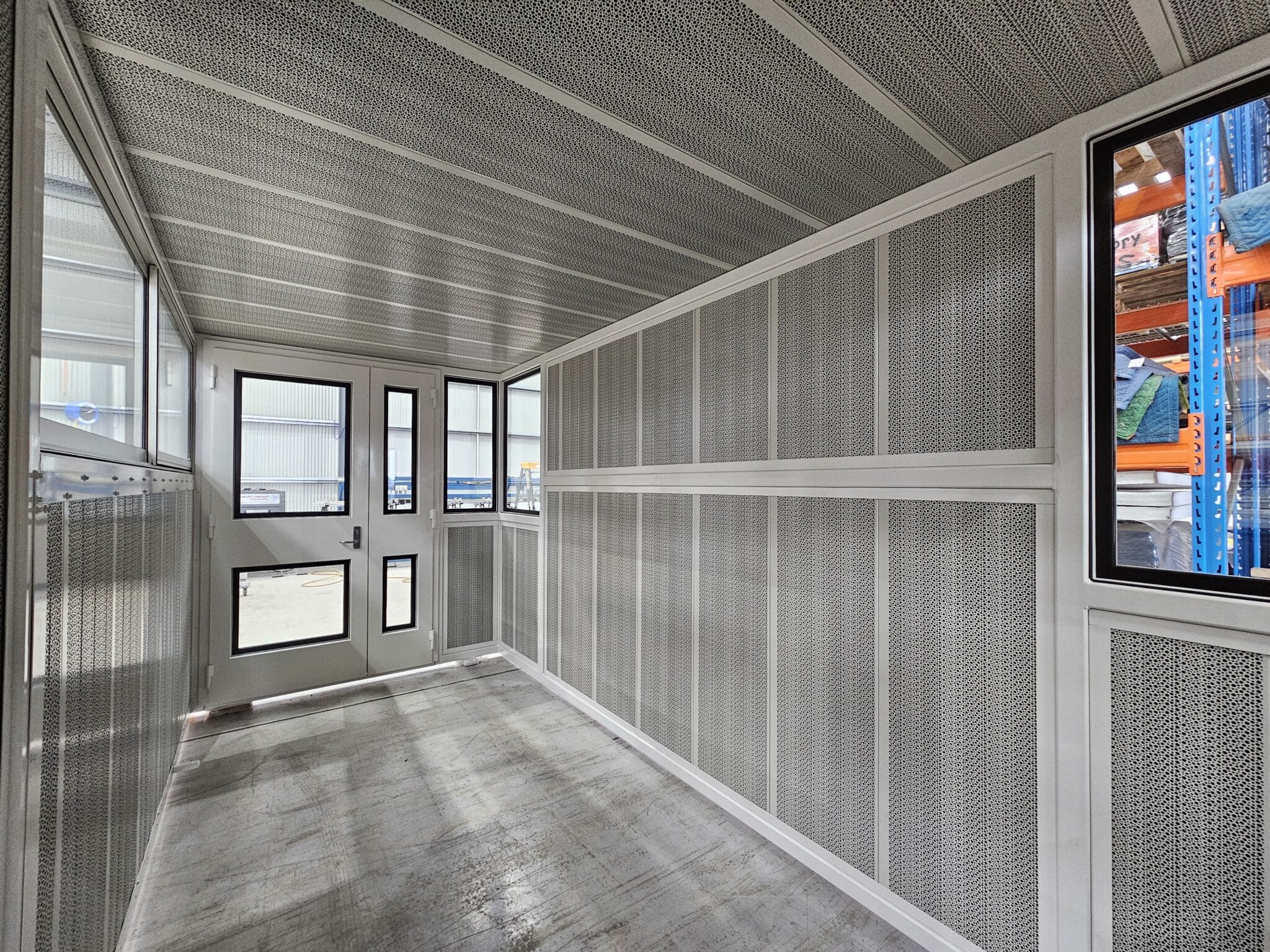
Modular panels and associated components can be configured around many of these conditions. Where ventilation needs to pass through an acoustic boundary, Sonic Series acoustic louvres or suitable attenuation may be considered. Where personnel access is required through an acoustic partition, Sonic Access acoustic doors can maintain access while supporting the surrounding acoustic construction.
Penetrations still need careful detailing. Gaps around ducts, cables and services can weaken the performance of an otherwise well-planned barrier.
Trade training requirements continue to change as qualifications, equipment and teaching methods evolve. A refurbishment designed around one completely fixed layout can become restrictive when the next machine or course arrives.
Modular construction can provide scope for future alterations in suitable applications. Panel layouts may be extended or reconfigured, subject to the original design and the condition of the components. Curtains and screening arrangements can also be changed where access or zoning requirements evolve.
That does not mean every part of a workshop should move. Permanent construction still makes sense where an area has a stable long-term purpose. The useful distinction is between parts of the facility that benefit from adaptability and those that do not.
One of the practical challenges in an education refurbishment is finding the time to carry out the work. Workshops can be heavily booked during term, while semester and holiday breaks create narrower installation windows.
Planning and off-site manufacture can help make better use of those periods. Site measurements and design work can be completed before the shutdown, allowing Australian-manufactured components to be prepared before installation begins.
For larger refurbishments, a staged approach may also be possible. One workshop zone can be addressed first, followed by other areas as access and budgets permit. The sequence should be agreed with the education provider so that completed work does not interfere with the next stage.
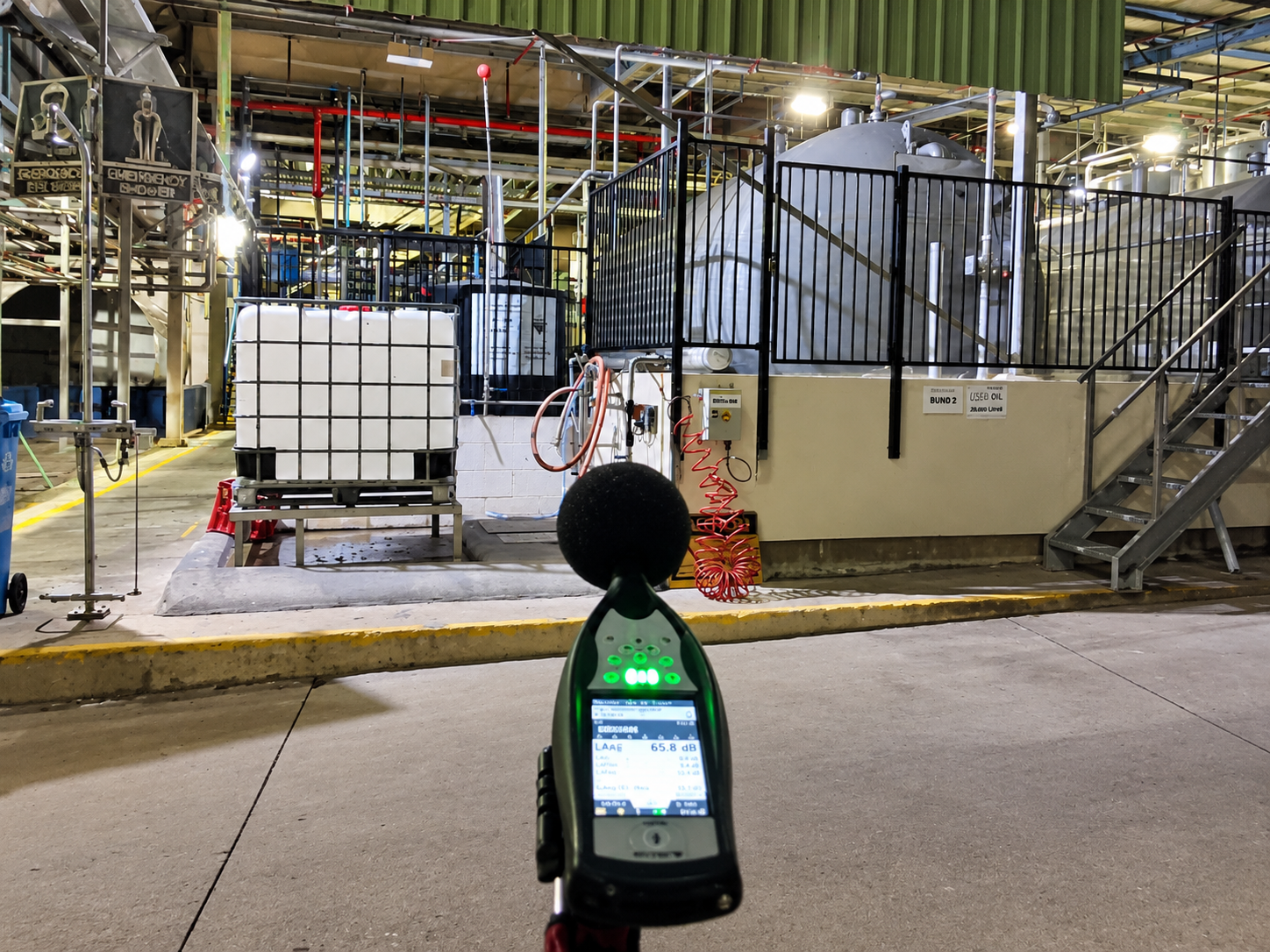
Where noise is driving the trade training workshop refurbishment, measurements should inform the design. An assessment can identify dominant sources, student and teacher positions and the routes noise takes through the workshop. That information helps determine whether the facility needs treatment around a machine, acoustic welding bays, a partition between activities or several measures working together.
Flexshield Group supports key acoustic products with independent testing through NATA-accredited laboratories. Test data provides useful specification evidence, while the workshop assessment establishes how the products need to be applied in the actual facility.
Existing trade training facilities can often support new teaching requirements without substantial structural work. The better question is what needs to change inside the space.
Targeted acoustic welding bays, modular partitions, machine enclosures, acoustic doors, louvres and PVC screening can all play different roles in a refurbishment. Selecting among them should start with the activity, supervision requirements, access, existing services and the parts of the workshop worth retaining.
Flexshield Group designs and manufactures products for secondary schools, TAFEs and vocational training facilities across Australia. With more than 25 years of manufacturing experience, Australian-manufactured products and NATA-accredited testing supporting key acoustic ranges, Flexshield can help project teams assess an existing workshop and develop upgrades around the facility already in place.
We’ll make sure it’s built right from the start. Contact Flexshield on 1300 799 969 or get in touch online.
Proudly built by Flexshield Group
Designed to perform. Built to last.